Office Issue 09 Release Party

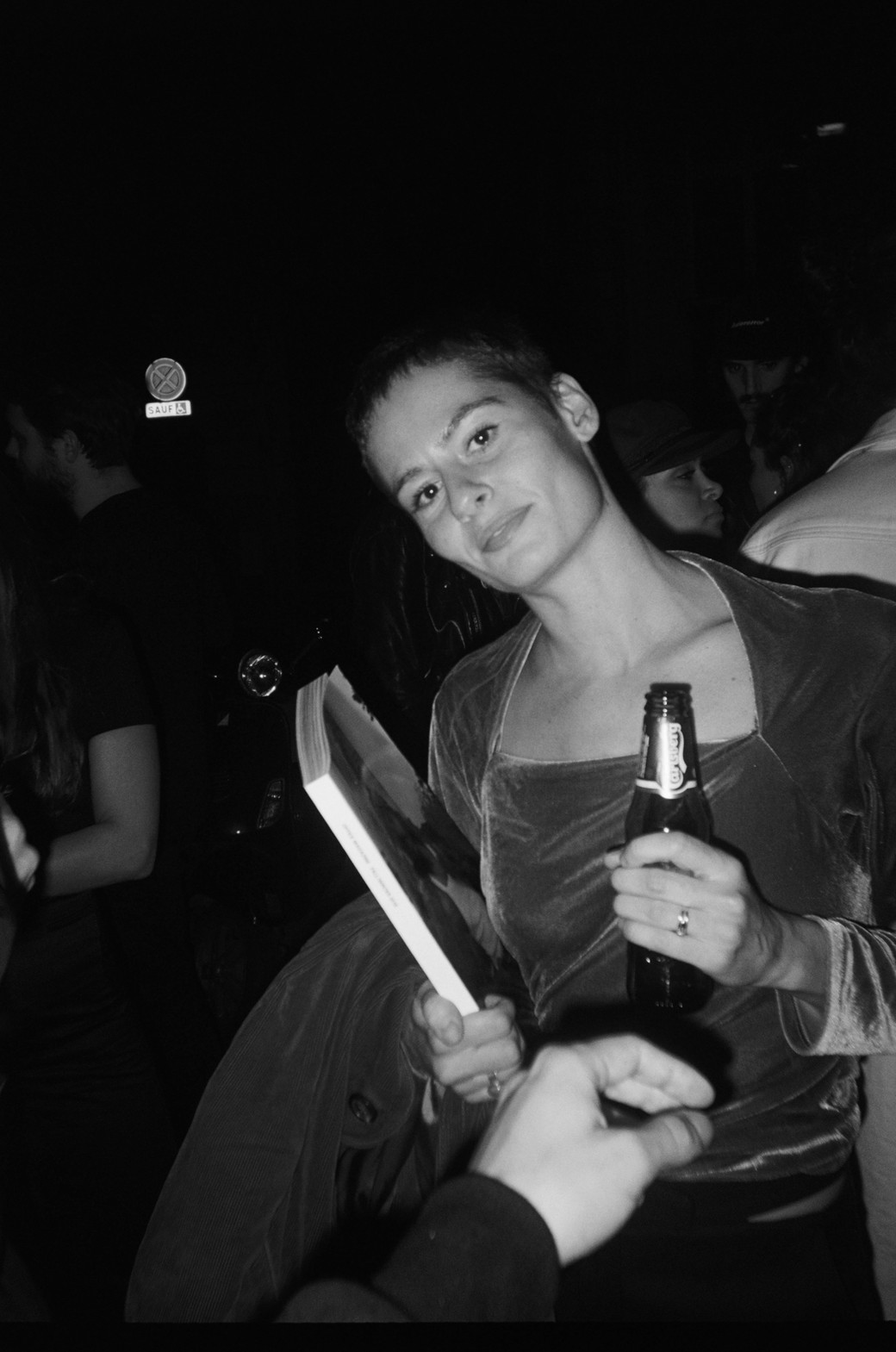
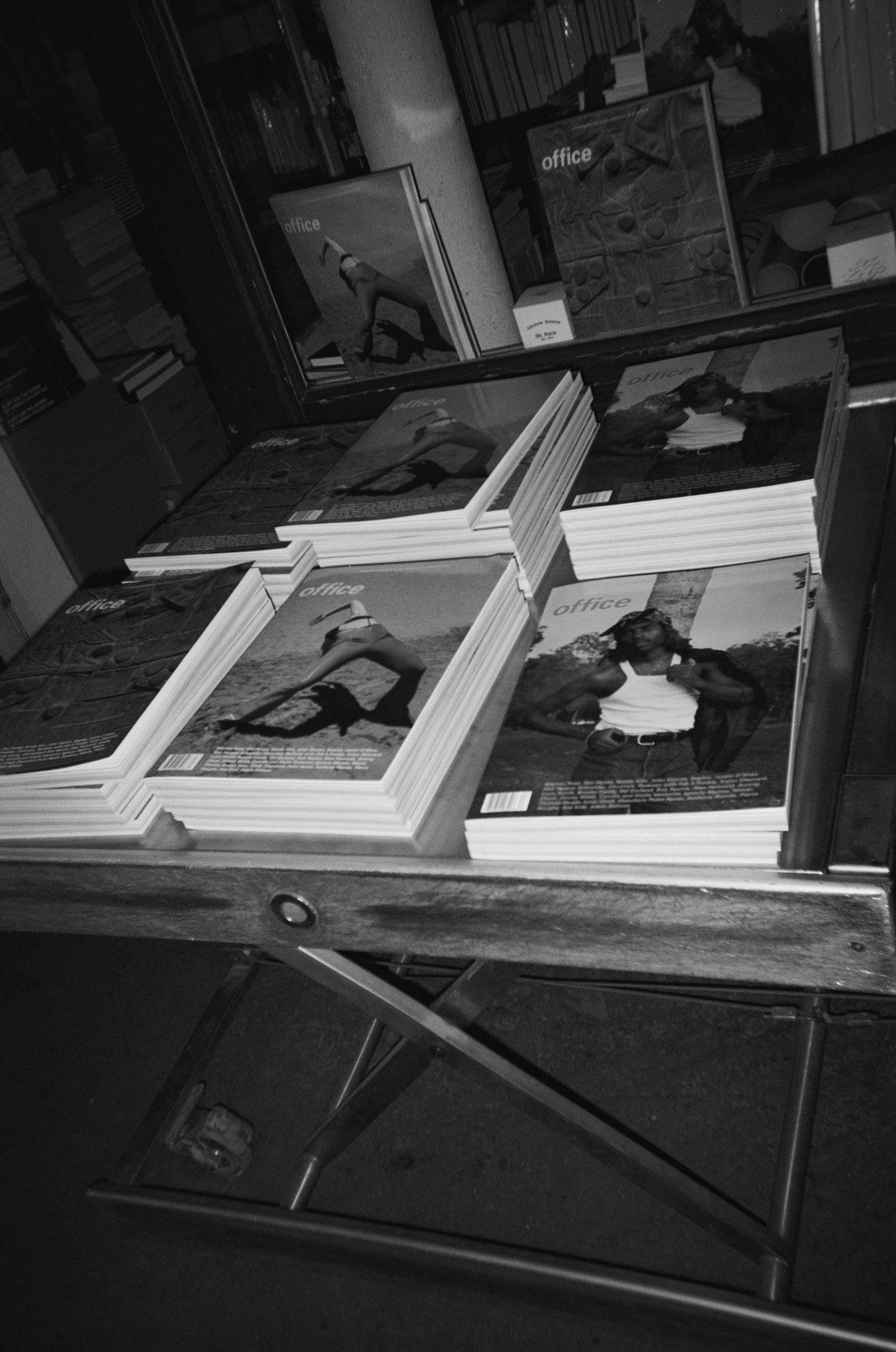
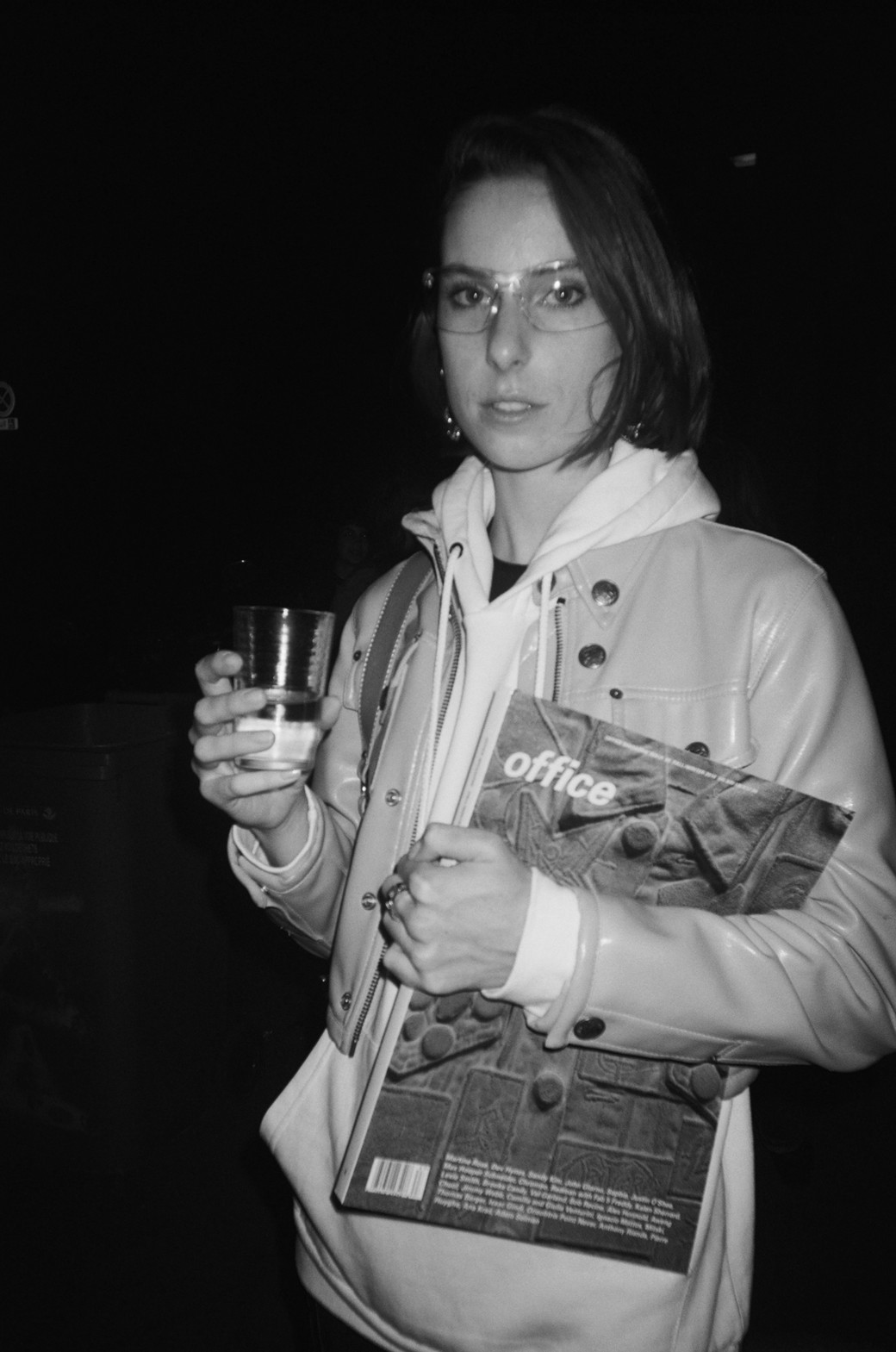
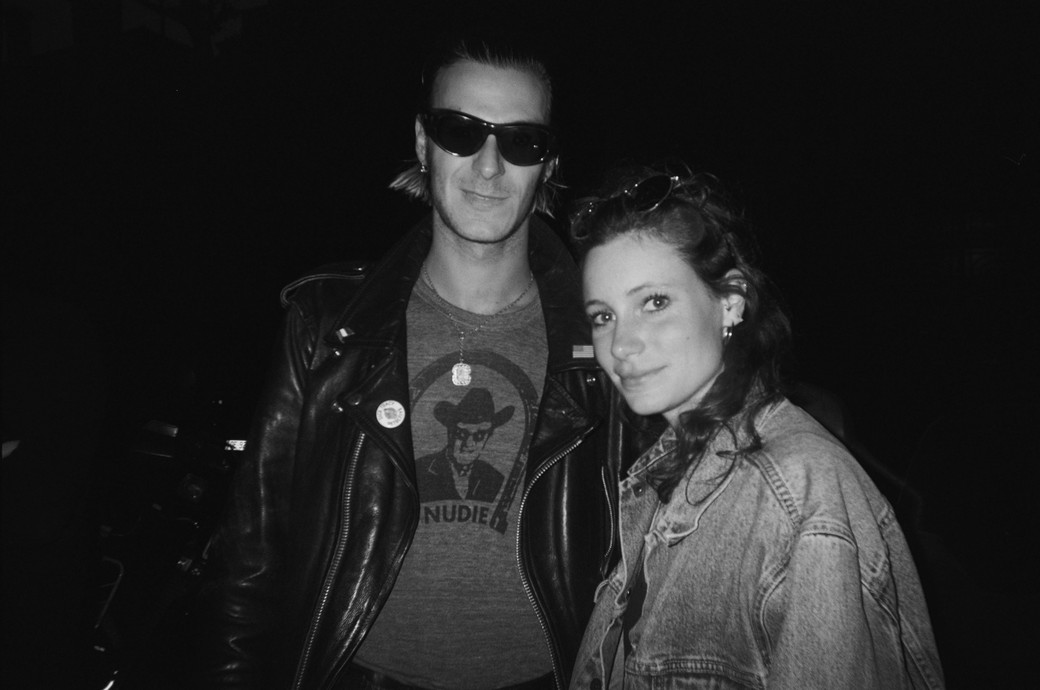
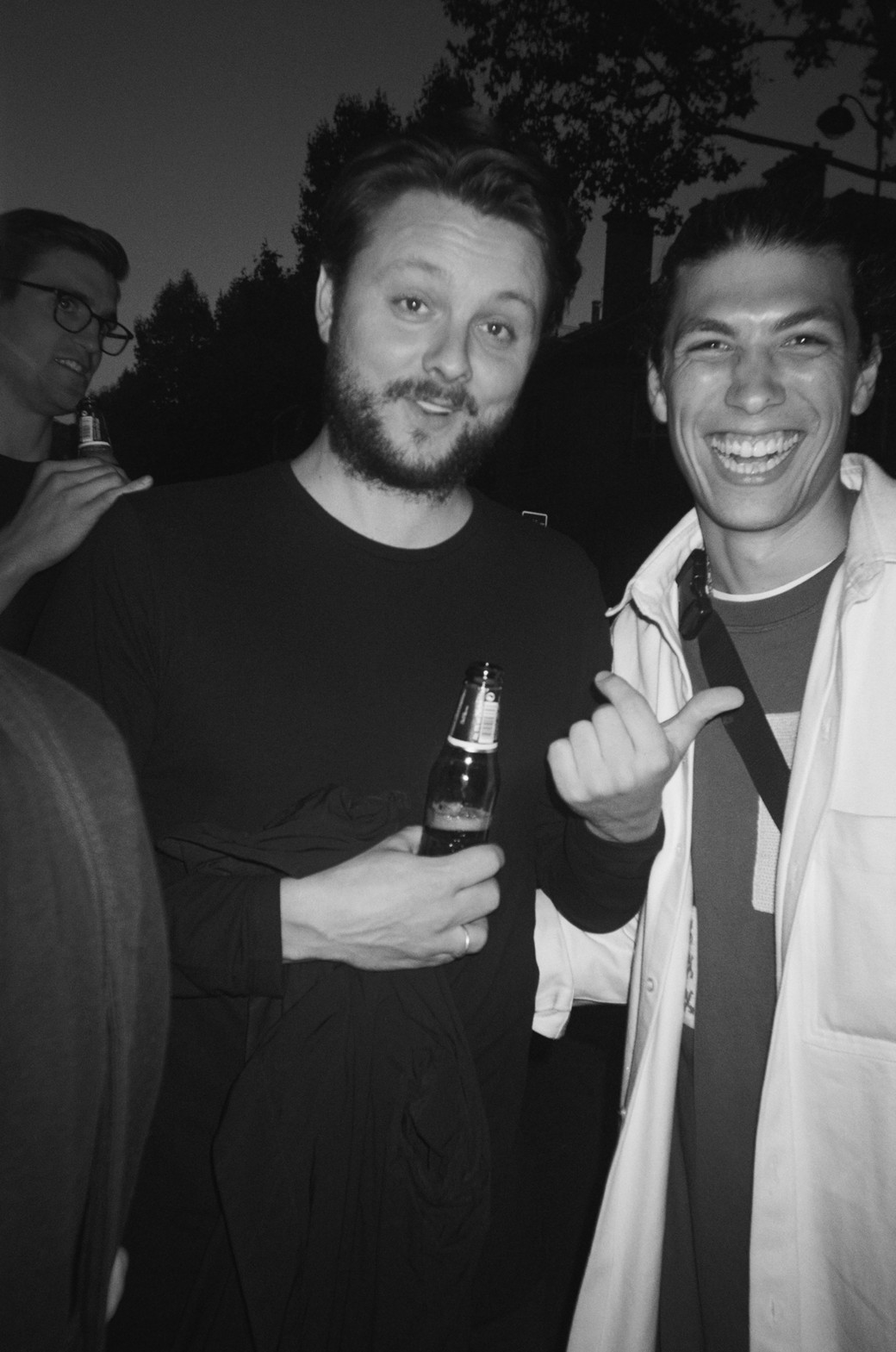
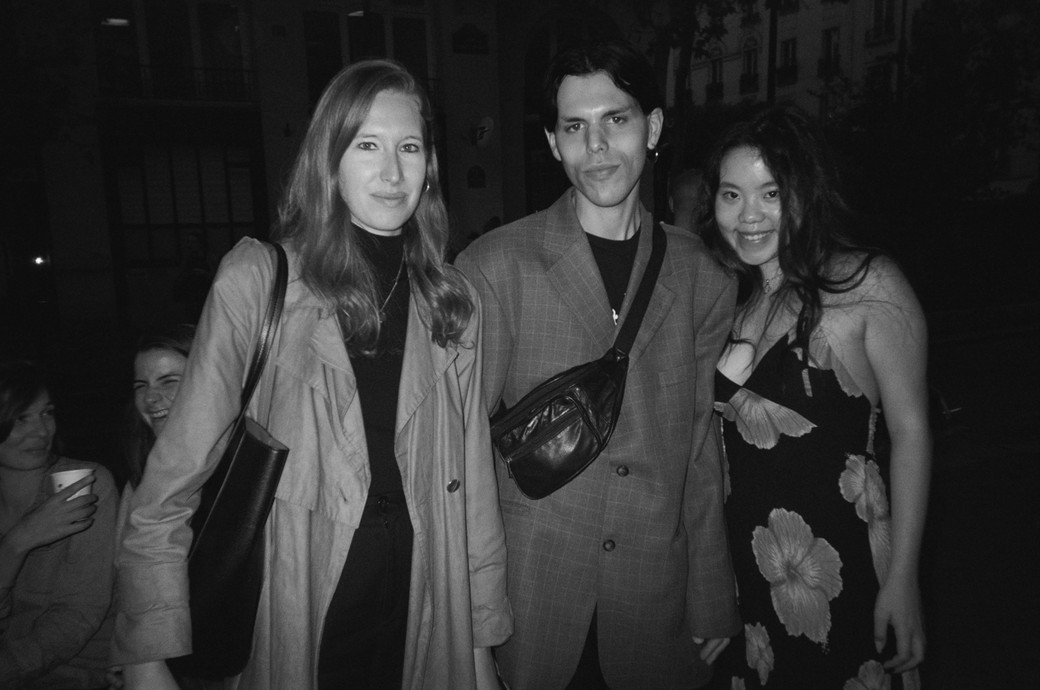
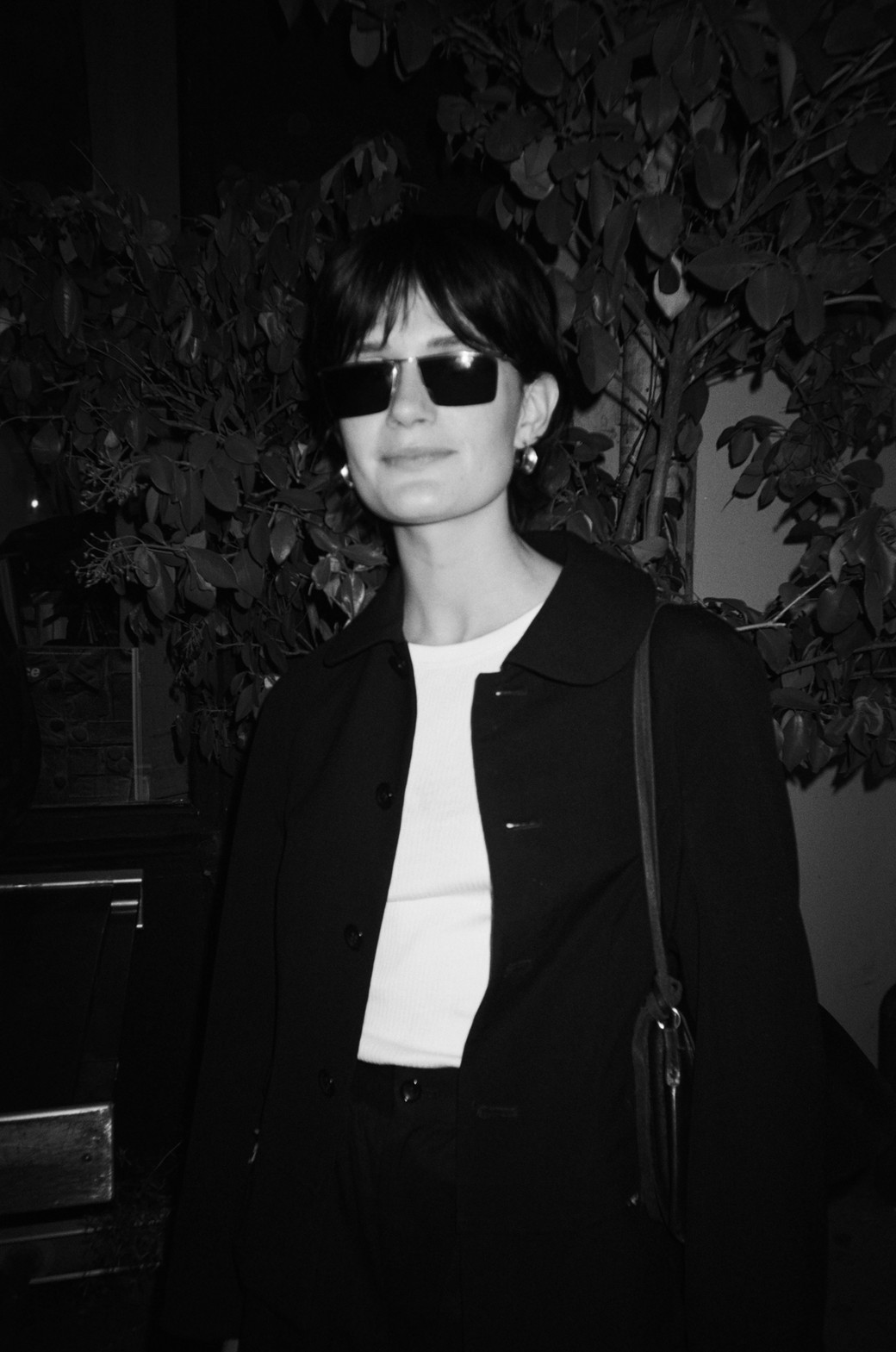
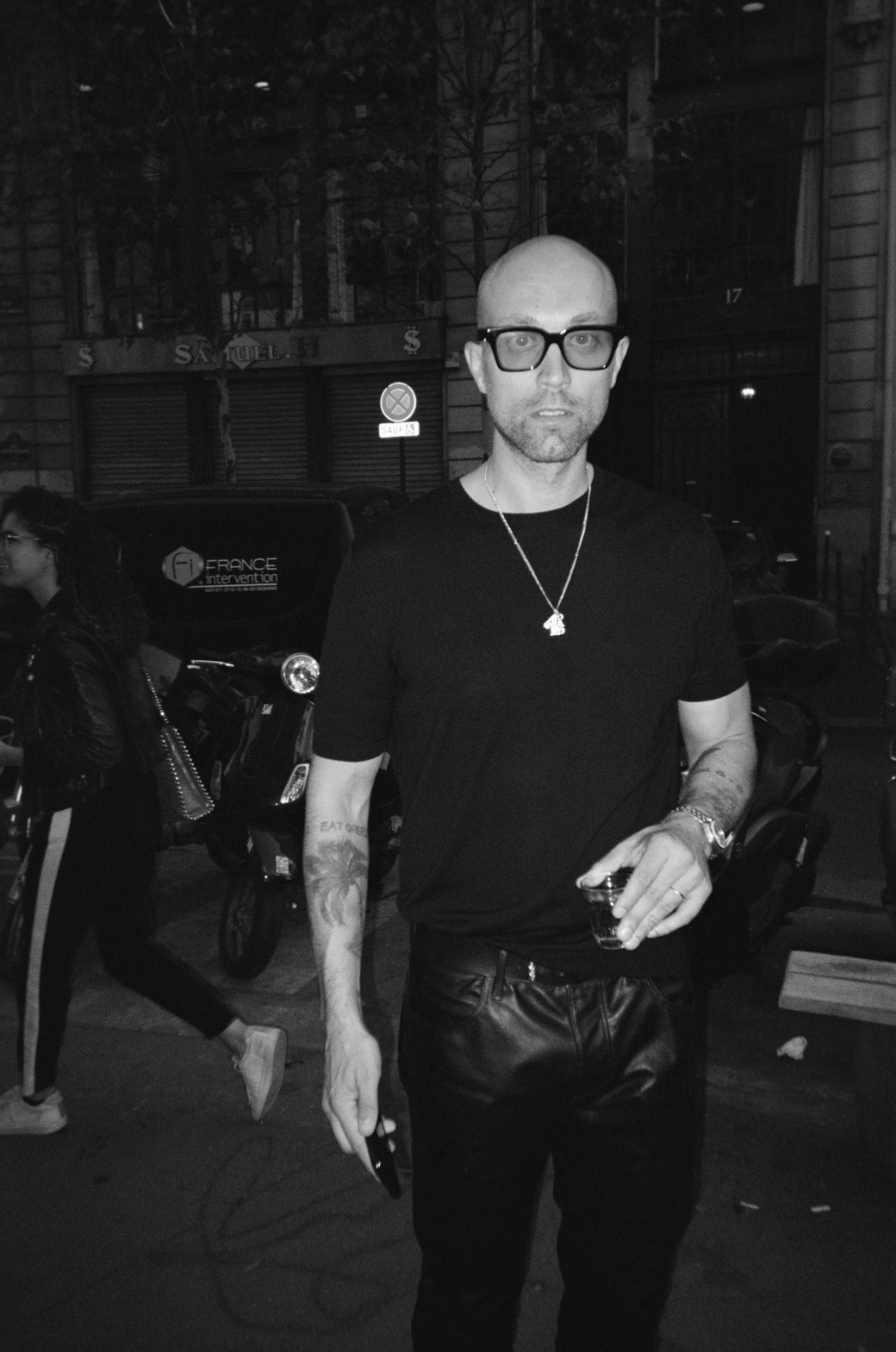
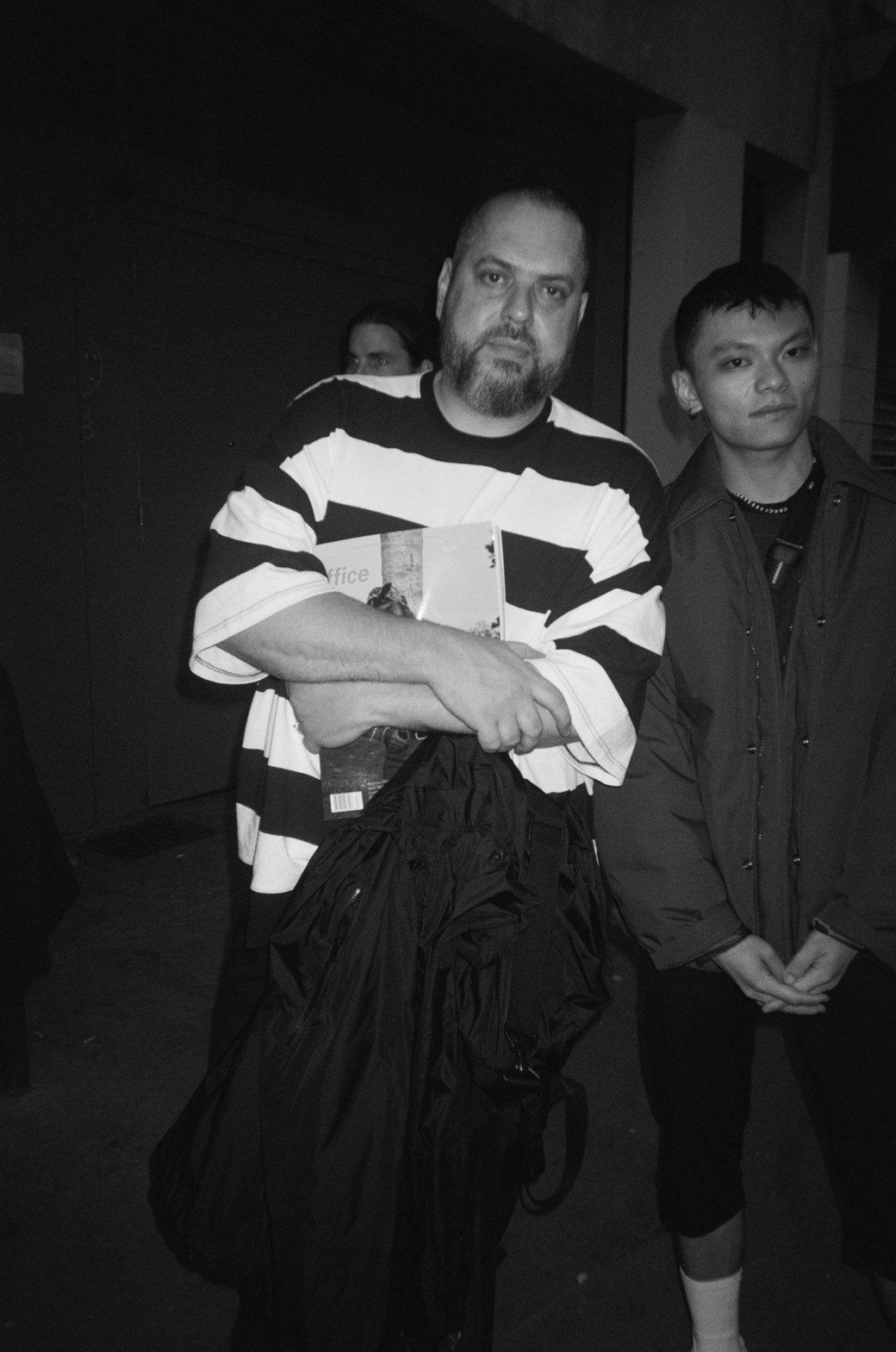
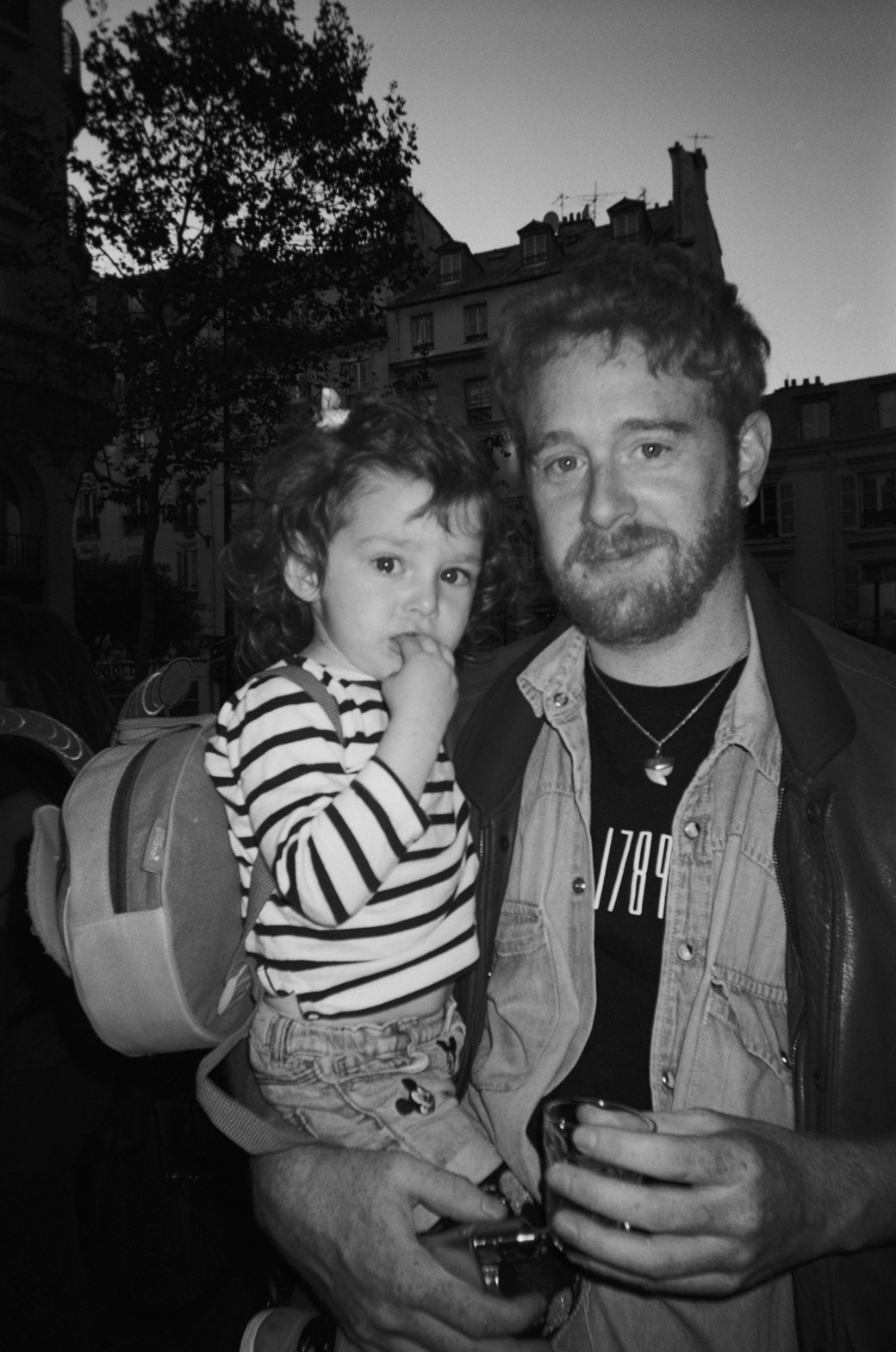
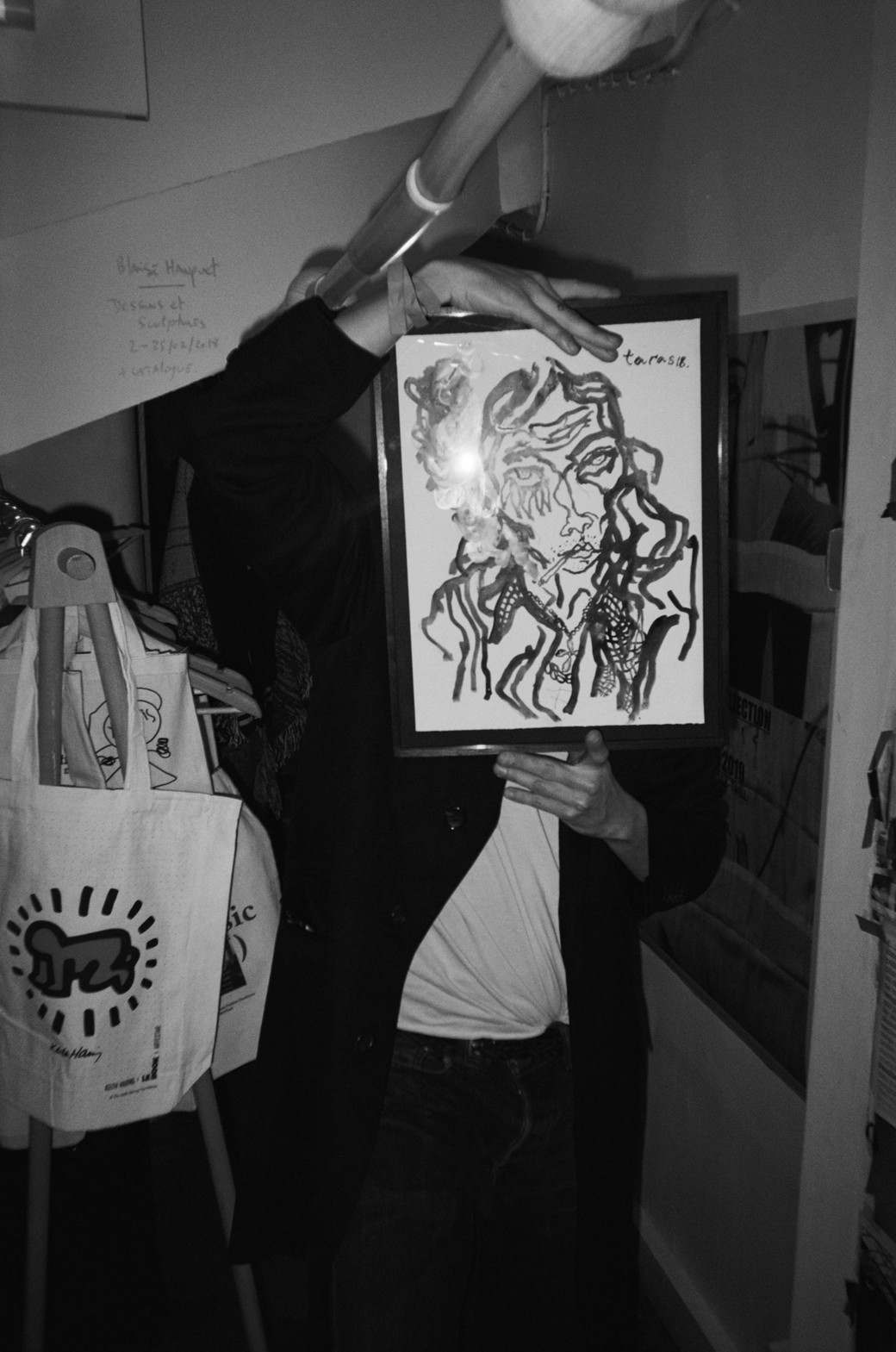
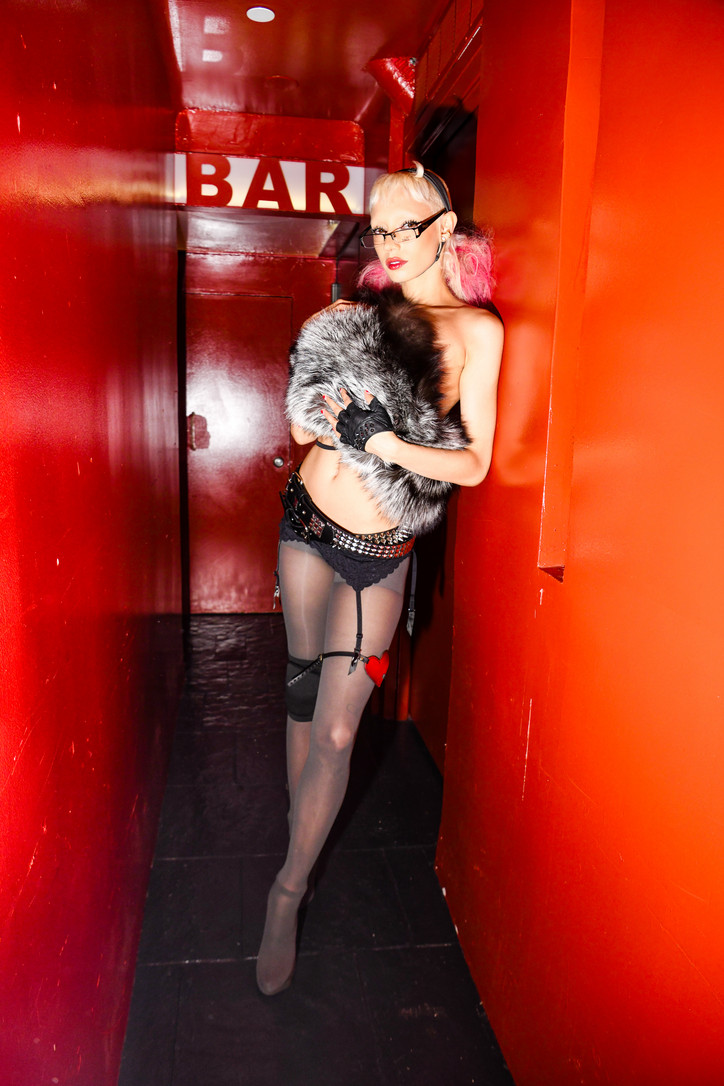
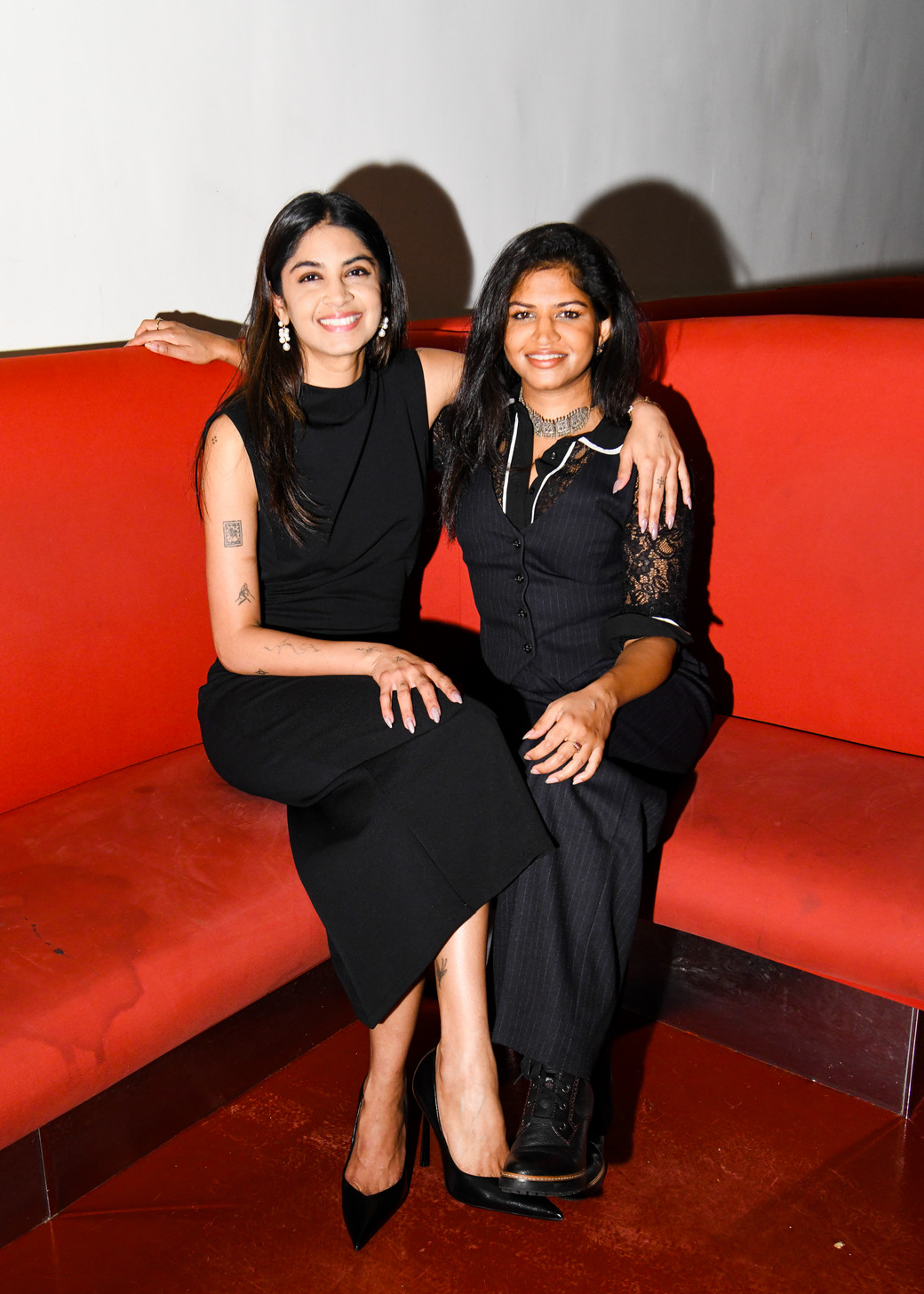
The last time I’d been to this Lower East Side restaurant, which turned from one hot spot to another, I was sitting across from my ex-girlfriend and her friend from college. Except, unbeknownst to me, the friend didn’t know I was her girlfriend, and even more than that, my girlfriend didn’t tell me that ahead of time.
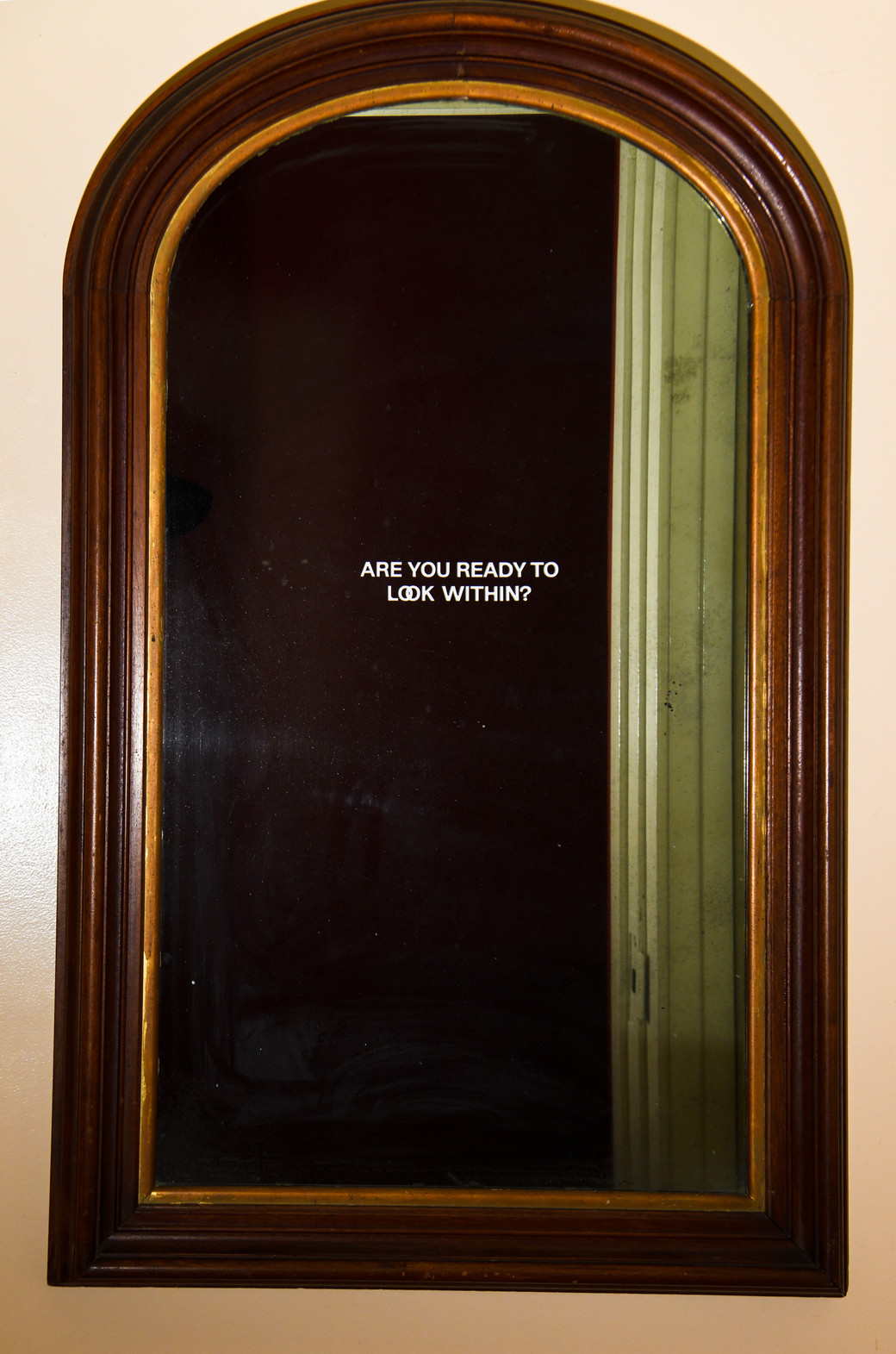
I couldn’t help but pick at my plate, nauseated and barely putting two words together, for the entirety of the four-hour affair. There is nothing quite like the feeling of being consumed by the thought that you are, in fact, a secret to be kept hidden. Sitting in the uncomfortable chair that I took to make everyone else more comfortable, I stared into the mirror that faced me and caught glimpses of my sour face. Now, in retrospect, I know that what I saw wasn’t just my distraught reflection, but a reflection of what I believed about intentional relationships, ethical non-monogamy, and my own desires.
To not put it simply, the way I live and breathe and work and fuck and love and write and admire is all in direct opposition to this. This secret-keeping, sad relationship with an avoidant could not have been more unlike me. As a friend said to me six months after we broke up, my life and way of being in relationships is, and has always been, the antithesis of this.
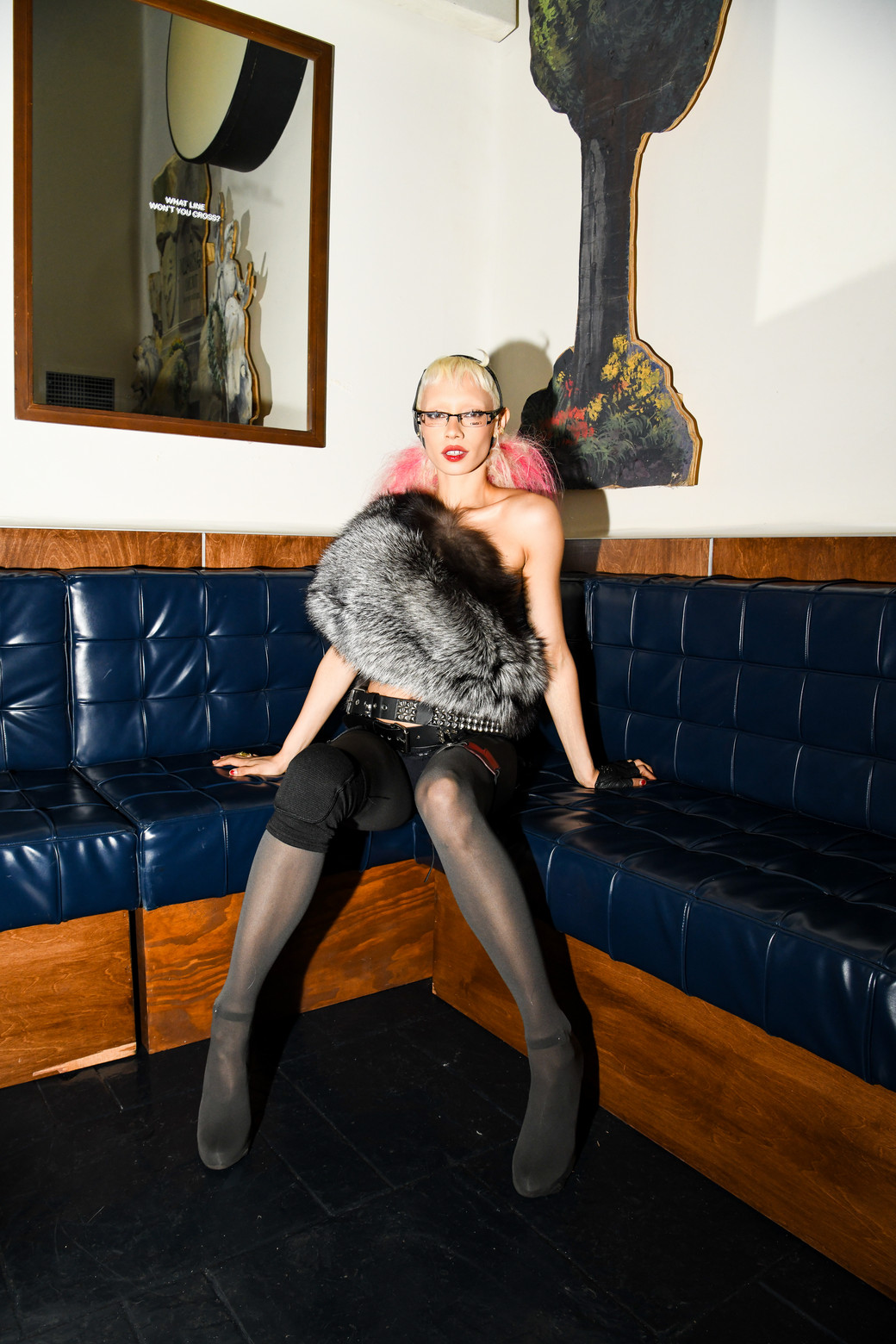
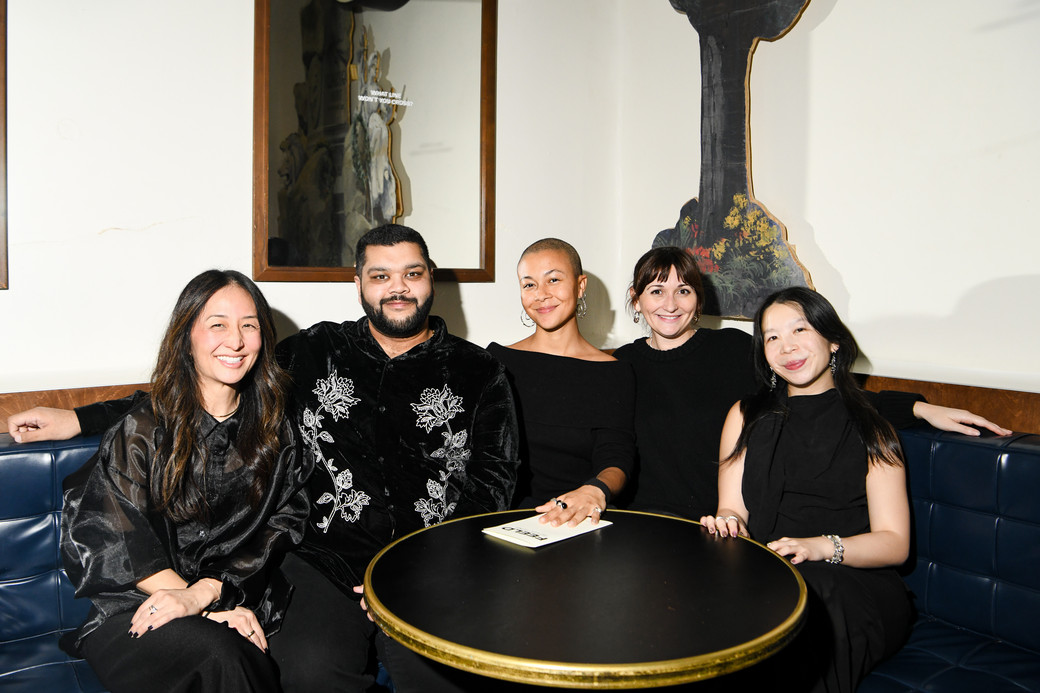
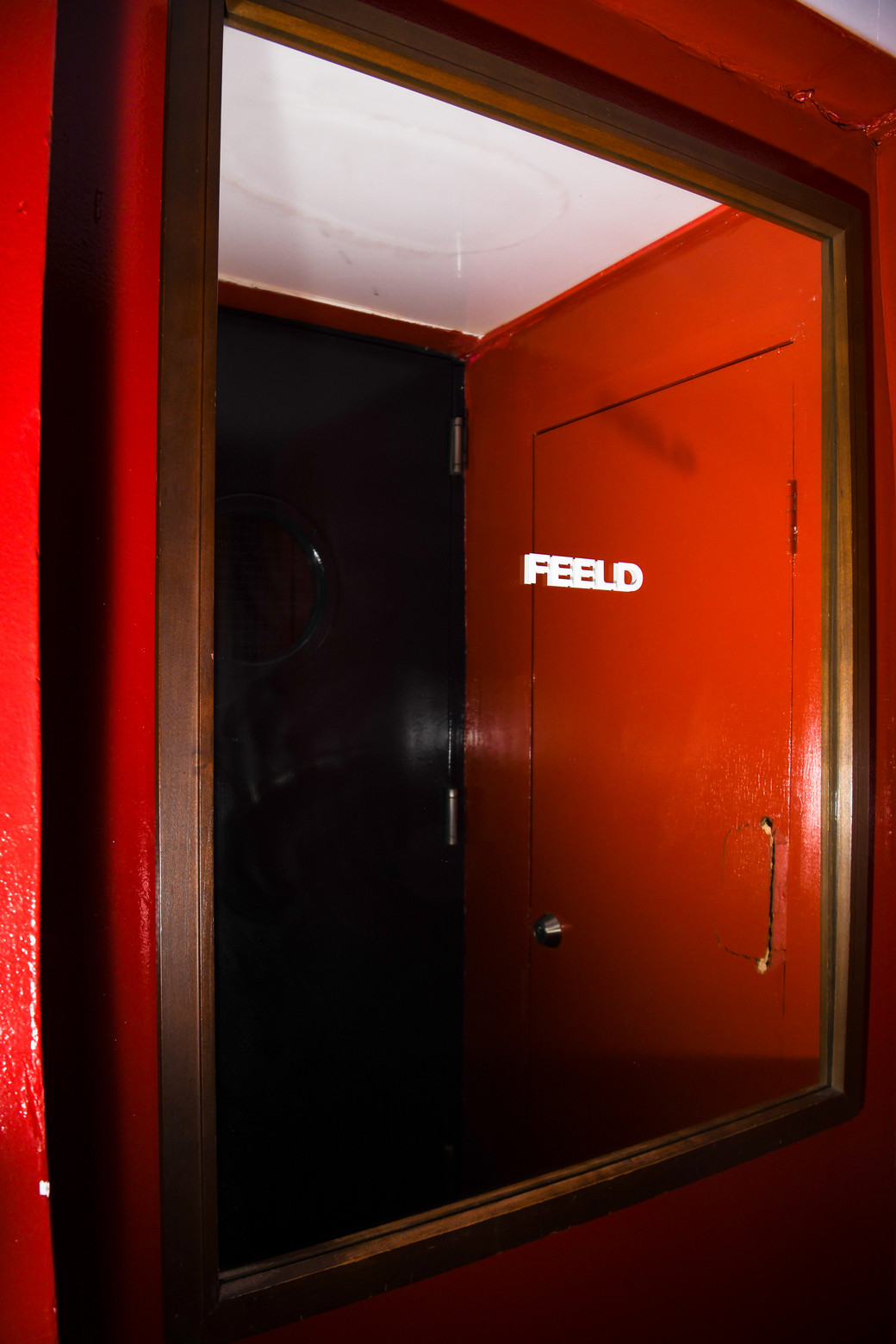
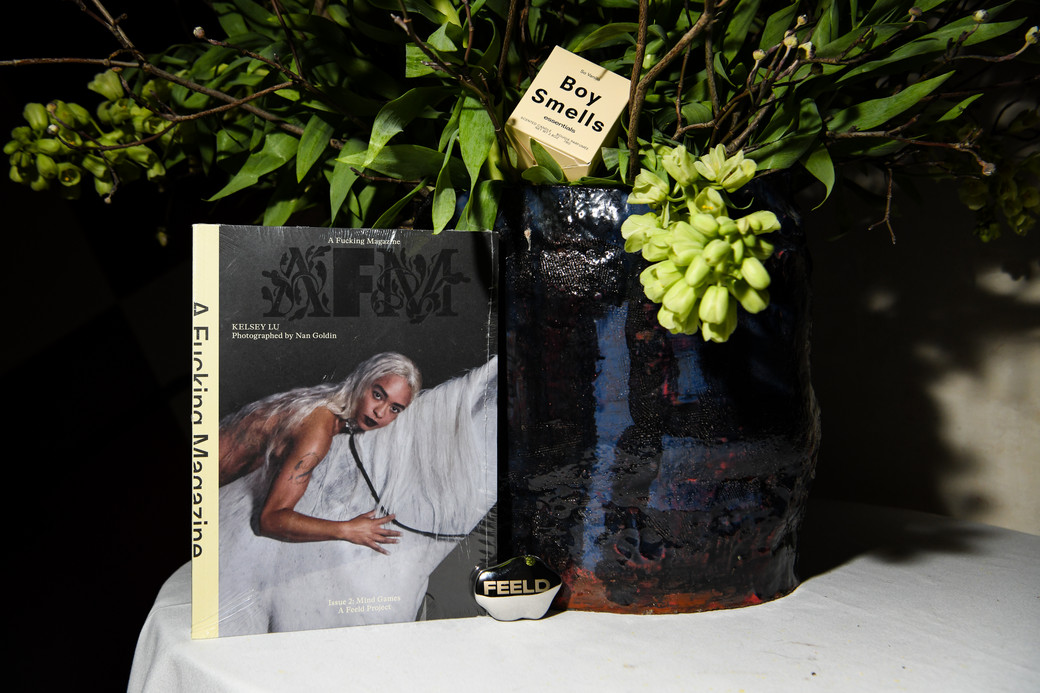
It’s been two years since then, and now, finding my way back to this very restaurant at the invitation of a dating app I use often, it seems apt that I’d be, once again, staring into my reflection. Enter: Feeld’s newest self-discovery tool, which, as you might guess, is called Reflections. Designed to help folks look within, the tool brings about thoughtful, provocative, and inspiring questions that aim to show your true desires, boundaries, or relationship preferences, whether that’s monogamy, non-monogamy, or something in between.
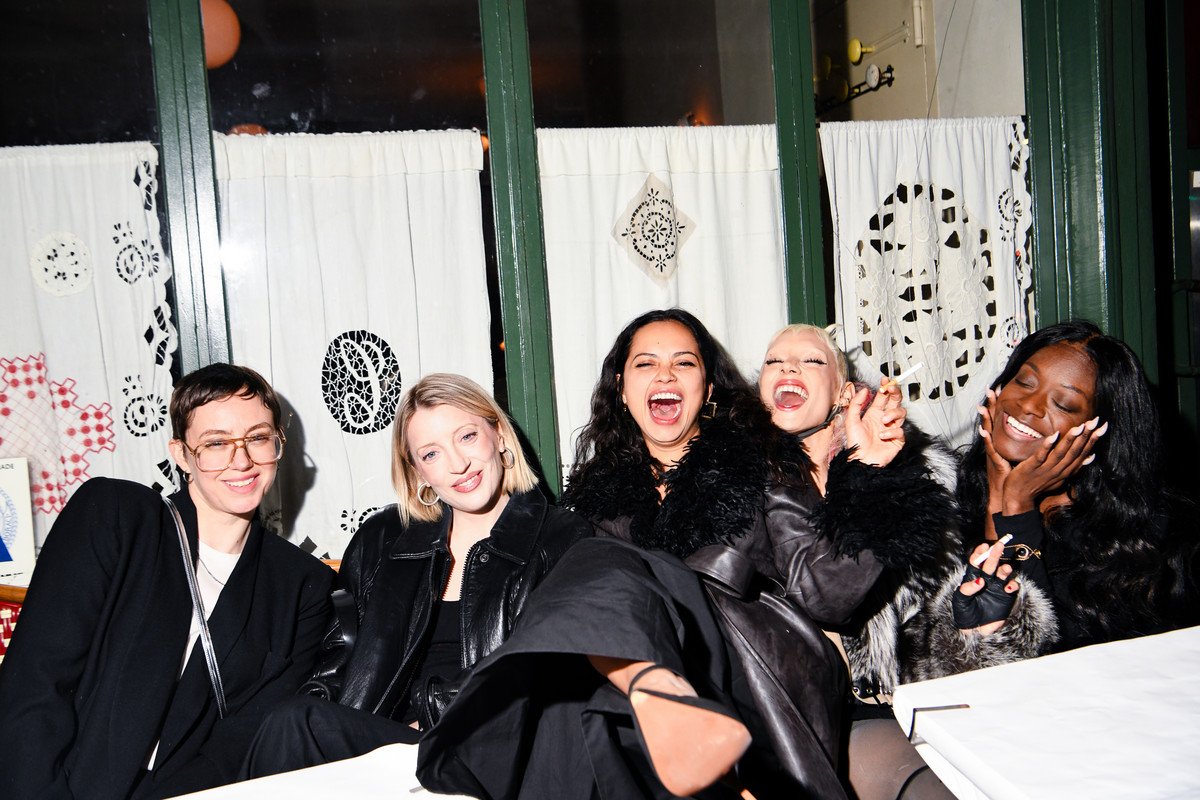
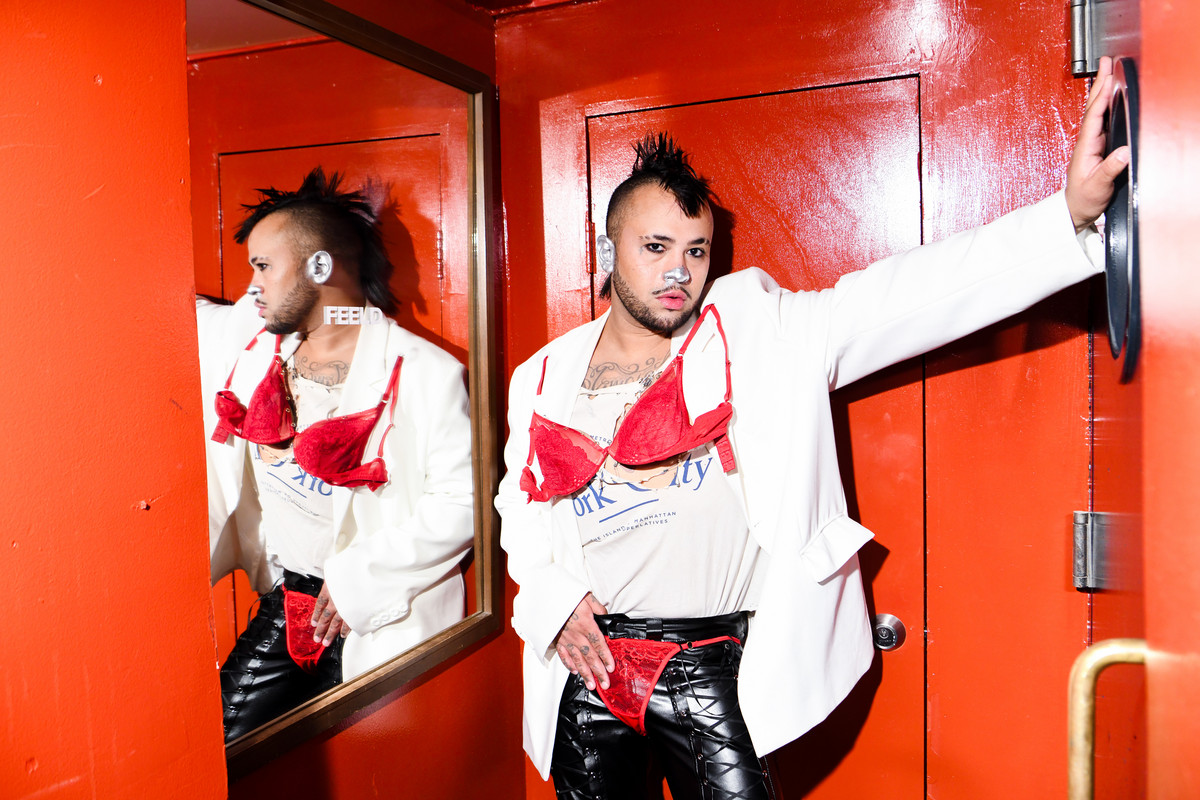
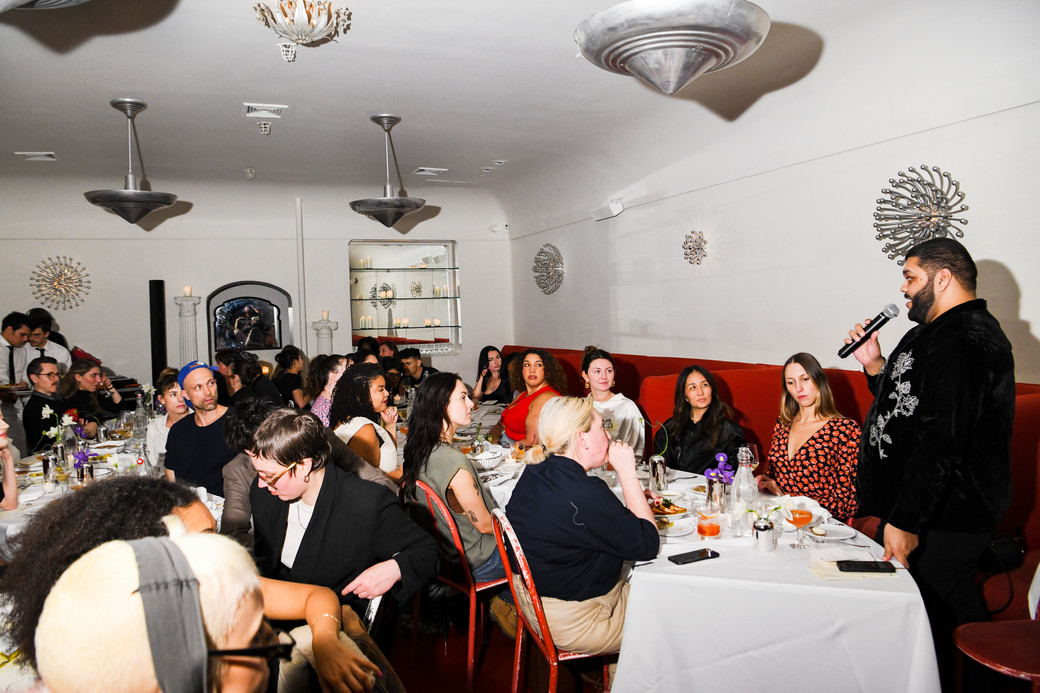
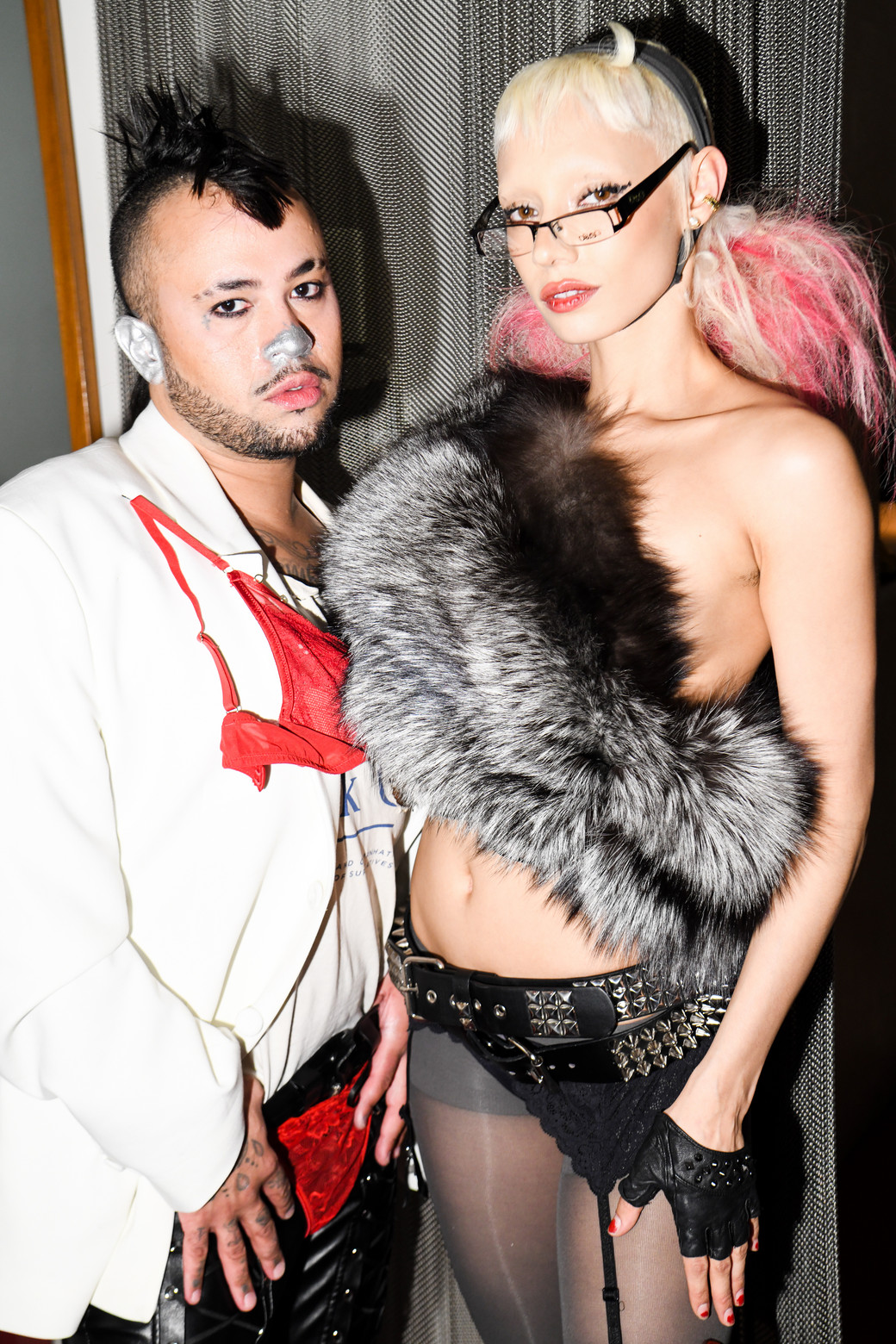
As someone who shares her life as a bisexual, polyamorous woman married to a man, I can say that I know myself pretty well. But that is certainly not the case for everyone. For some folks — even those among the moody, winding dinner tables of fresh faces, striking glitter eyes, bleached eyebrows, and sex appeal I found myself at — they don’t. Or, maybe they do, but they haven’t thought about it in a while. Or, more likely, they haven’t slowed down enough to look themselves in the face and practice the act of noticing. What’s happening in there? What do I actually want and need? Am I doing this for someone else? Do I actually want to peg someone or is this just a fantasy that can stay that way? Is this all a performance? Why does the very essence of a tattooed fuck boy send me spiraling? What would happen if I said yes to my deepest desires and no to what doesn’t feel aligned?
Reflections acts as a short form to answer those. The nitty-gritty, afterthought of questions. Things we might push under the rug, for a rainy day or the next time we eat Chinese food in the bathtub. Even for me, who has sat with my inner work again and again, the tool has helped me discover a few things, too. Like that, I could never be kept a secret again. Or I want to be publicly flogged at the sex party I’m going to this weekend. Or hey, that I actually love when my husband shares his non-monogamous journey with me, but that I don’t need to meet his partners every time.
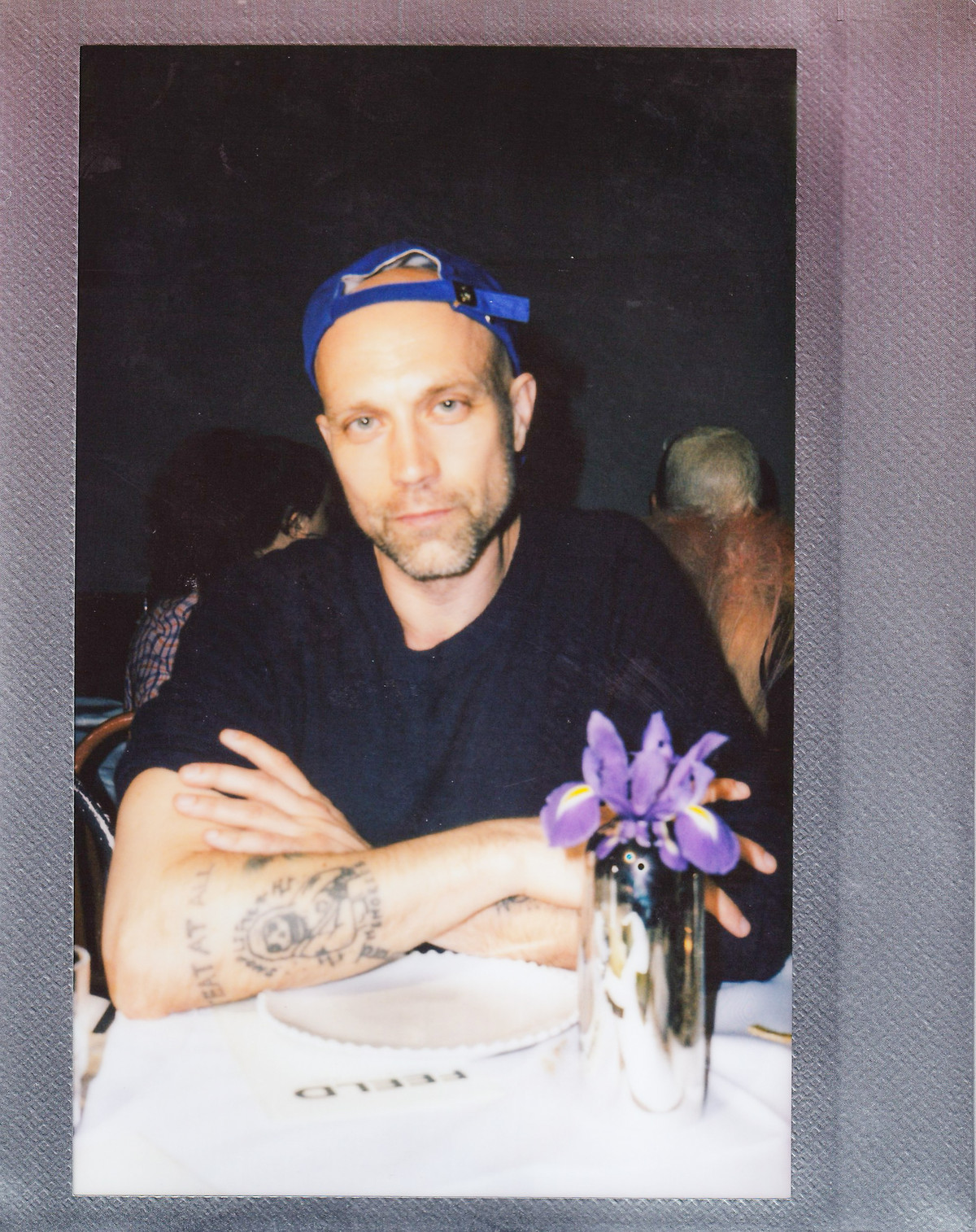
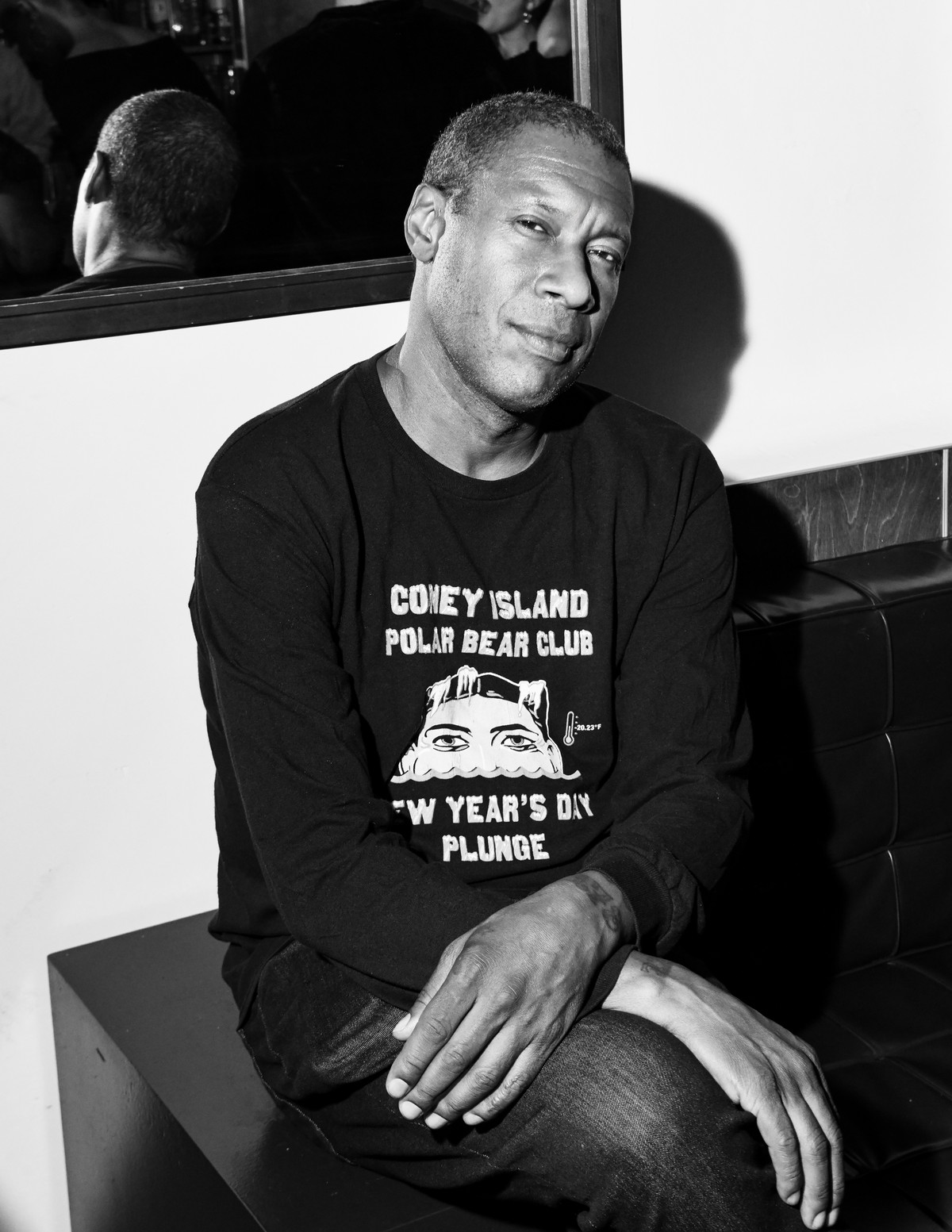
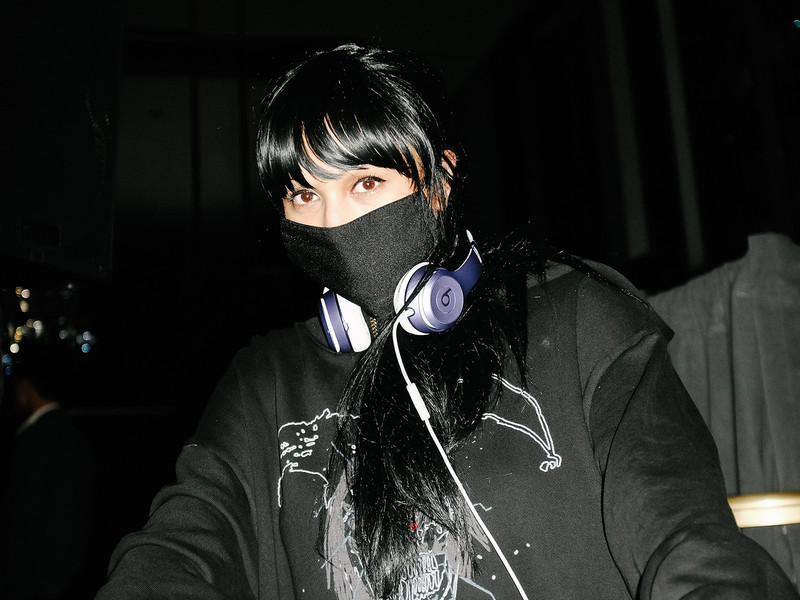
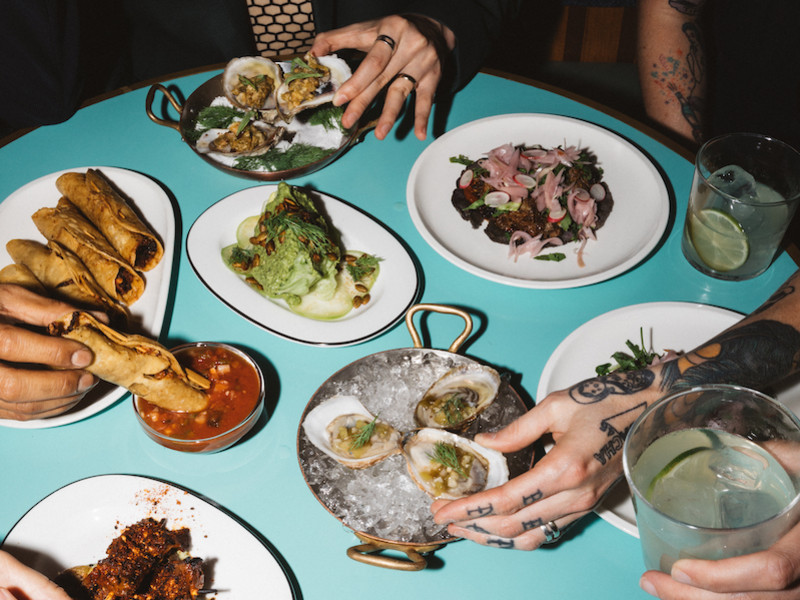
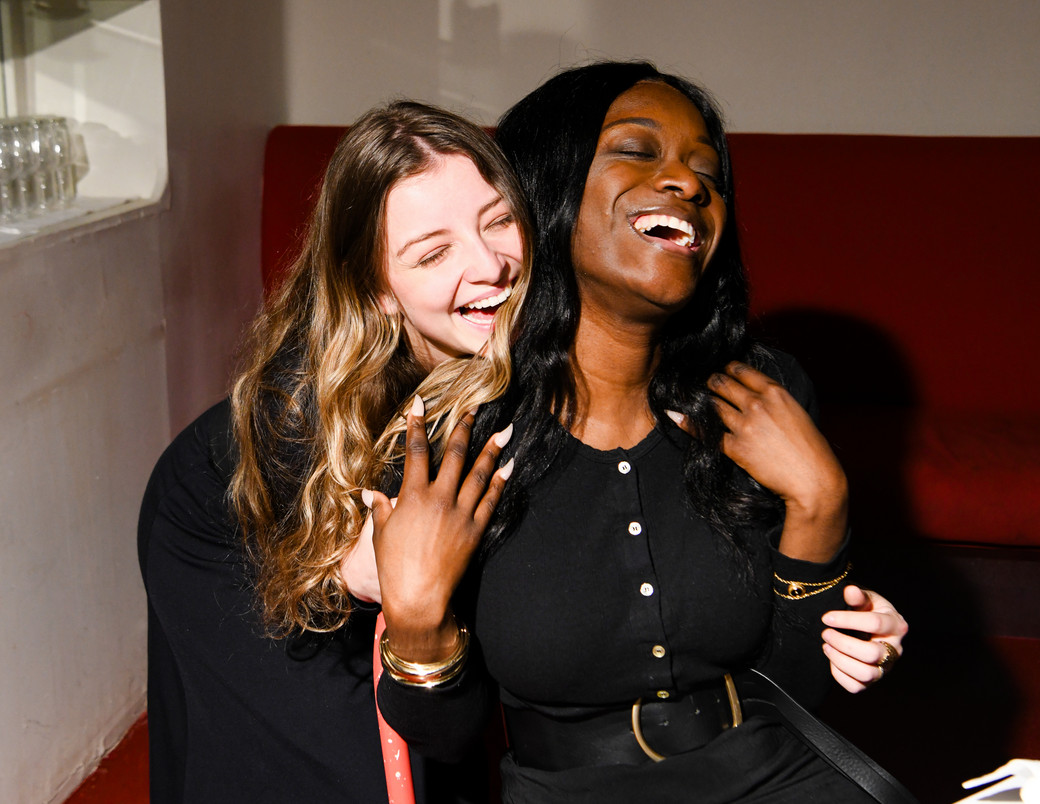
I looked across the table at the different faces, amid steaming, spicy prawns which some people would call inappropriate for a press dinner. A slew of libations were being thrown back, olives, and sexy cheeses I could not eat, but wished for. I sat next to a man I thought I’d have nothing in common with, who surprised me with his wit, charm, and dating profile. The tables were squeezed so tightly with chairs that our knees touched underneath. Strangers become something different, something lovely, something new. On each plate, there was a name card complete with a question. Mine read, “Is it normal to have no desire at all?” When I read it, I thought and then said aloud, “Well, yeah, if you’re asexual.” That’s certainly not me. But hey, at least I know that.
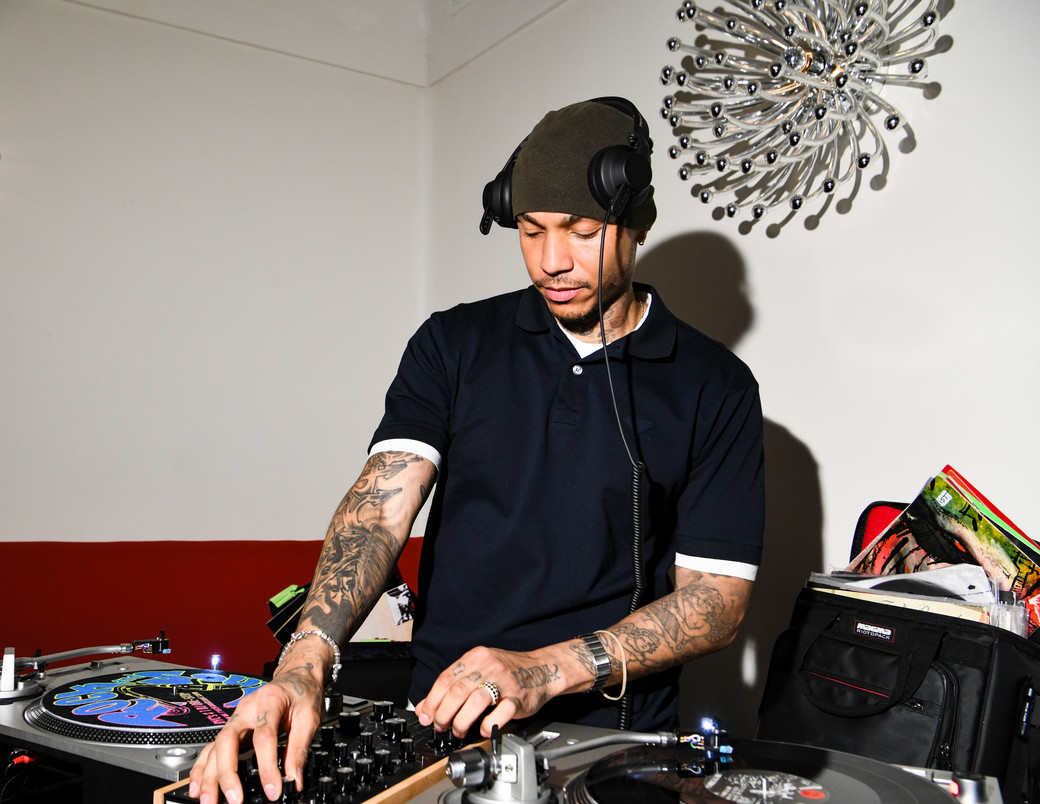
It sparked a conversation about celibacy, the spilling of sexual energy, and how often I masturbate. Another person read out their question, “Is it normal to go through your partner’s phone?” To that, the whole restaurant roared with different opinions, against the loud DJ set playing to my right. Another: “Is it normal to have fantasies?” The question struck me as obvious, but when I listened to the answers around the room, I realized that, for many people, it’s not.
For many people, their norm is to live with shame and guilt for their desires, or rather, the repressions of their true selves. When it comes down to it, I’d argue that most people just haven’t taken the time to discover what makes them tick. Or not. While the world is busy prioritizing success and status and moving as fast as possible, it’s easy to forget that love and sex and boundaries and self-actualization in the form of expression are just as, if not more, important. Reflections exist to remind us of that. And the beauty of spaces like this, and tools like Feeld’s, is that it opens up possibilities and safety and freedom to truly explore, with just yourself.
In the dim red lighting, I think back to that awful evening across from a woman I loved. I stared into my reflection and asked, What else is there? As it turns out, so much more.
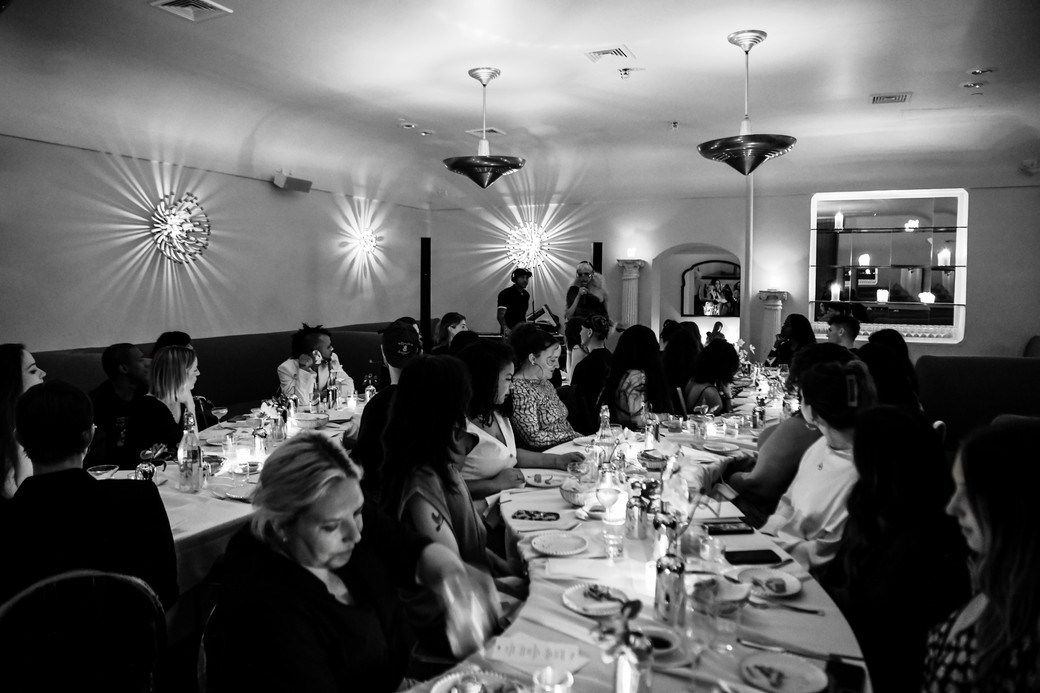
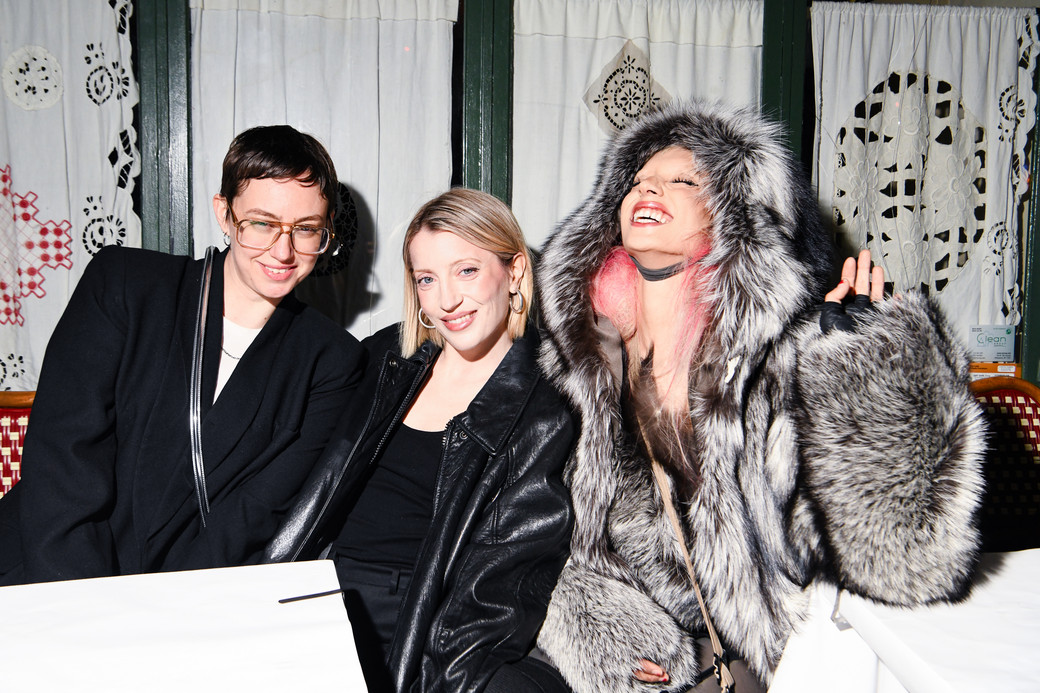
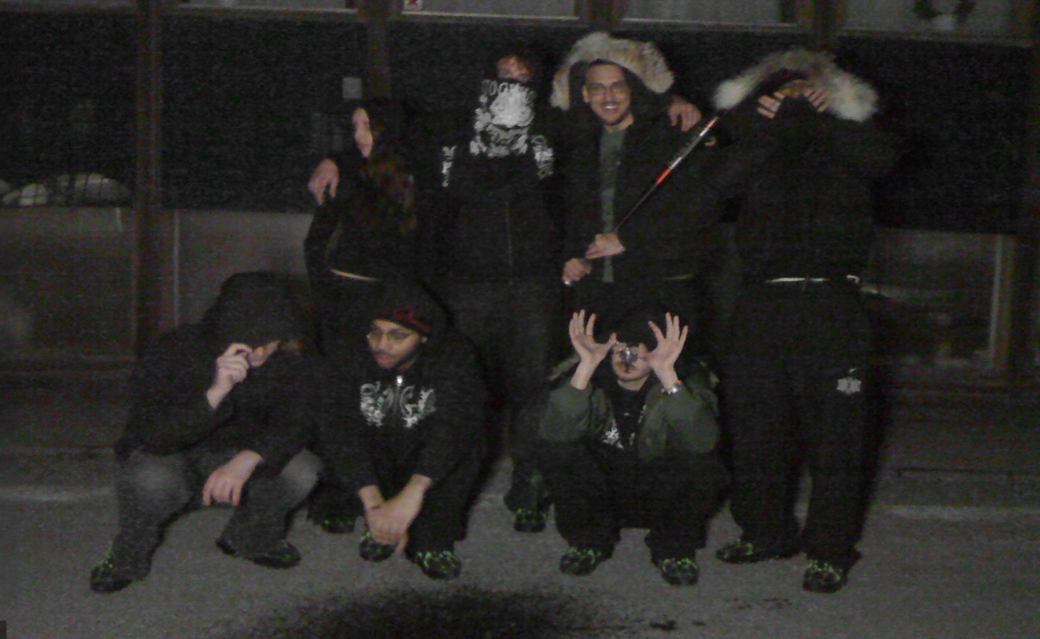
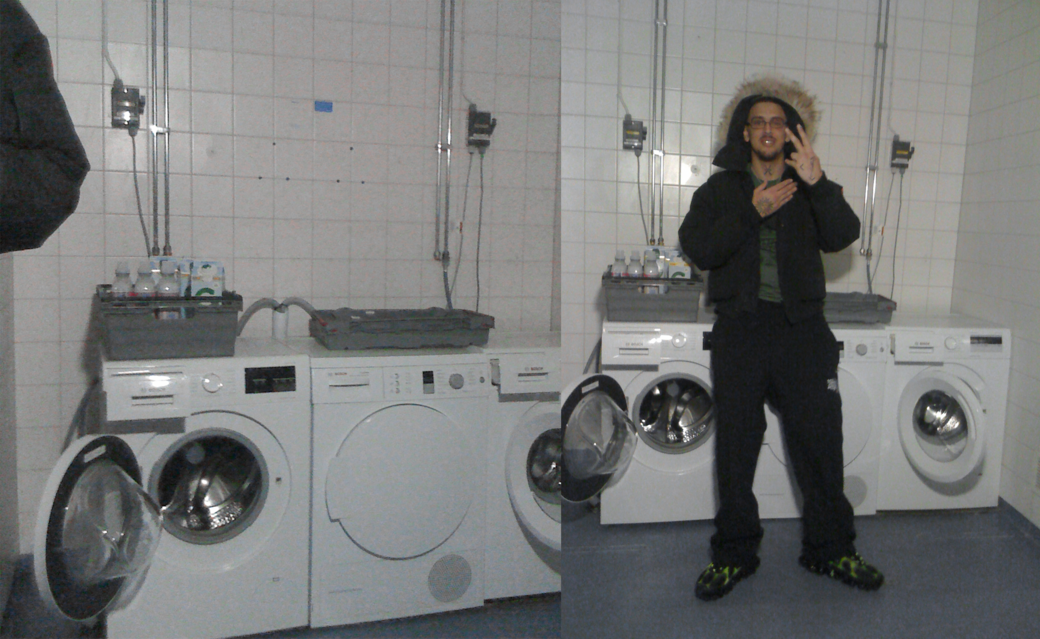
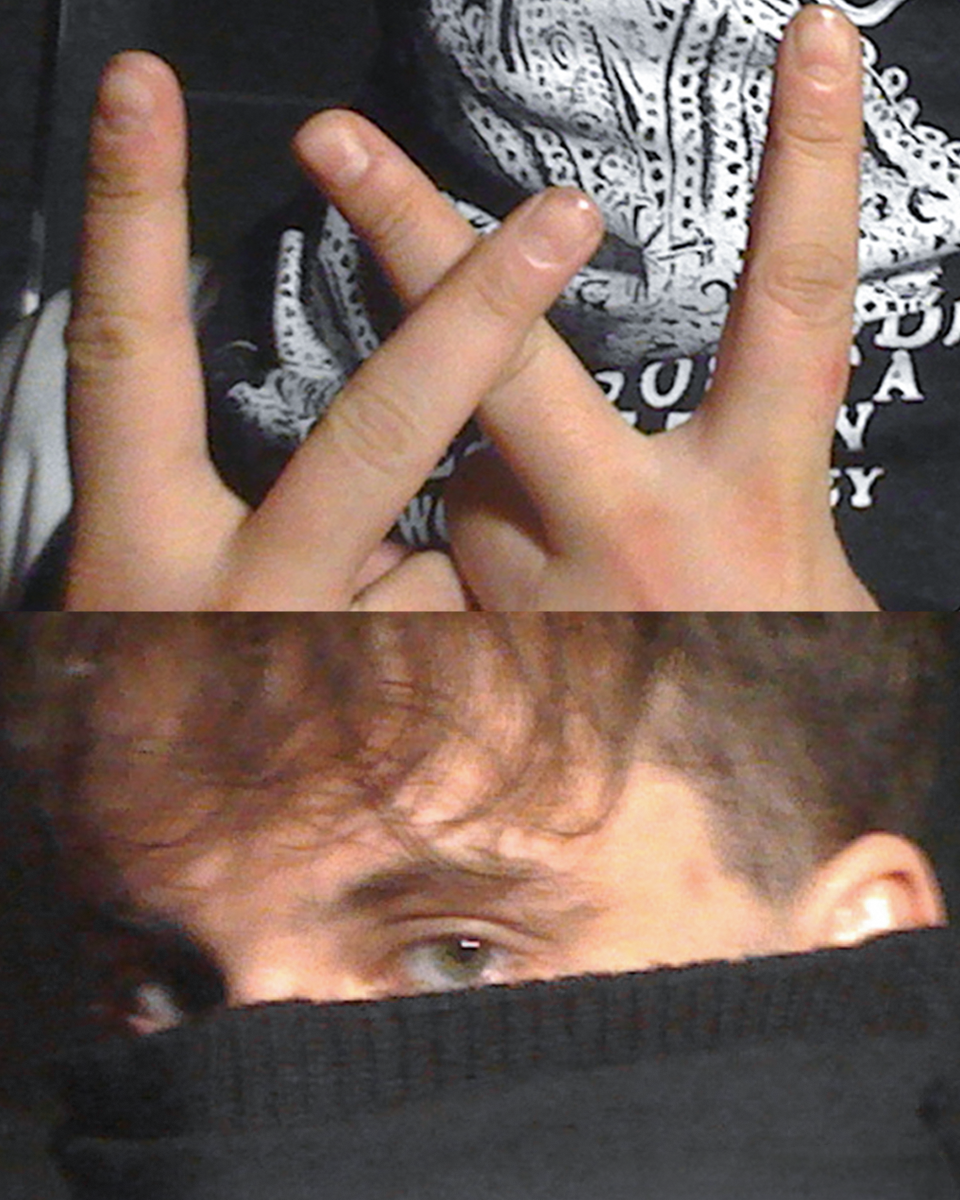
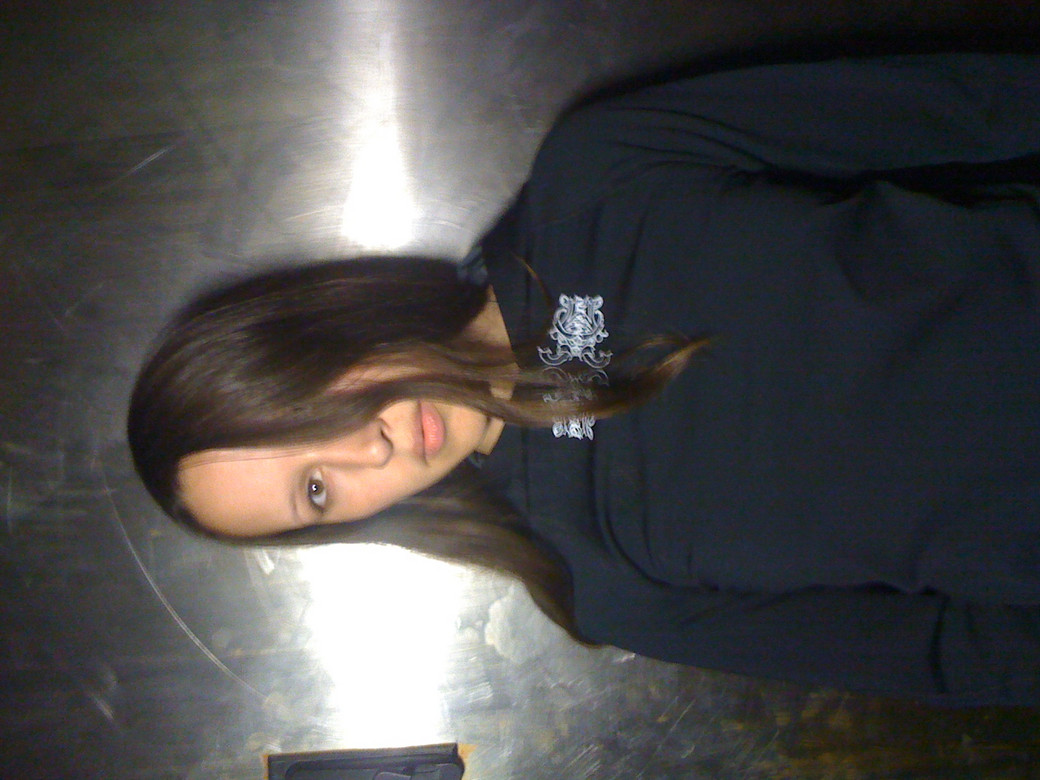
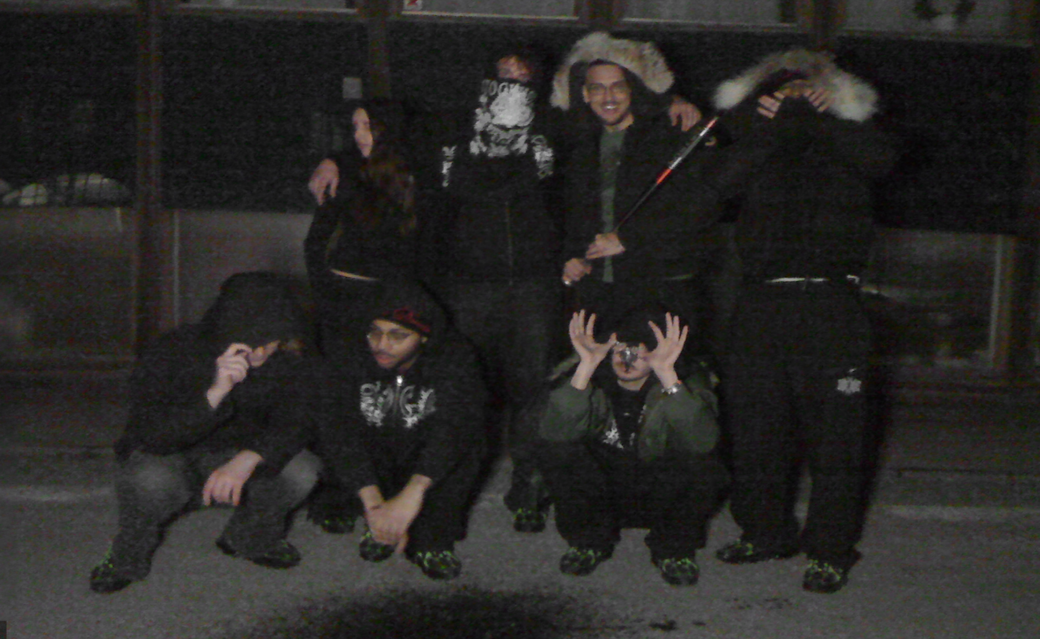
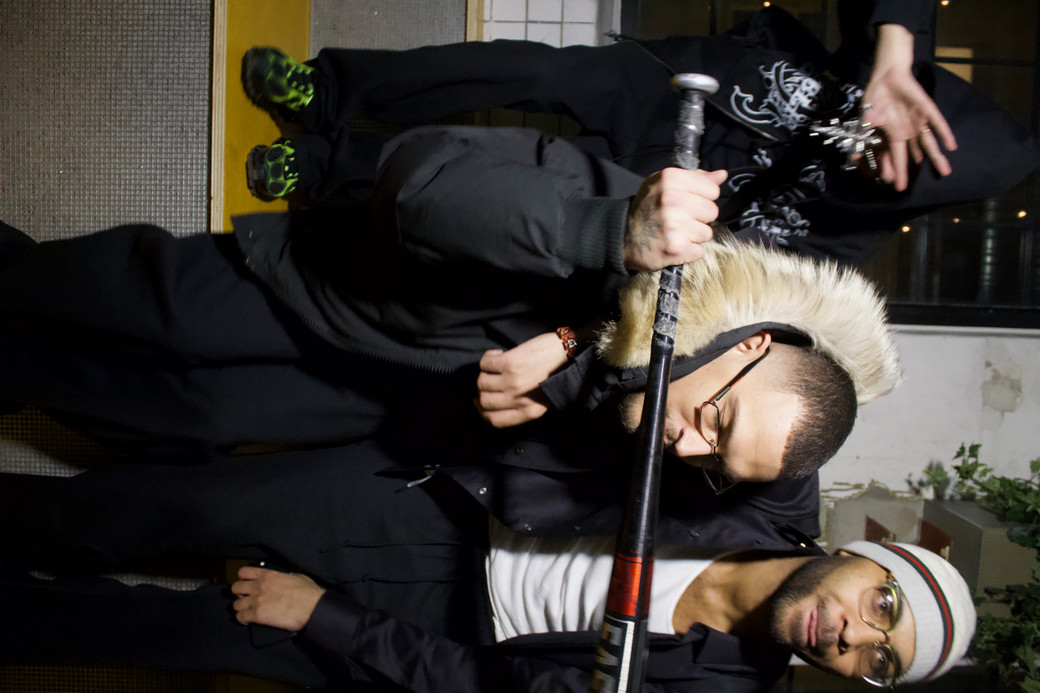
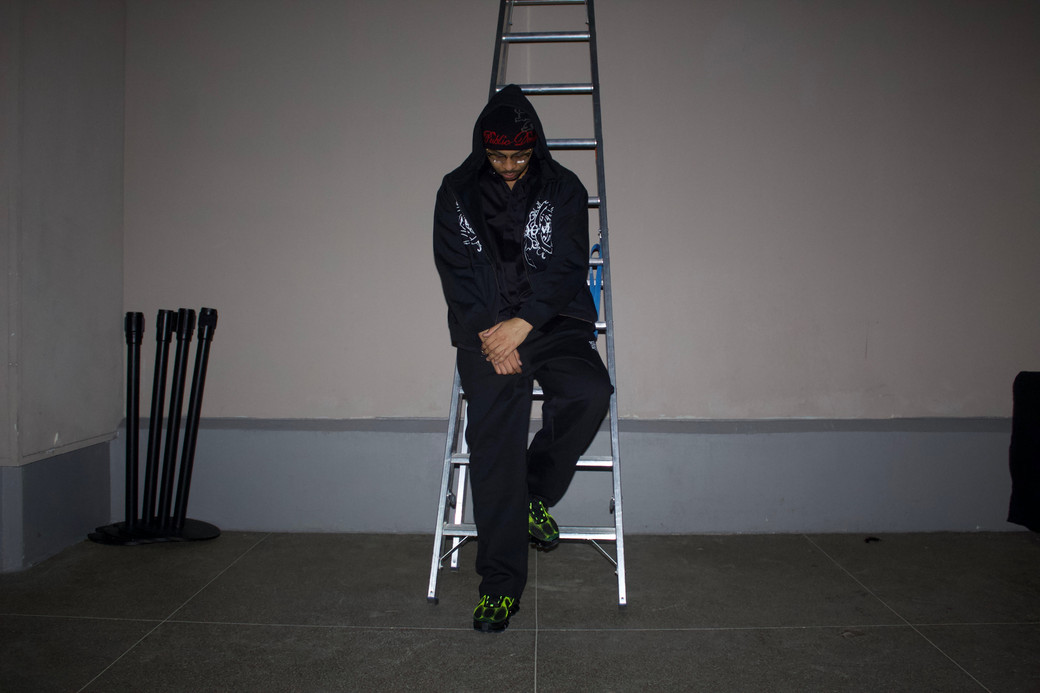
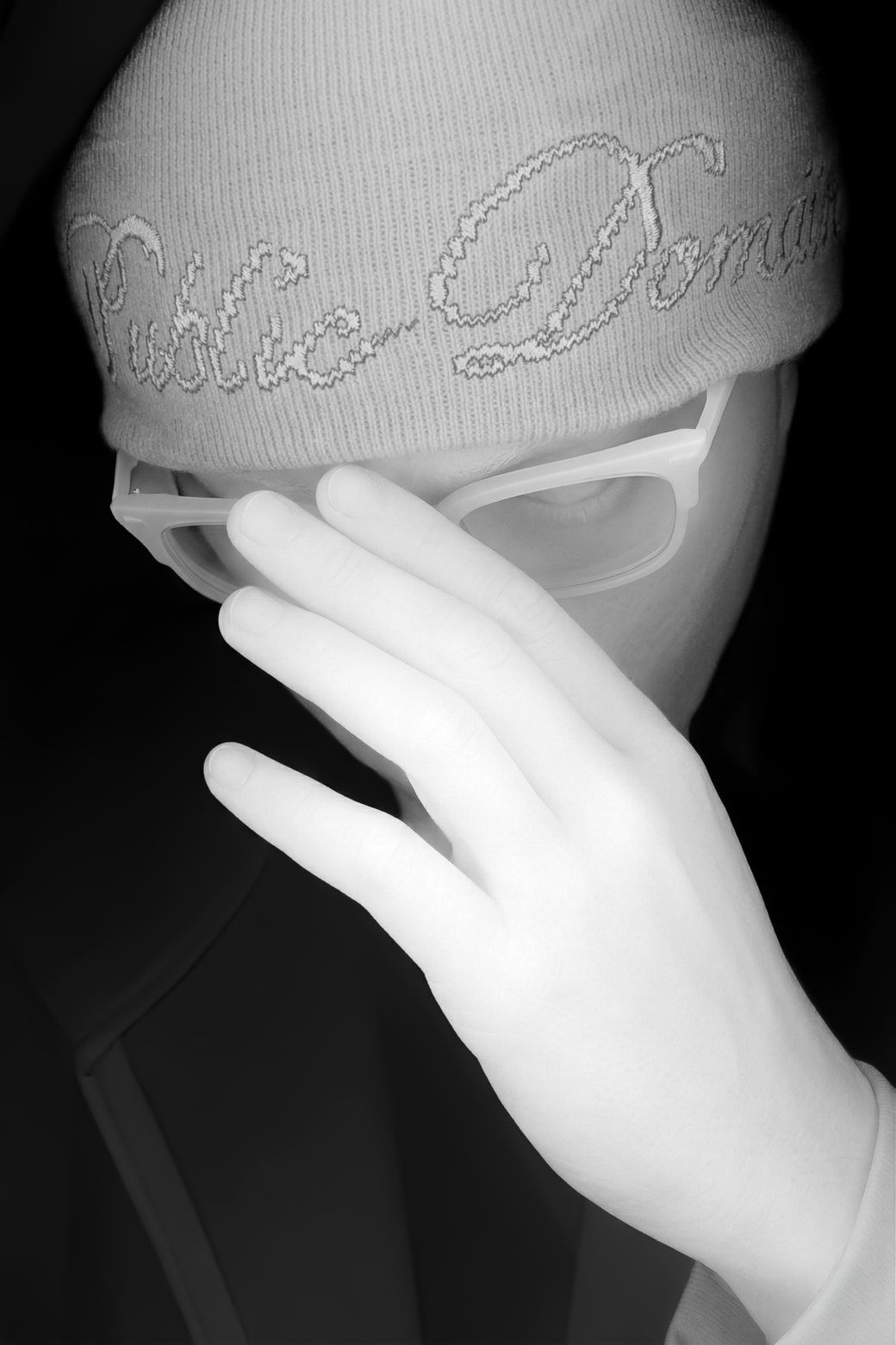
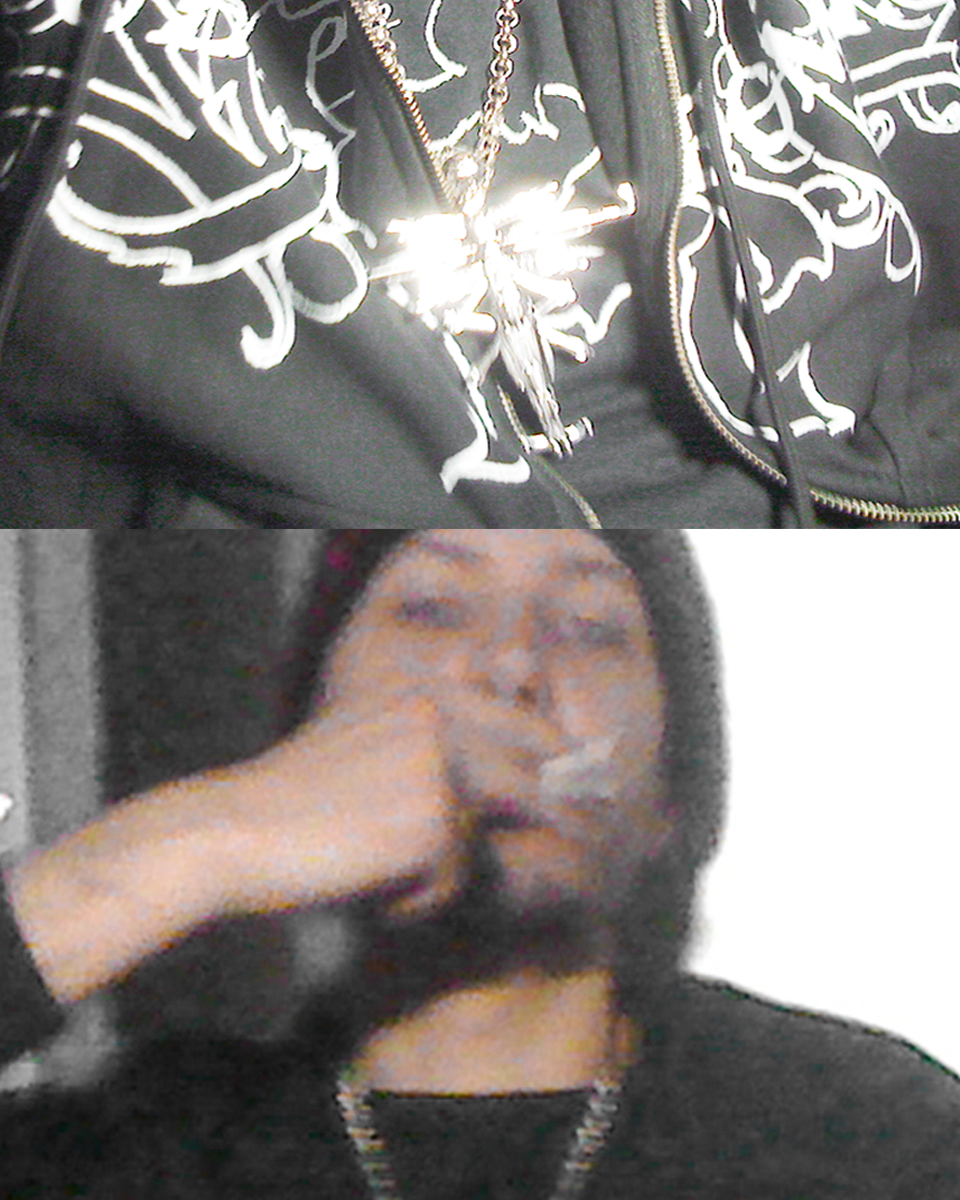
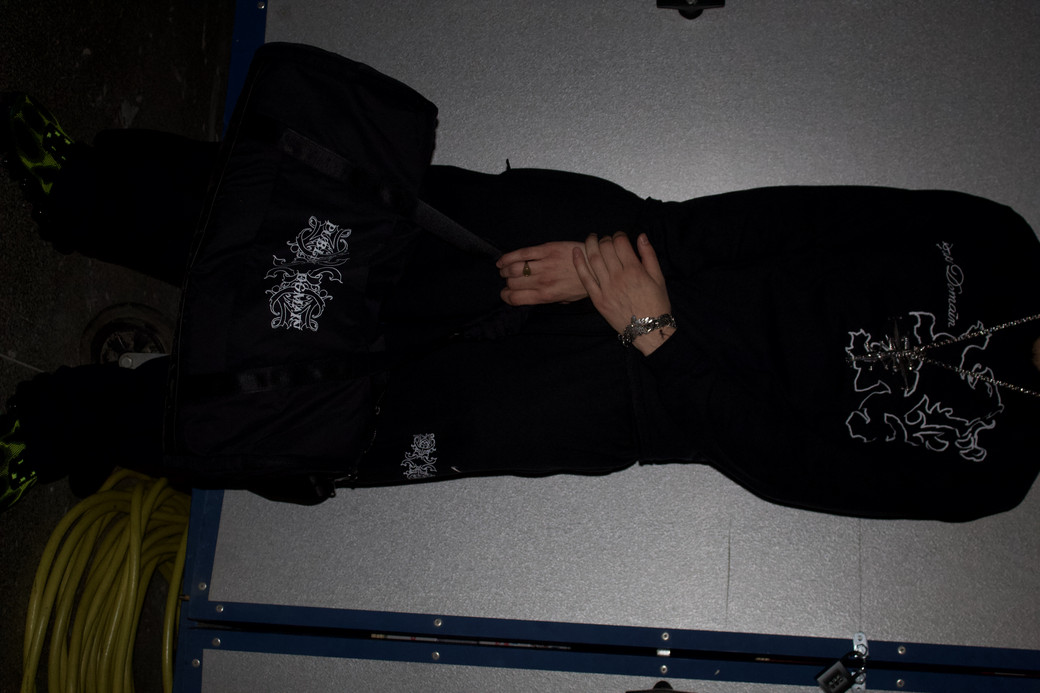
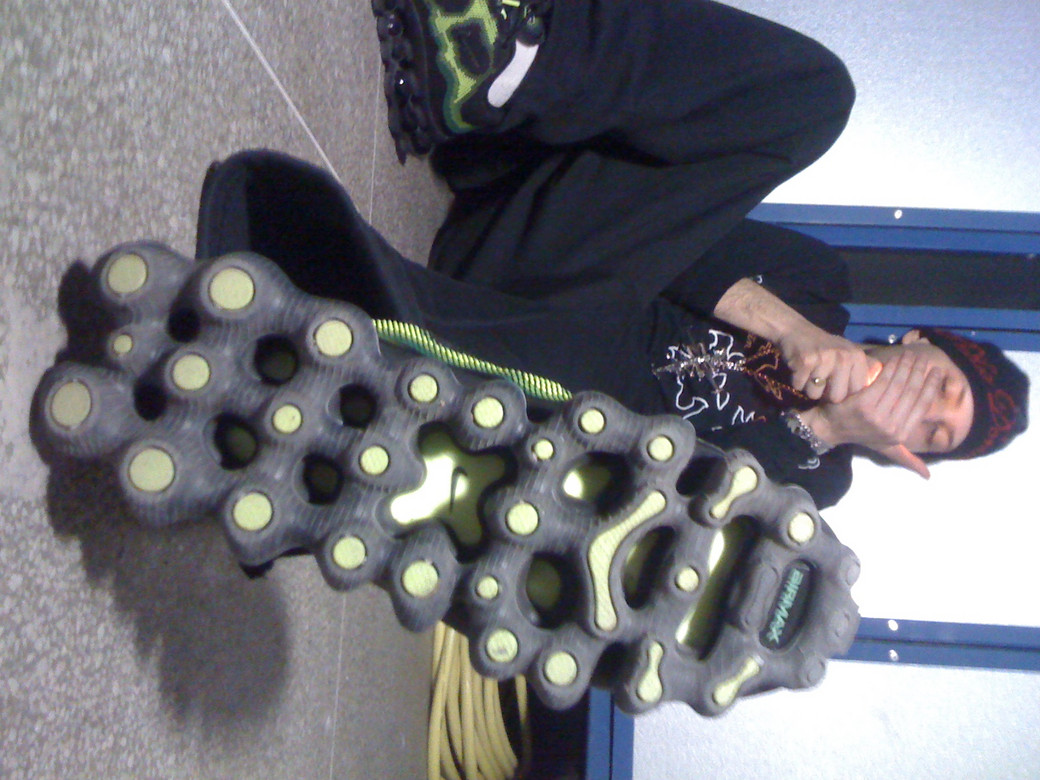
Public Domain began as a response to a gap— an absence of spaces dedicated to the unexplored. Not just new artists, but new sounds. The kind that don't yet belong to a genre, a playlist, or an algorithm. Founded by a group of friends, the collective operates less like an organization and more like a shared frequency. Their mission is simple: give people what they didn't know they were missing.
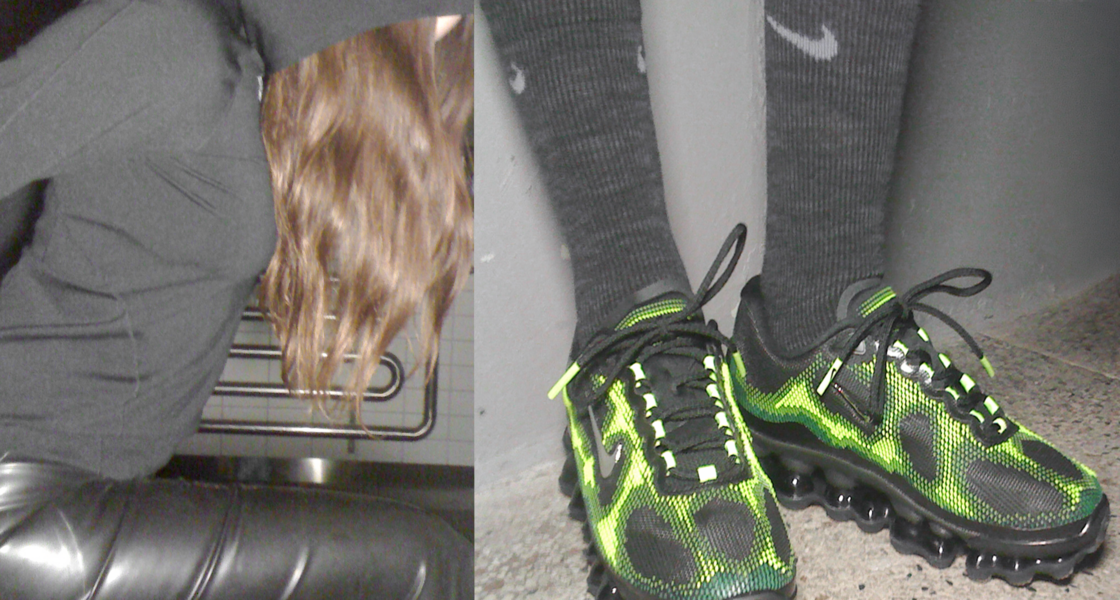
Their second event, PUBLIC DOMAIN X NIKE AIR LIQUID MAX, marked a significant step forward. Held in Stockholm, it wasn't just a party— it was a statement of intent. The lineup reflected a careful balance between local energy and international resistance. Rooster returned for a hometown debut that felt both intimate and overdue, while artists like G La Sosita, Niontay, Realyungphil, Woesum, Stacey, L1na, Yemi, and Femi brought distinct, forward-leaning sounds that blurred boundaries between scenes and geographies.
What Public Domain is building isn't just an event series— it's a platform for cultural exchange at a local and international level. A place where music's next wave can exist on its own terms, without needing validation from outside.
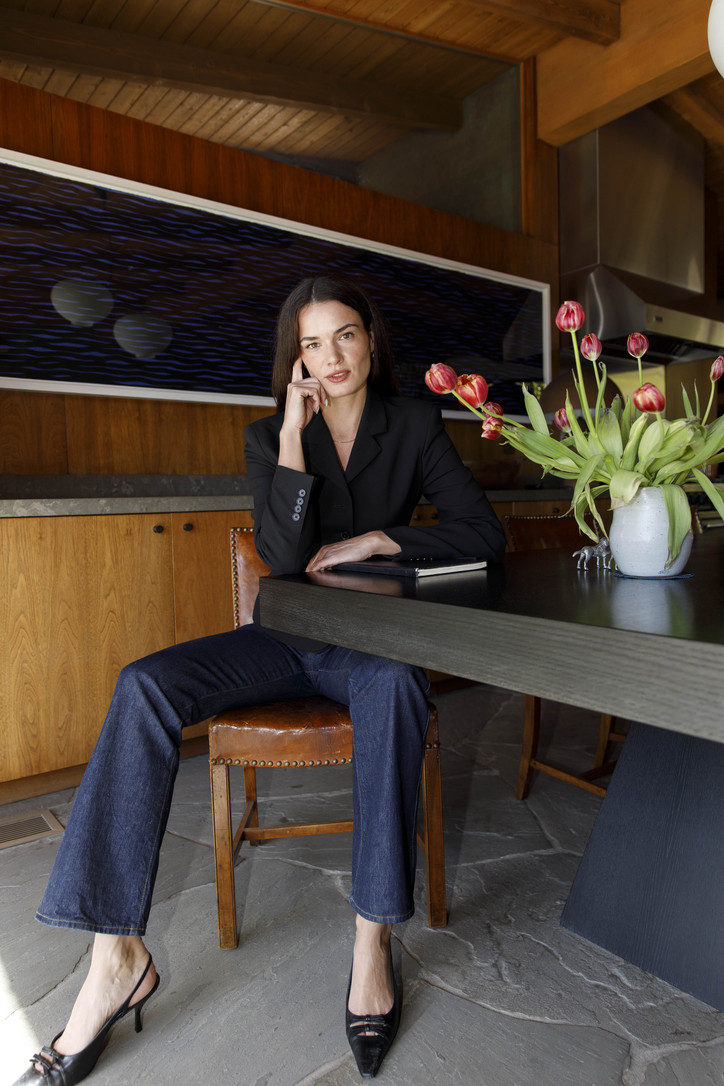
You're a former fashion model, why did you make the transition from modeling to artist management and consulting?
Art was always the through-line for me, even as a child. I had a strong connection to music and art. I started modelling and traveling very young and eventually moved to New York City as a teenager. The city's creative world pulled me in immediately. I sought out gigs with curators, artdealers, and producers, and built a network in the arts in parallel to everything else I was doing. Those experiences were where I started to notice the infrastructure that existed in fashion, supporting talent, agents, managers, and strategists, was almost entirely absent in the visual art world. That observation never left me. It eventually became KUNST.
For a long time, I didn't lead with my modeling career as being part of my story. Not because I wasn't proud of it, but because I underestimated how profoundly it shaped everything I do now. That experience gave me a front-row seat to what good and bad representation looks like. I experienced firsthand what it means to have your career handled with care, or not, and that stayed with me.
What needs did you notice in the industry before starting your agency?
When I entered the art world, I was genuinely surprised to find that most visual artists were navigating their careers on their own. Coming from fashion and entertainment, where agents and managers are understood to be the driving forces behind a talent's trajectory, functioning as strategists, business partners, opportunity architects, it seemed like an enormous gap.
Almost ten years ago, I took my first role at a global agency, CXA, where I focused specifically on bridging the art, fashion, and luxury industries and orchestrating collaborations between them. That role taught me an enormous amount about the industry and being an agent and manager. But it also clarified my ambitions. What we do at KUNST is much more holistic. 360 management that looks at an artist's entire career ecosystem, not just individual deals or brand moments. The industry is ready for this now in a way it maybe wasn't before. The need was always there. The infrastructure just hadn't caught up. The most interesting careers don't fit neatly into one box. We are drawn to multi-disciplinary artists, creatives who work across different mediums. That's always been where the most interesting careers live. The need was always there. The infrastructure just hadn't caught up.
Are there any misconceptions you notice people have about talent agencies and artist representation?
The biggest misconception is that representatives are gatekeepers. That representatives stand between artists and opportunity. In my experience, the opposite is true. At the core of this work is the expansion of existing relationships and the facilitation of new ones. At KUNST, our artists have their own relationships. They work with galleries, brands, institutions, developers, hotels, musicians, and more. We're not here to own those relationships; we're here to deepen them, extend them, and open doors to new relationships. A good representative isn't a gatekeeper, but a career architect working behind the scenes so the artist can stay focused on what they do best: creating.
How does KUNST straddle multiple worlds from art to fashion and music? How did you come to work across these intersections?
Well, I essentially grew up in the fashion and entertainment industry, so working across multiple industries never felt like straddling.I see all of these worlds as part of the universe of culture. It always felt like home.
What's changed is the landscape. Artists today have the ability to build their own brand, cultivate audiences, and pursue opportunities across multiple industries simultaneously. That’s rare. It opens possibilities, but also requires a different kind of management. Someone who can see across all of those avenues at once, ensuring they're complementary rather than contradictory. What I do is connect the dots.
What is something you wish more artists knew about representation and working across multiple industries?
That a good representative is a genuine business partner, not a service you activate from time to time. The relationships that work best are the ones where the investment is mutual. The best opportunities are created from the best materials. The input directly impacts the output. When artists are engaged, there's no limit to what we can build, and those careers move the fastest and the furthest. Similarly, the reverse is also true.
What do you love most about your work?
What I love most is finding ways to turn an artist's vision, an idea, into something real, something tangible. Providing the financial foundation that makes ambitious work possible, and helping shape how that work reaches the world, is what makes my work so exciting. Whether as a project, a collaboration, or an experience. That moment when an idea stops being an idea and finally comes to life is what gets me very excited.
There's creativity and a strategy embedded in making a deal. People don't always see that side, but structuring an opportunity and finding an angle that makes a collaboration meaningful rather than commercial is exciting
Where do you see KUNST in the next 5 years?
KUNST will always be a talent agency first and foremost.
The agencies and companies that will matter in this space five years from now won't just be facilitating other talent's visions. They'll be originating them. KUNST is building toward that goal. A company where artist representation, cultural strategy, and ambitious production all sit under one roof, working together, informing each other.
The natural evolution of what we’re building means we aren’t just managers, we’re makers, shaping the field for the future. Our team is already moving in that direction, working as creative producers of artist-driven projects, events, and cultural strategists for brands and corporations that want to engage with the art world in ways that are genuinely meaningful rather than purely transactional. The through-line is always the artist. The ambition is to build the infrastructure around them that provides the services they require to grow and build sustainable careers.
What trends are you seeing in the art and creative industries that are impacting your work the most?
I've believed for a while now that as our digital lives expand, the value of physical, lived experience will only grow. Offline experience is the new luxury. I think the rise of AI is going to accelerate that, not diminish art, but deepen people's hunger for it. When images and sounds can be generated infinitely, what becomes rare and precious is the irreplaceable human experience. Work that makes you feel something in your body. Work that you encounter with others, that you carry with you afterwards.
I see this in the artists I work with, such as Lily Kwong or Boris Acket, whose practices create environments so immersive and emotionally precise that audiences leave genuinely moved. Sometimes in tears. That kind of collective, bodily experience is increasingly what people are seeking. It's where culture is going. And it's where the most interesting work, and the most meaningful opportunities will be.