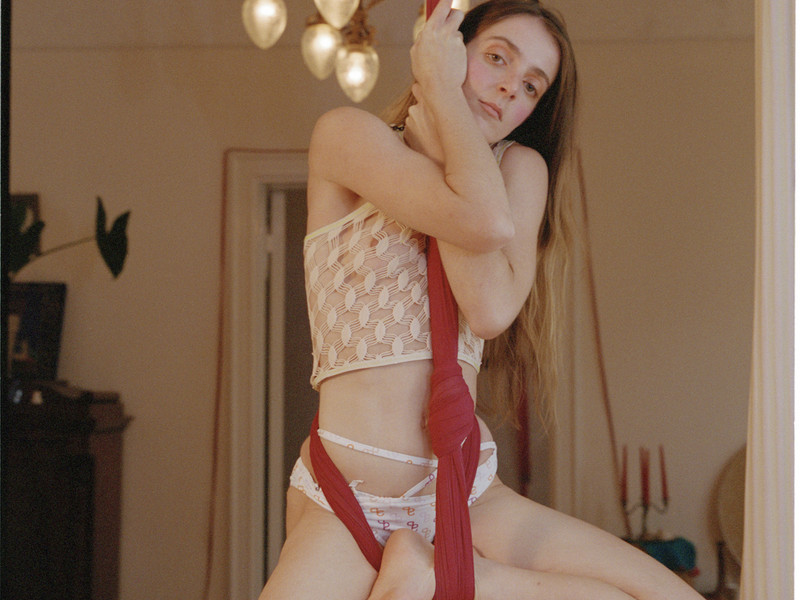
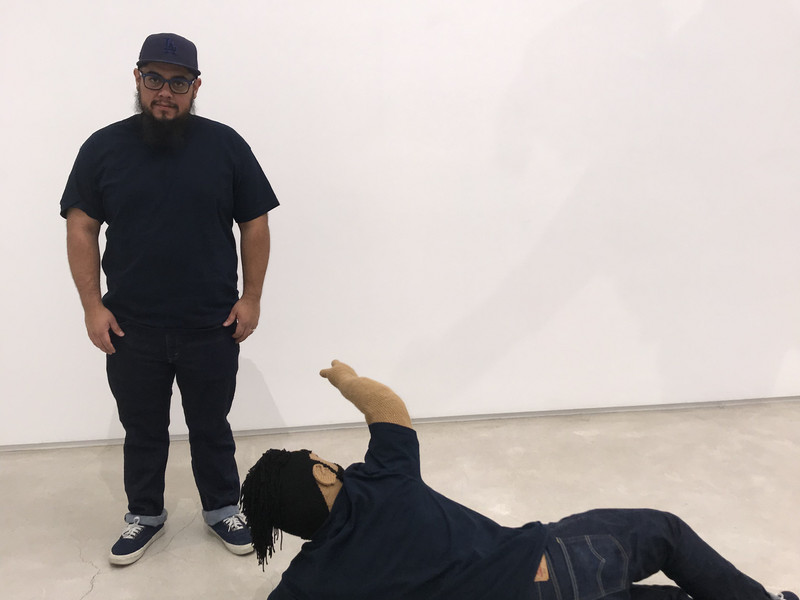
PRESENTE CONTINUO: the intimate ties between then&now

Starting May 30, PRESENTE CONTINUO will be available to purchase on presentecontinuo.com, cpcompany.com, and at the C.P. Company flagship store in Milan, Corso Matteotti 7.
Stay informed on our latest news!

Starting May 30, PRESENTE CONTINUO will be available to purchase on presentecontinuo.com, cpcompany.com, and at the C.P. Company flagship store in Milan, Corso Matteotti 7.

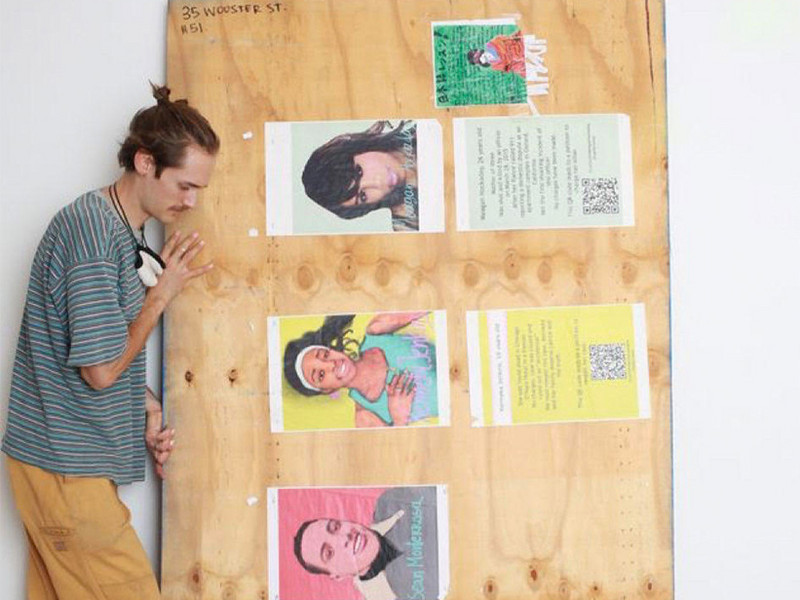
He continues, describing the not-so-talked-about but highly popular skin-bleaching regimen that many Filipinx-American individuals undergo. "A lot of us who have a fucked up history with colonization/being colonized are still trapped in the boxes and rules that our colonizers put us in," he says. "Papaya is an example. Skin bleaching is a large market for Filipinx people not just in America but really around the world."
Watch the short film below.

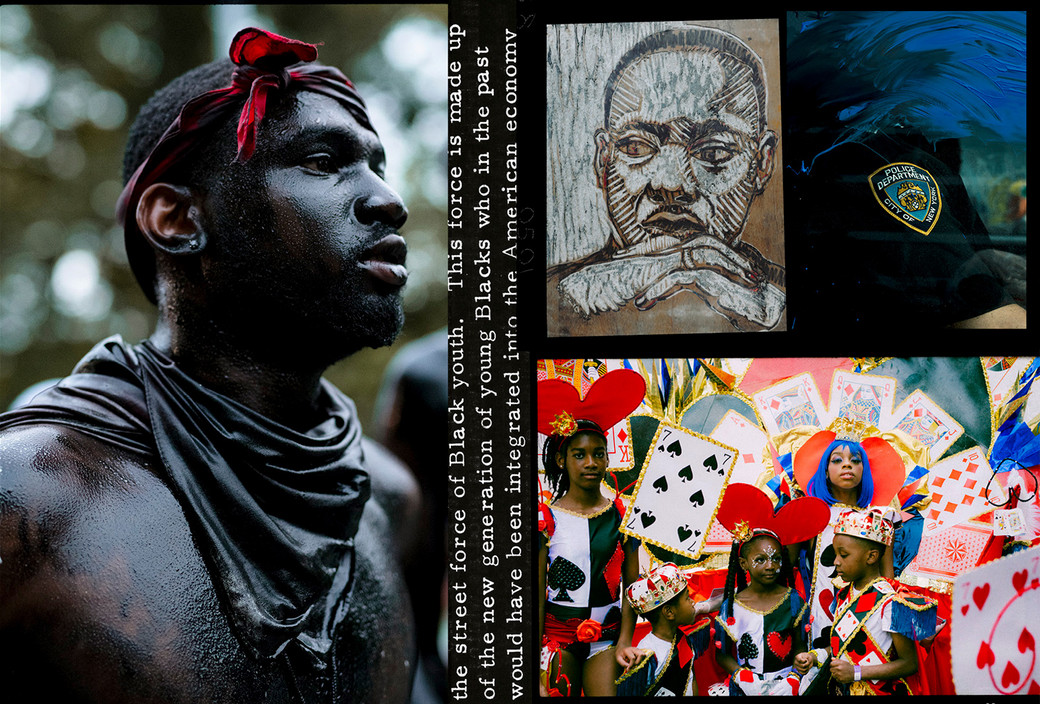
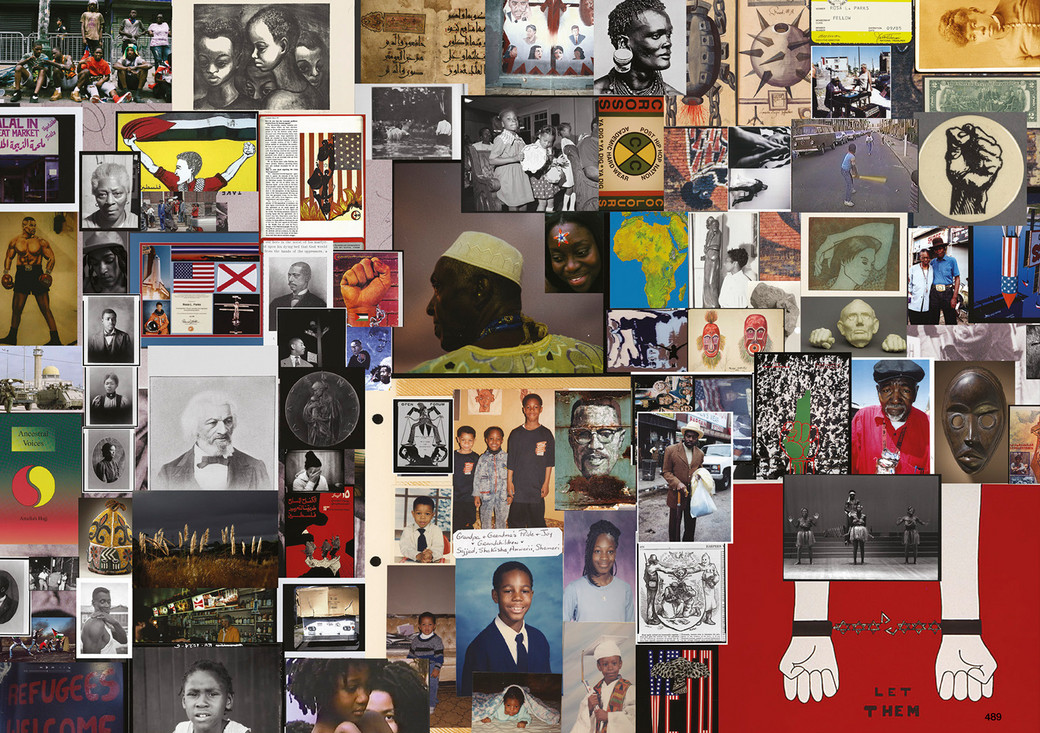
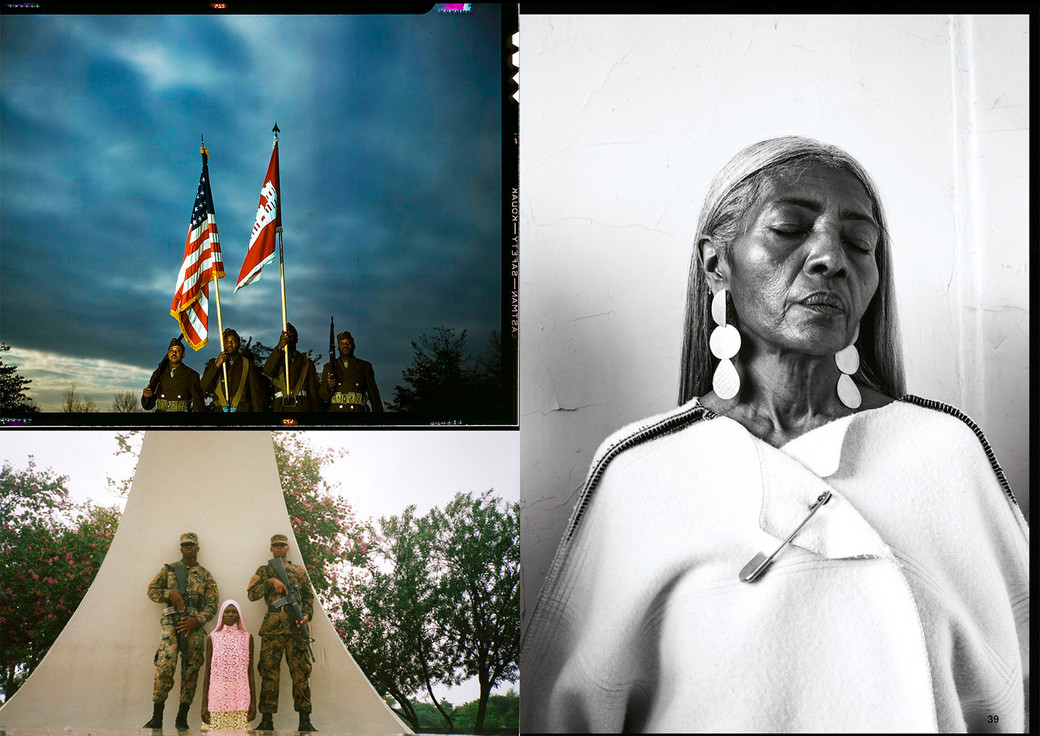
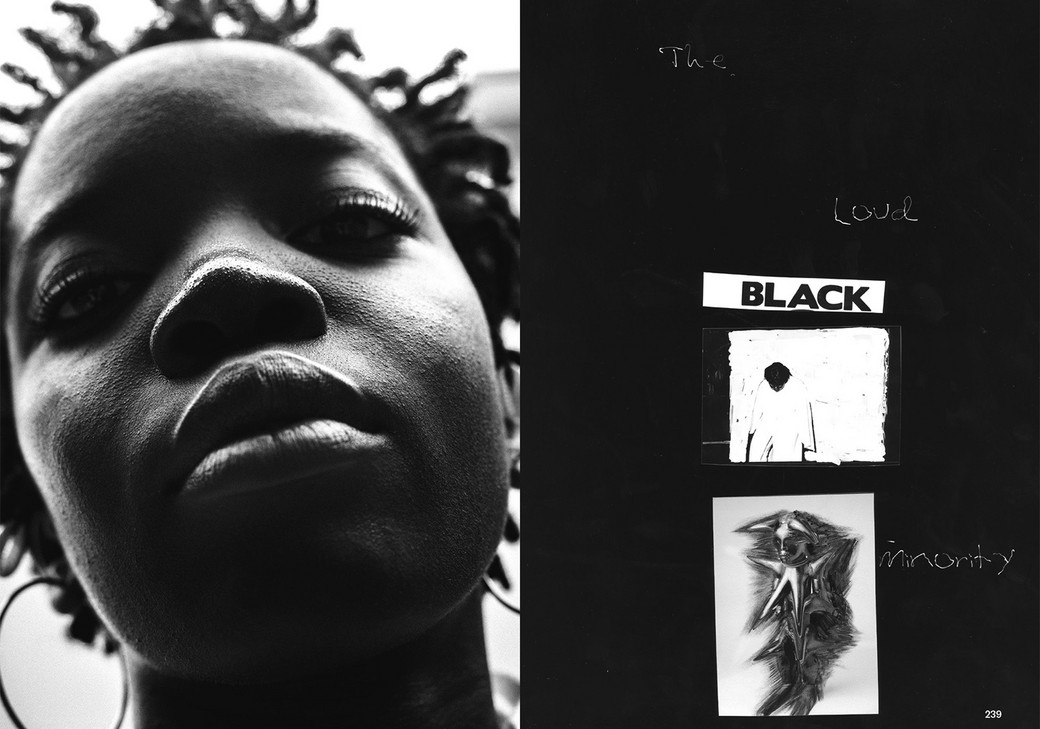
"Whoever’s looking at the book, if you’re somebody who grew up similarly, someone who grew up in a Chicago, LA, New York, for me in the South Side, primarily minorities, you’ll be able to jump into a page and be like, 'That’s not my uncle, but I know that uncle. I don’t know any of these people, but I know that vibe, I know that barbecue.' Even though these are the conversations I had, they’re also symbols of conversations for other people, as well. I can act as a connection point," Hasan says.
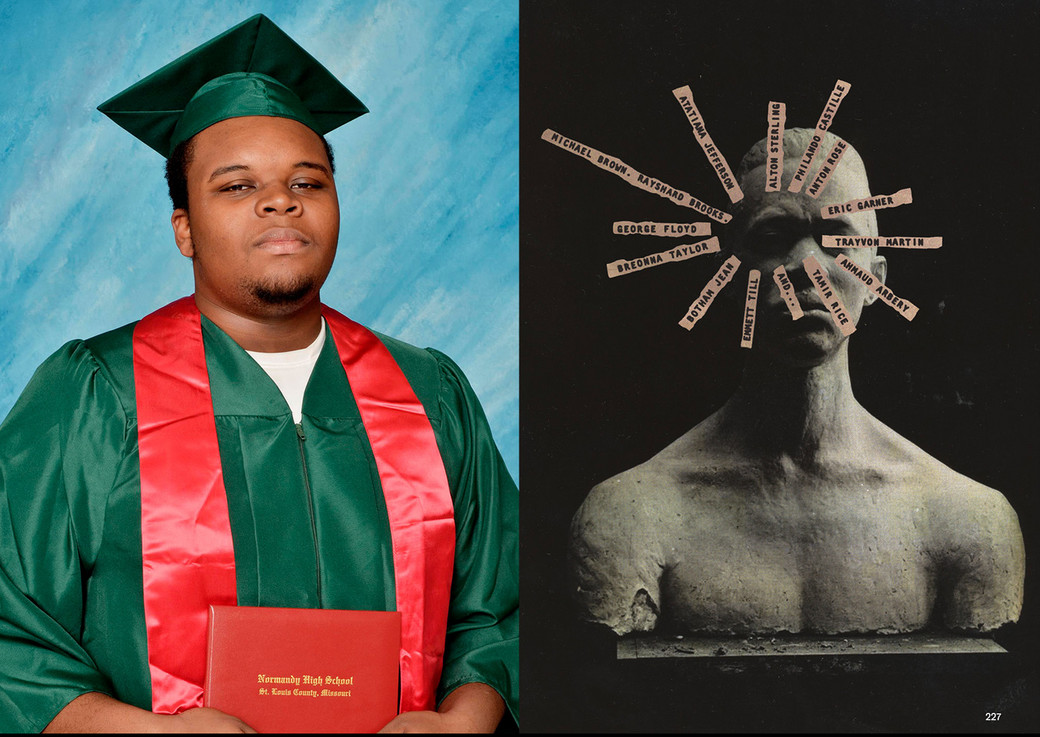
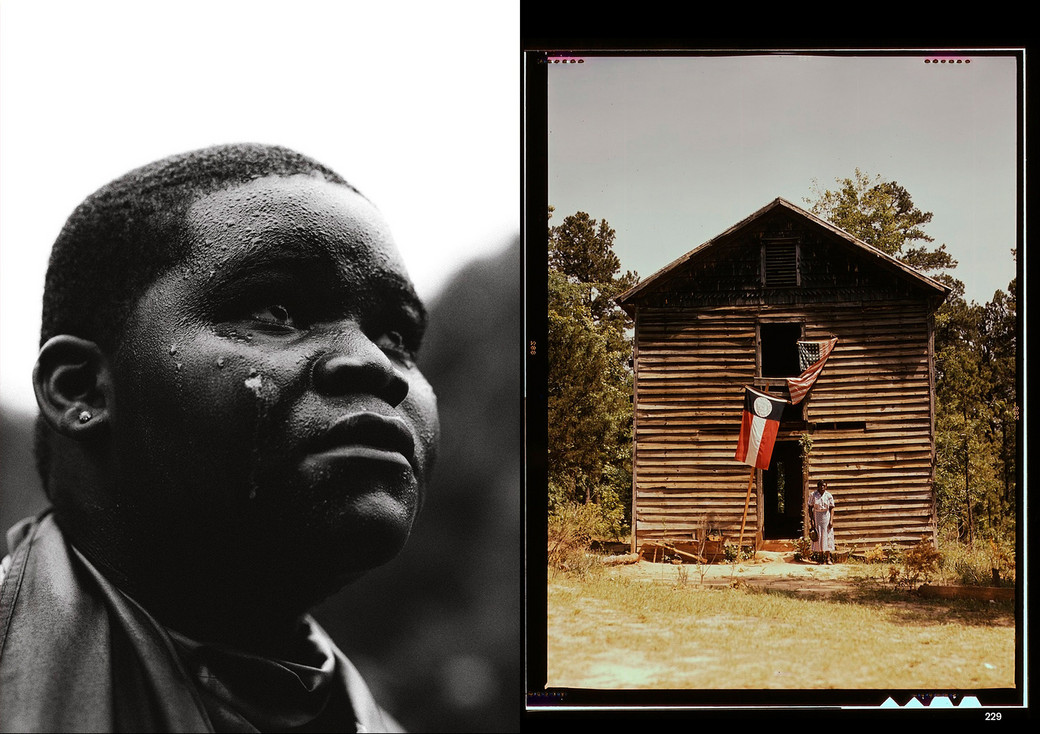
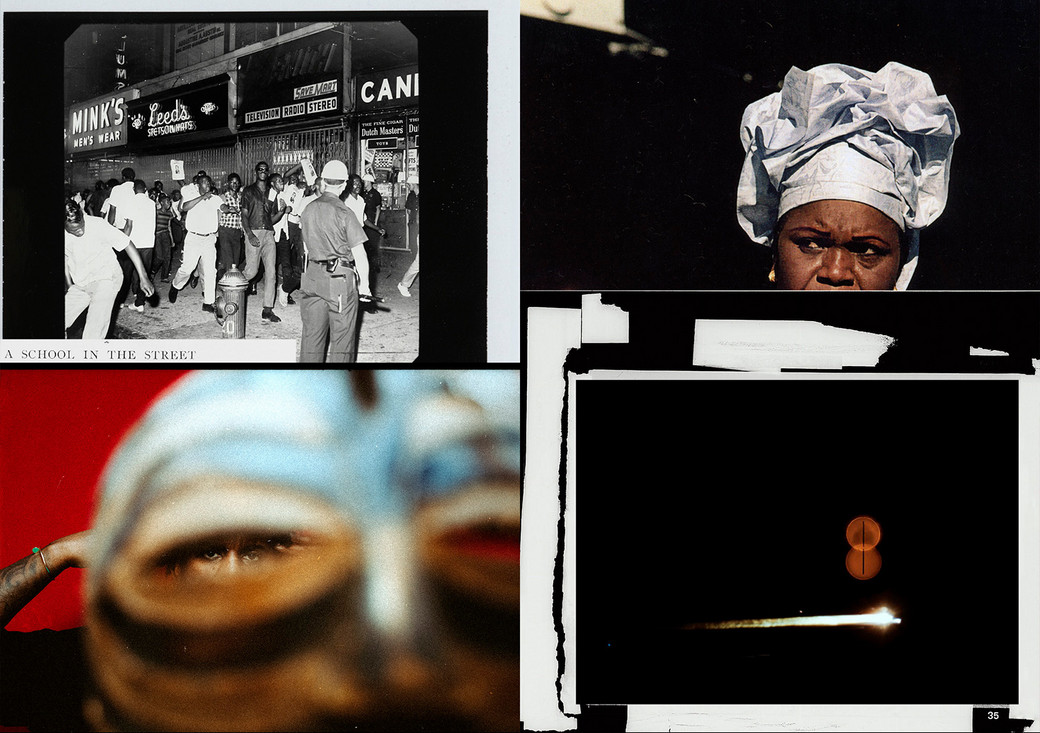
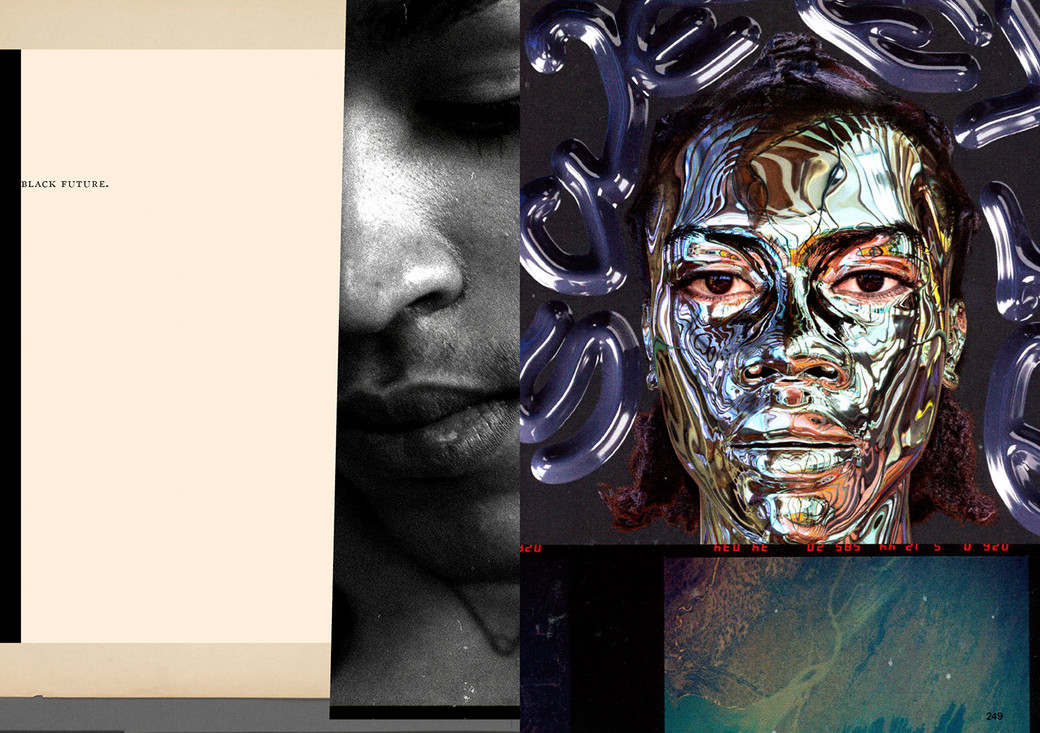
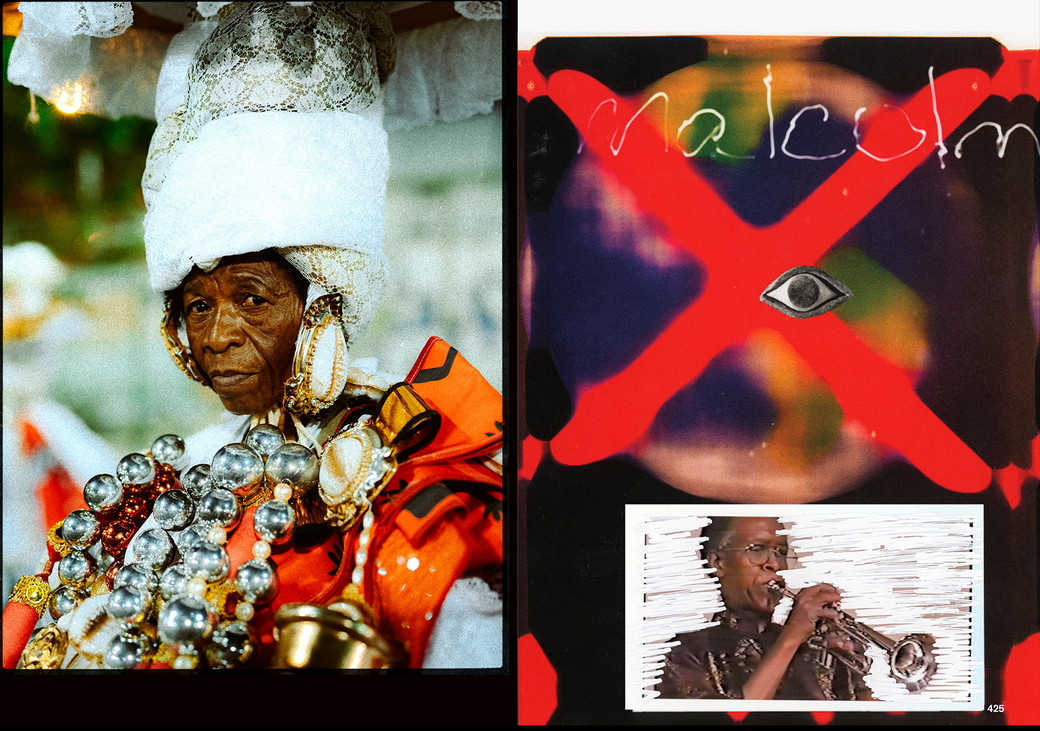
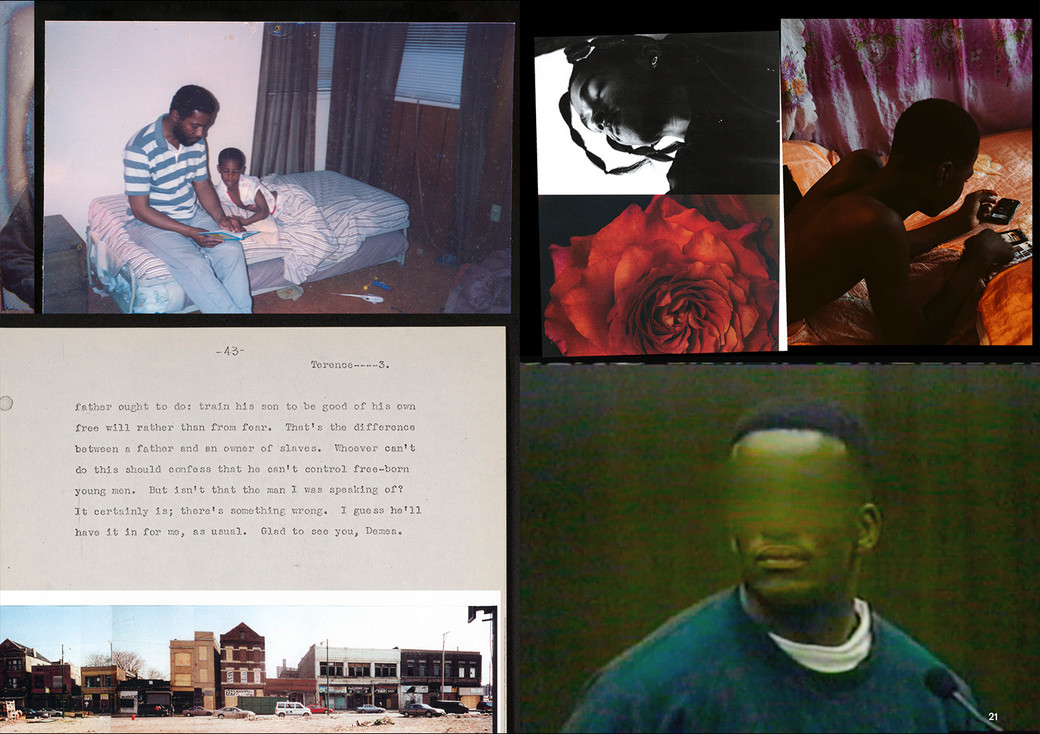
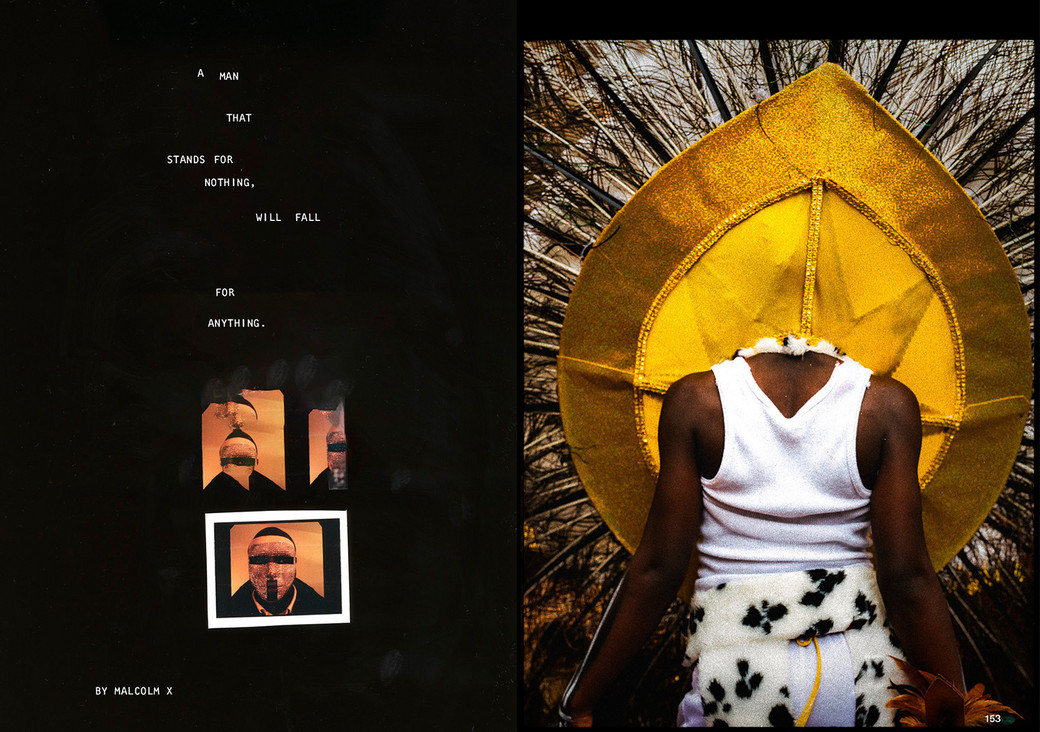
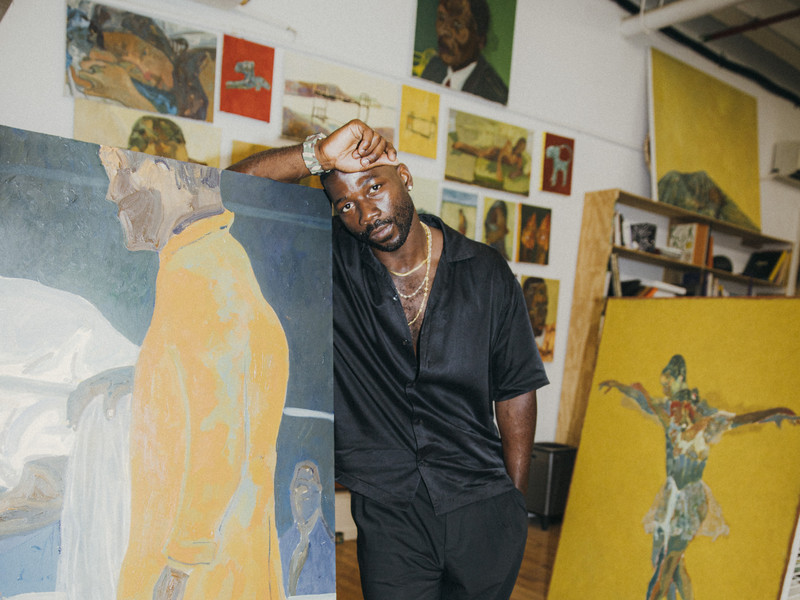
Love is Why is the visual representation of conversations Hasan would have with his childhood mentors growing up, and serves as a thank you to four Black gentlemen he met as a young kid on Maxwell Street and Malcolm X in Chicago.
The collection consists primarily of Hasan’s vision and images, alongside contributions from other artists, writers, and public domain photographs, all working to uplift Black voices and perspectives. Through his art, Hasan uses this as a way of coping with the trying year we've all dealt with.
After the academy lost its principal Dez-Ann Romain, to COVID 19, Ibrahem felt a calling to heal the school in some aspect. It occurred to him that students needed laptops, especially during the pandemic, and thus the reason for Love is Why was born.
The inspiration for this book stemmed from Maxwell Street, Hasan's mentors, and the pillars which the Chicago-born-and-raised artist sprouted from. "I met my four black mentors on Maxwell Street," Ibrahem explains. "It’s on the South Side of Chicago. Blacks migrated up north for work, and after work they’d congregate and just kinda kick it. But that’s where the Chicago Blues started, and it became kinda like an open-air market where people would sell things, hang out, listen to the blues and eat food, and it was really chill. We would go there at like 4 in the morning, we’d pick up records and I’d hang out with them [his mentors]. Saturdays, I’d go to work, crash, go out around 12 or 1, and then around 4 am — Maxwell street.

The Love is Why website is as nonlinear as the physical copy. It imitates the method of what the South Side born and raised artist experienced learning from the likes of Record Sam and Louis Books. "These guys would school us, teach us the things school couldn’t teach us. The Tuskegee experiments, Sun Ra, the Haymarket Riots in Chicago, police brutality, the Black Panthers, Fred Hampton, all these things nobody was gonna teach me in school, they did. It was amazing, having those teachings at a young age."
Volume 2 is going to honor Ibrahem's Palestinian heritage and focus on the concept of solidarity. His creative process focuses on the lens of him as a student as well. In the second volume, he will be elaborating on his understanding of what home is, what being Palestinian-American truly means.
Through book purchases, 100% of those proceeds will also go to a relevant cause like Love Is Why.

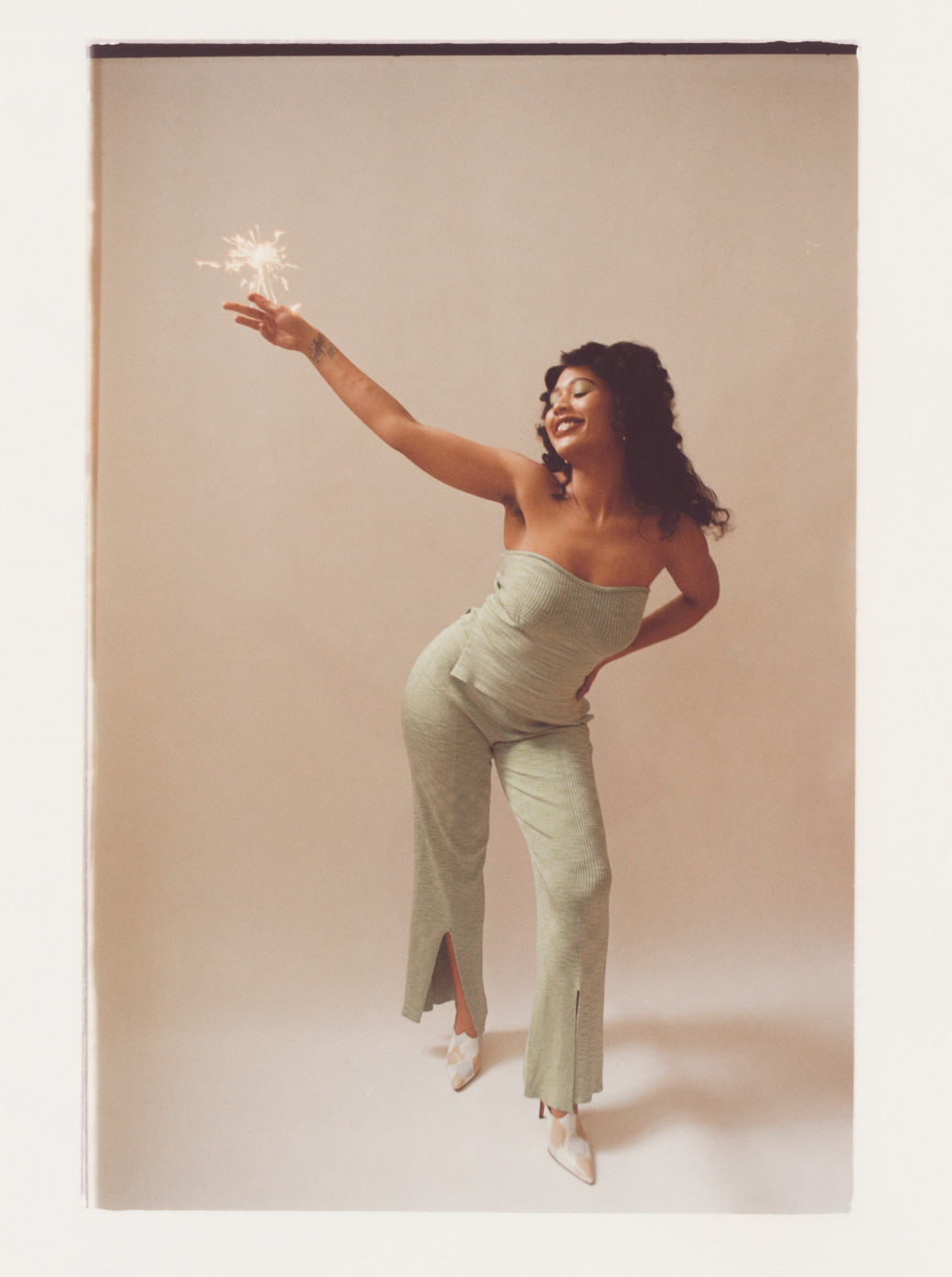
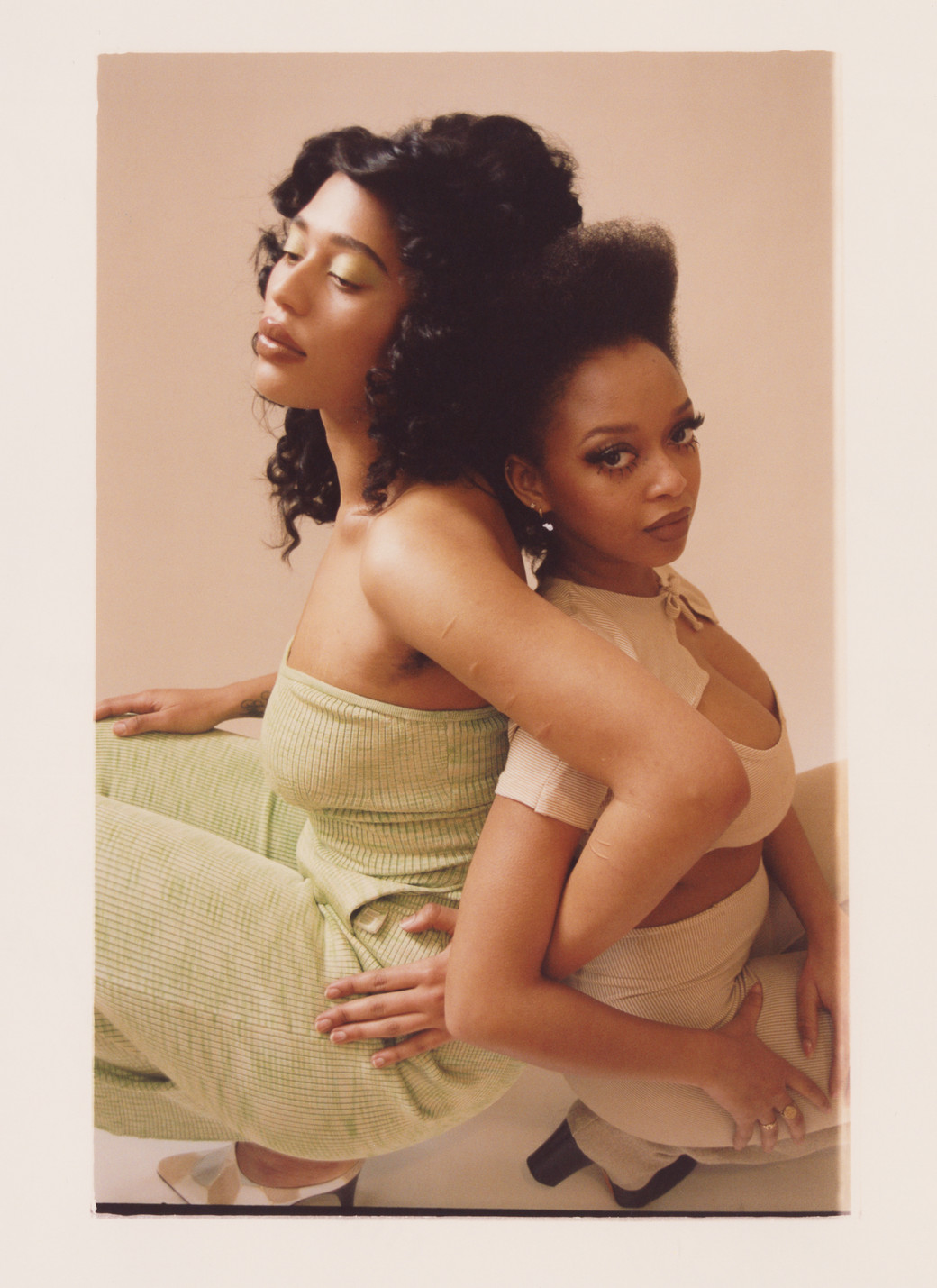
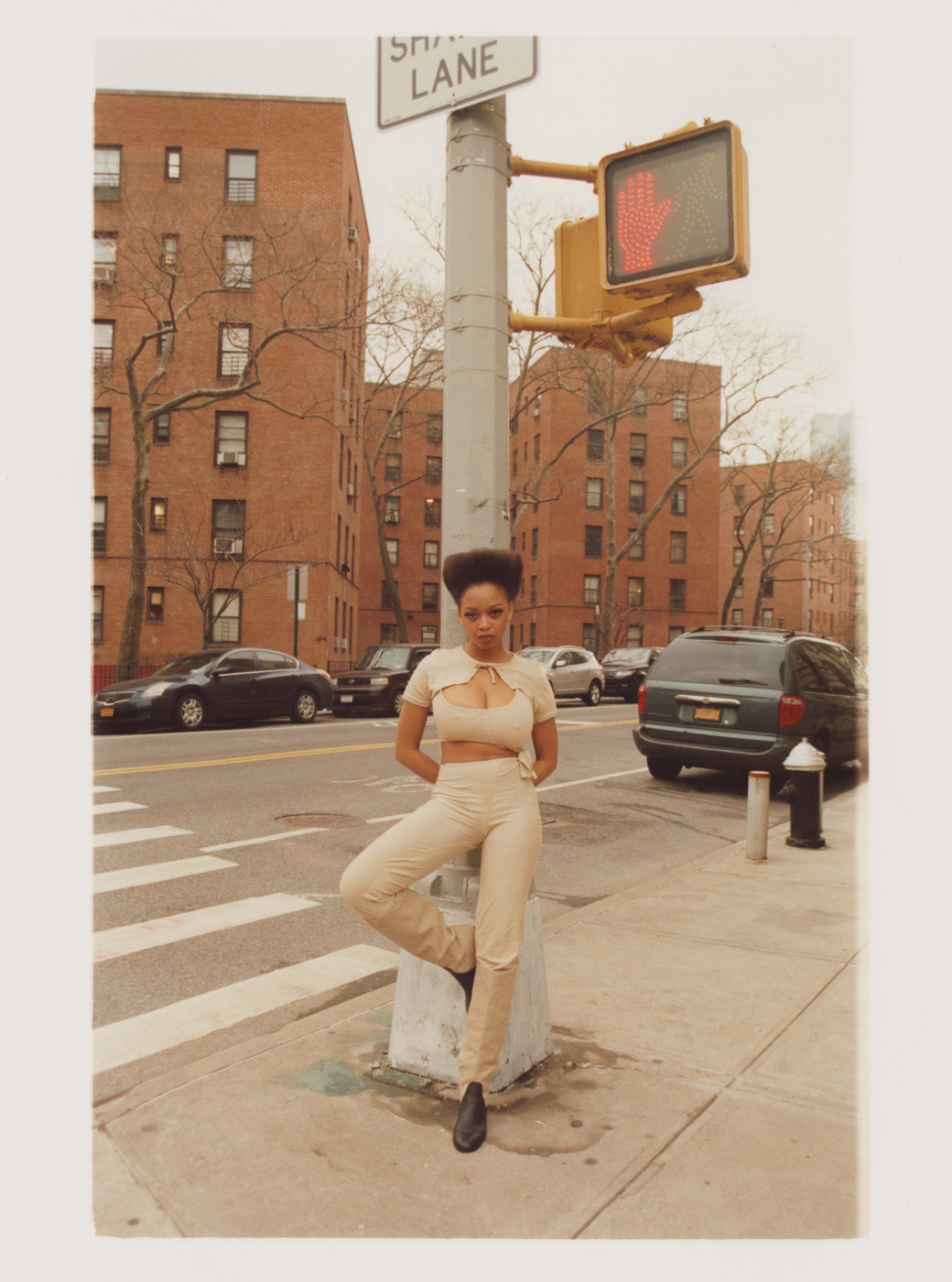
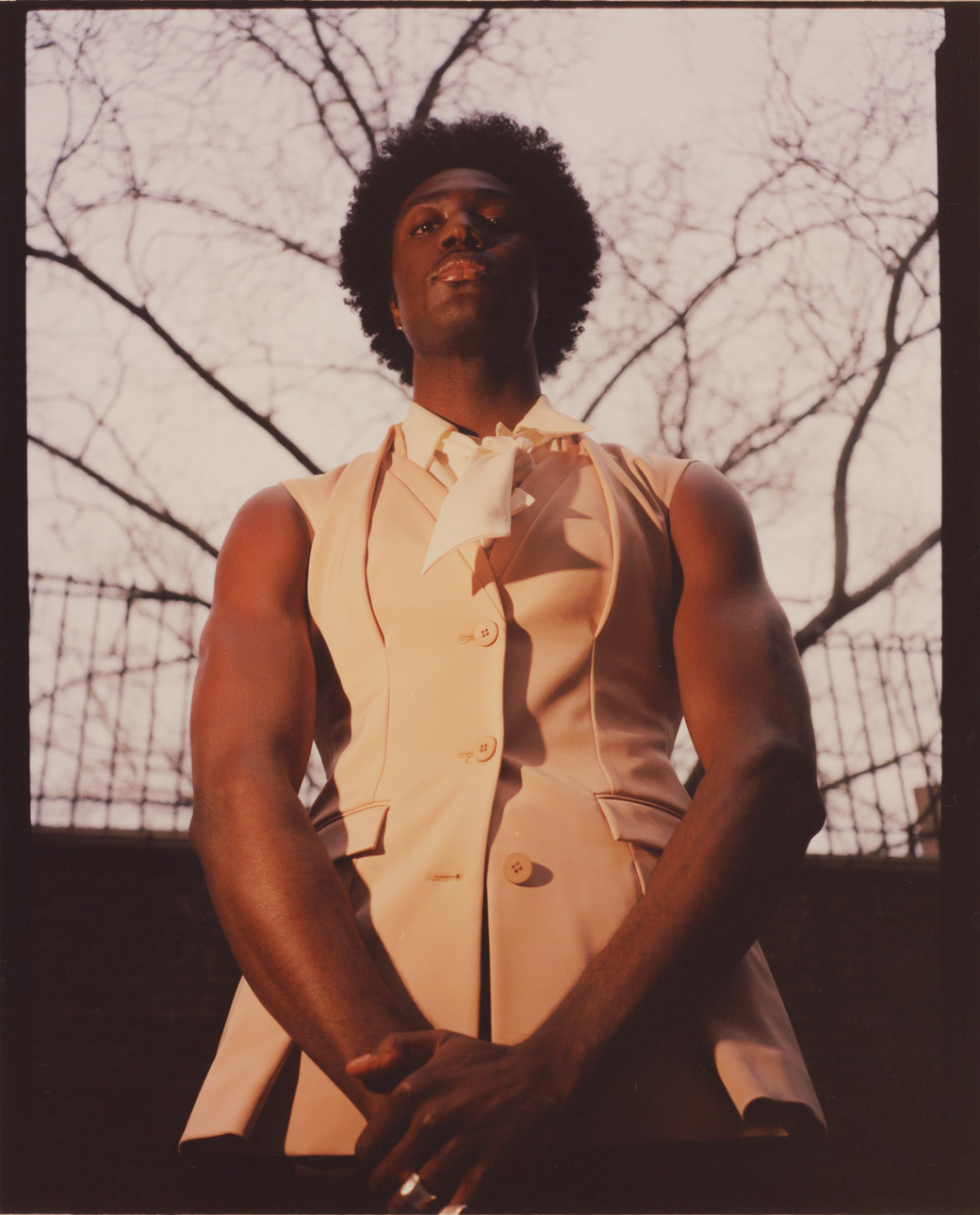
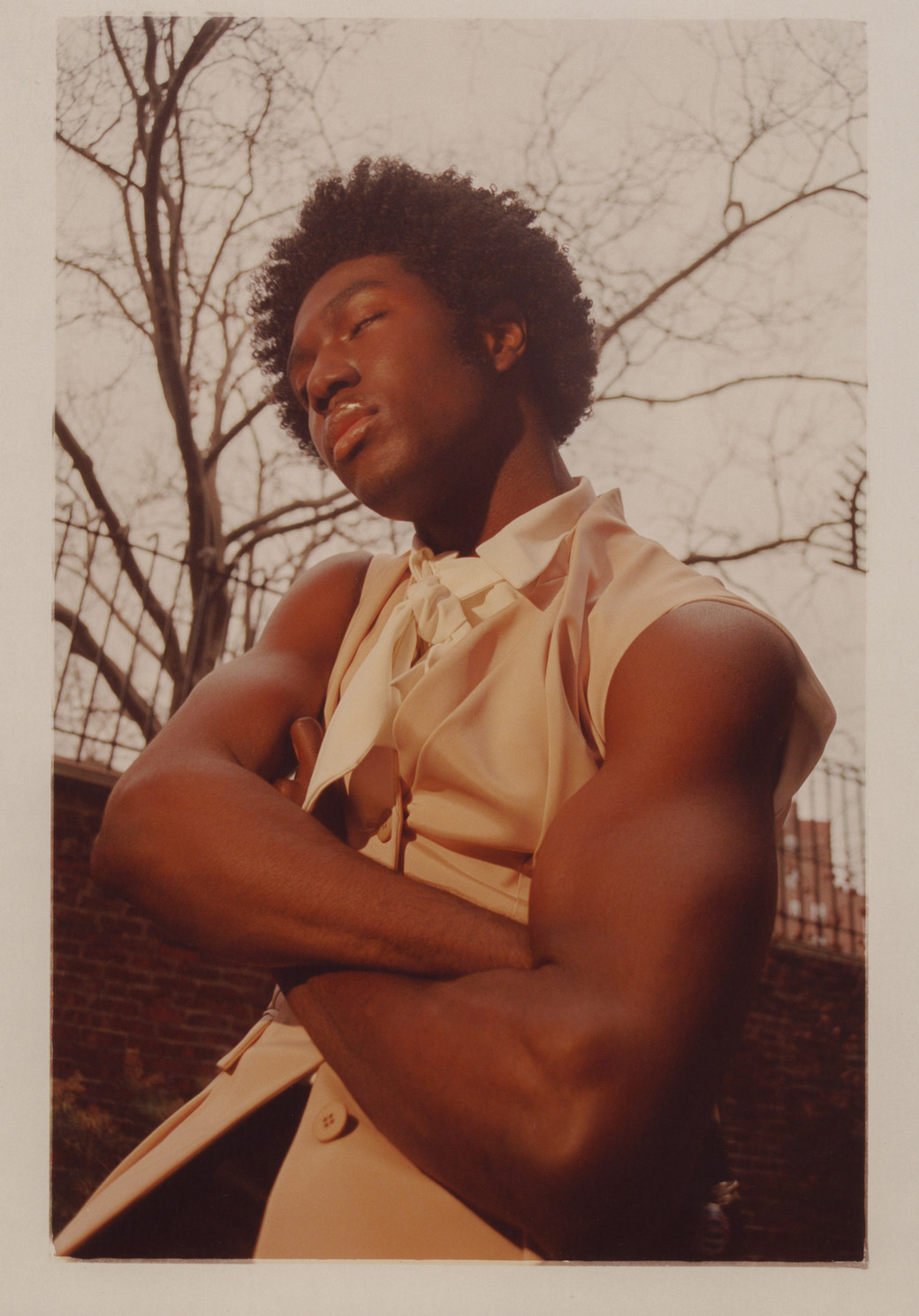
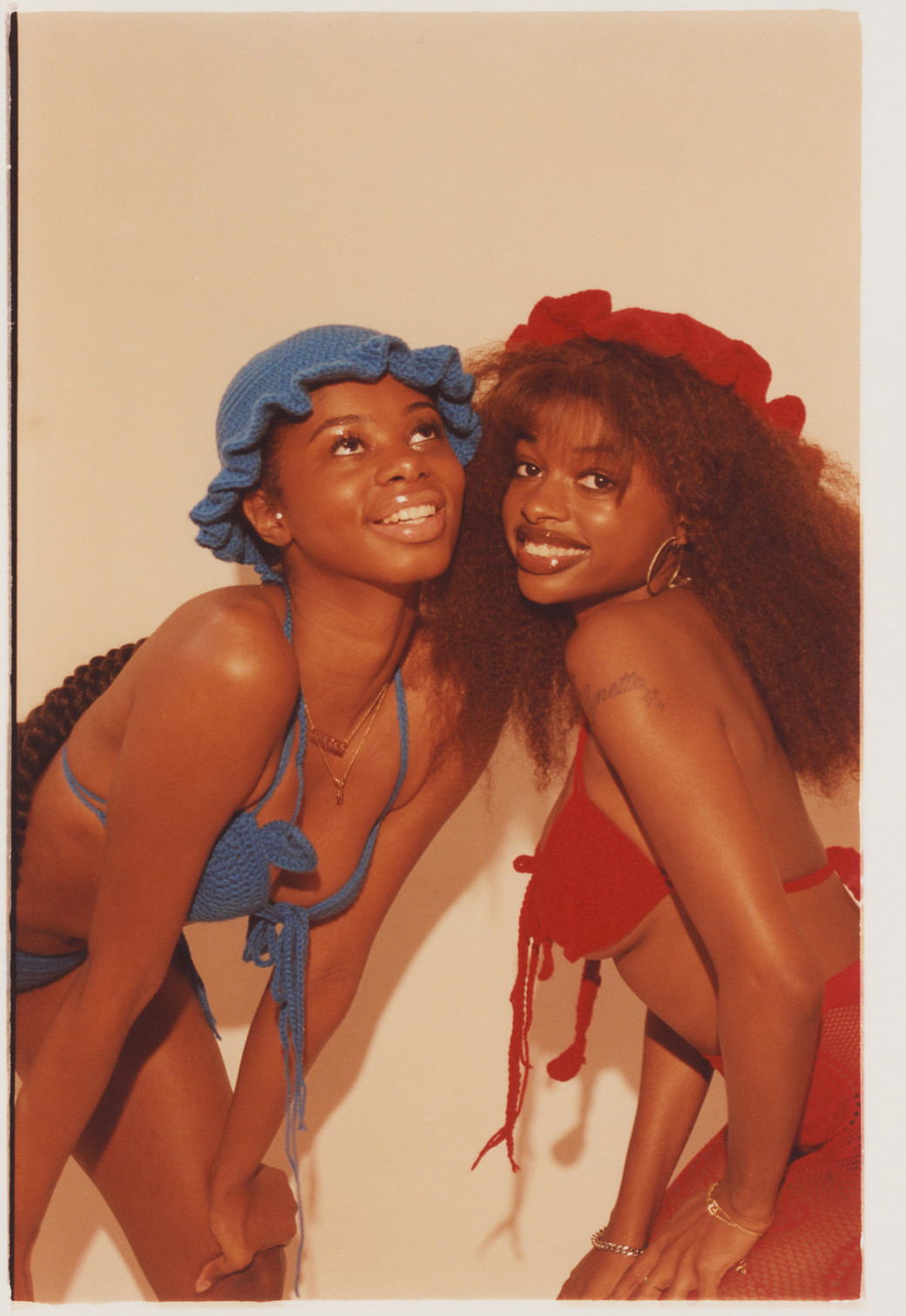
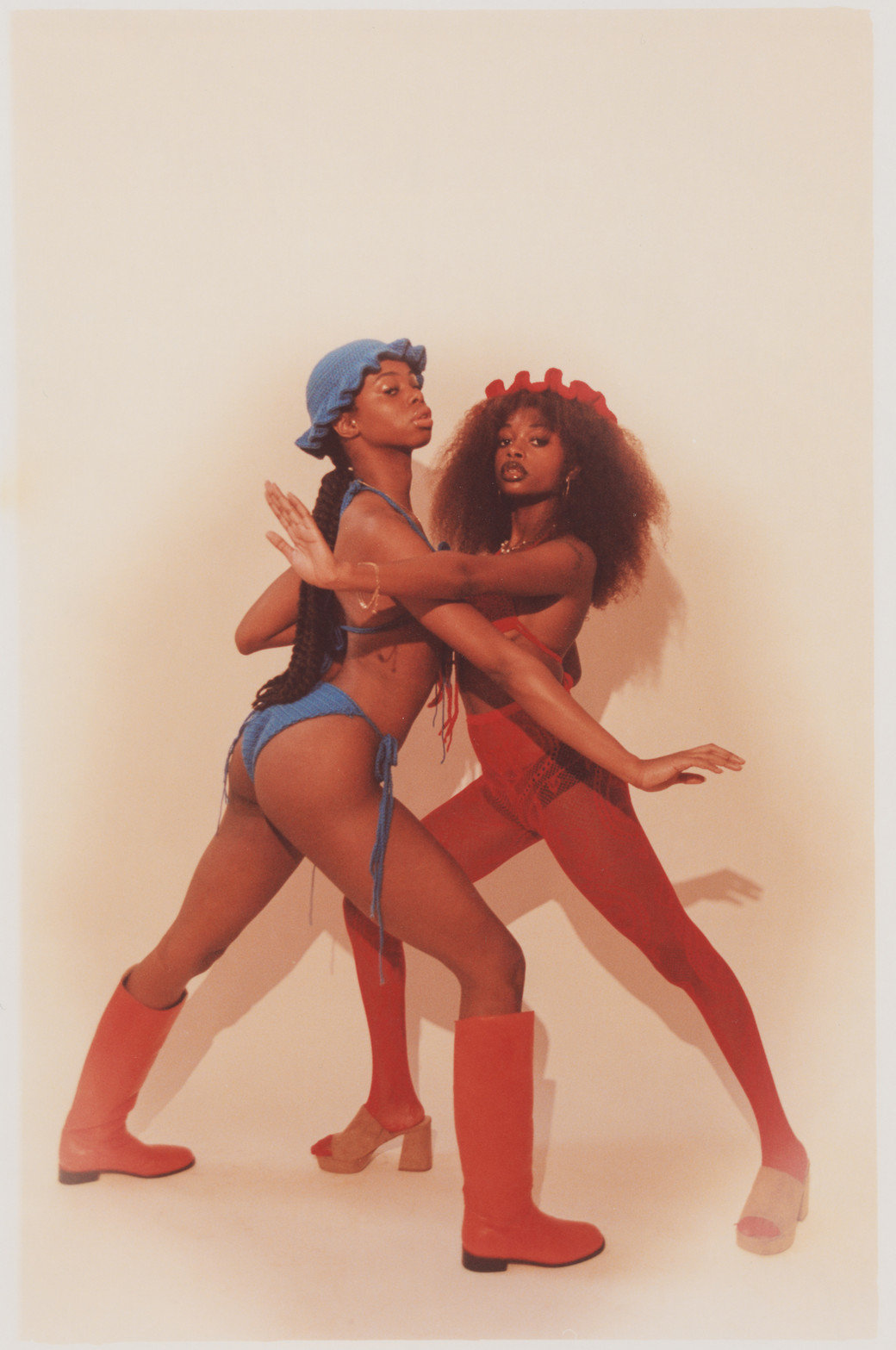
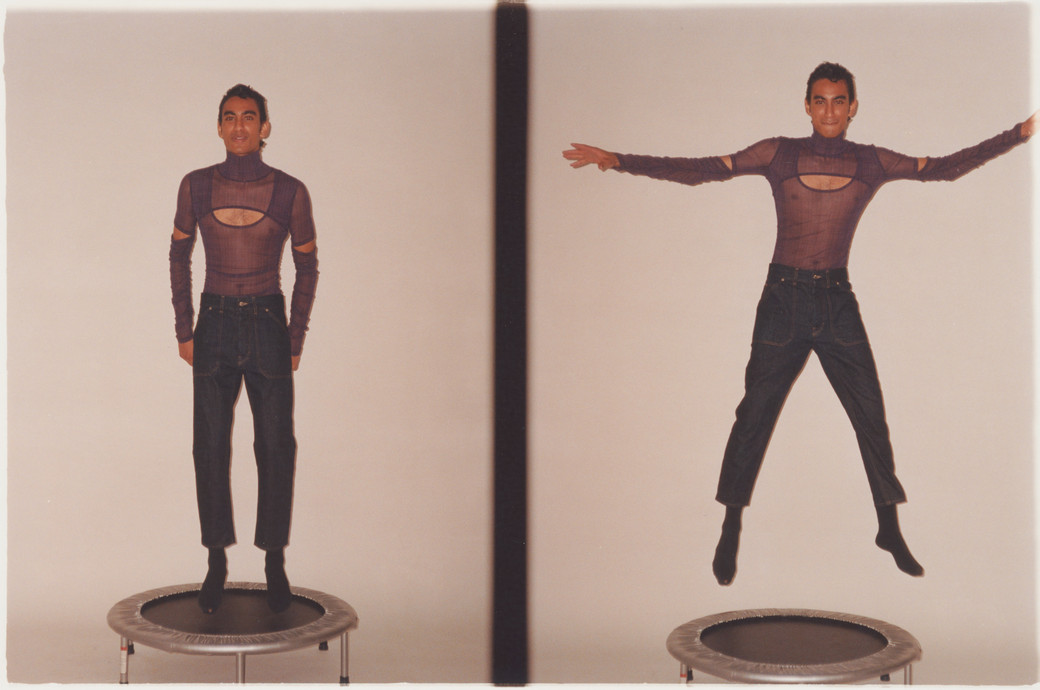
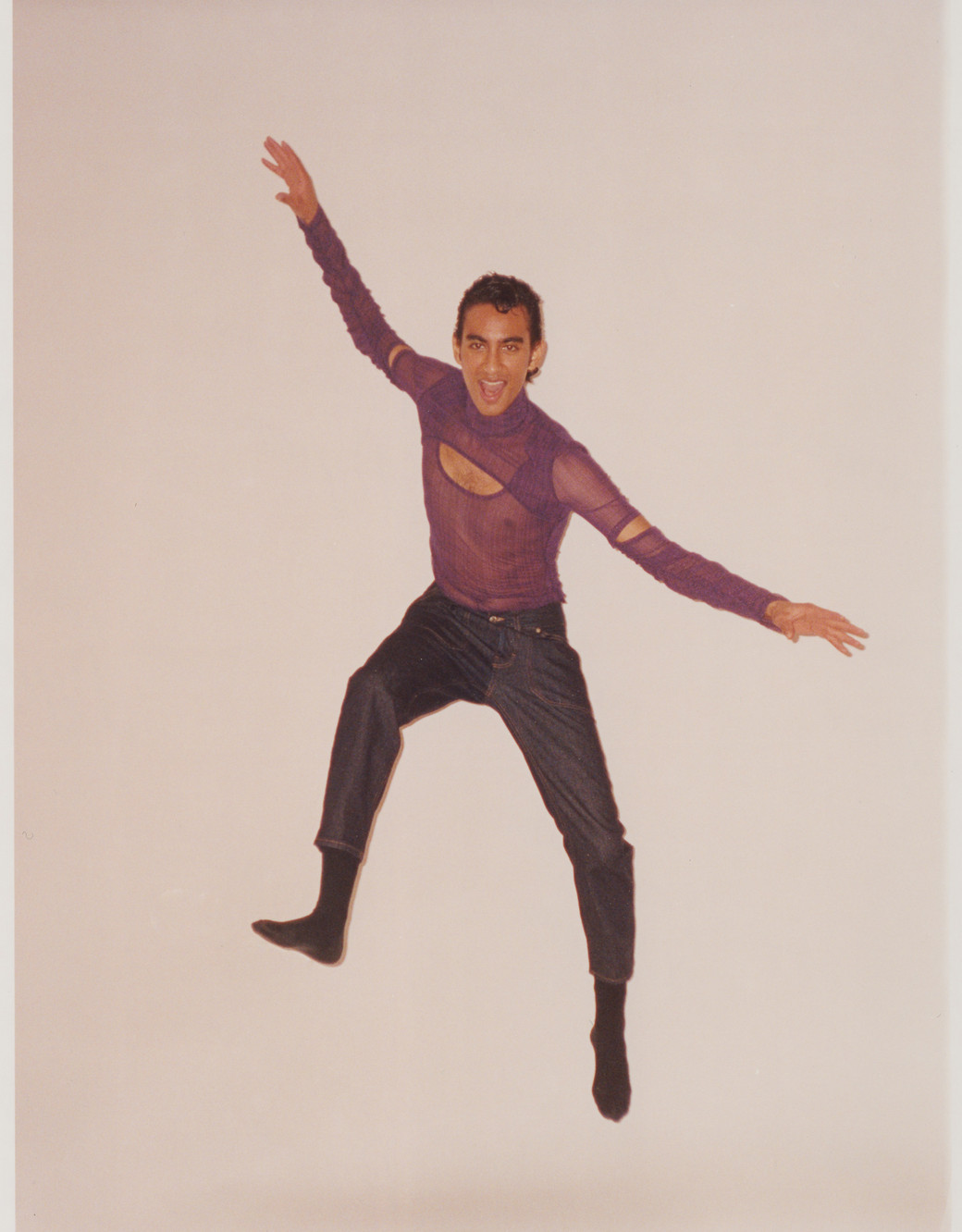
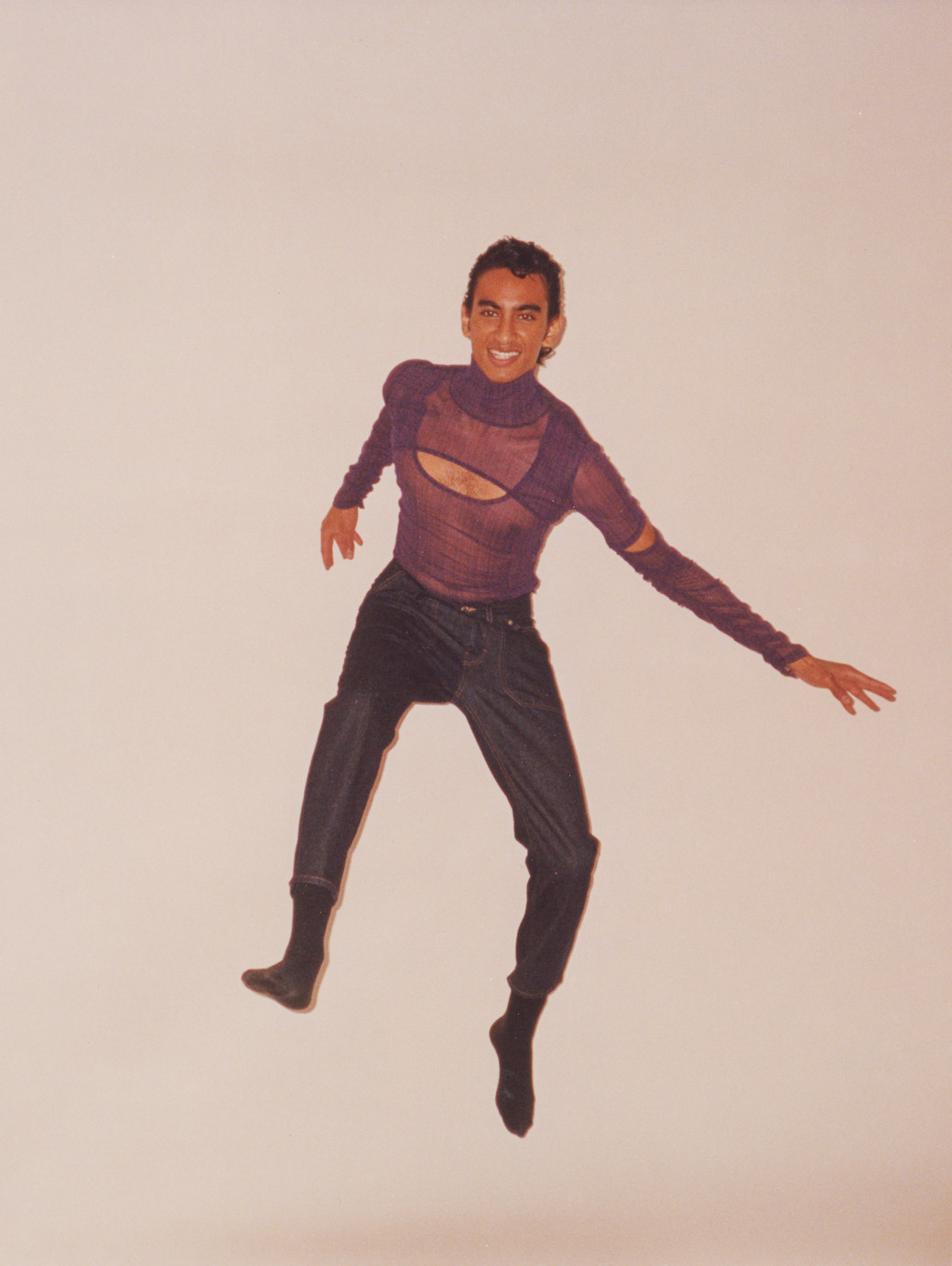
"Over the course of 24 hours, I invited over a handful of my favorite Black and Brown creatives to my space, and took their portraits individually or in pairs in ways that felt most liberating," says the artist. Visually, the images are saturated with warm and delicate tones signifying the sentimental essence of this series—reinforcing its relatively idealistic construction.
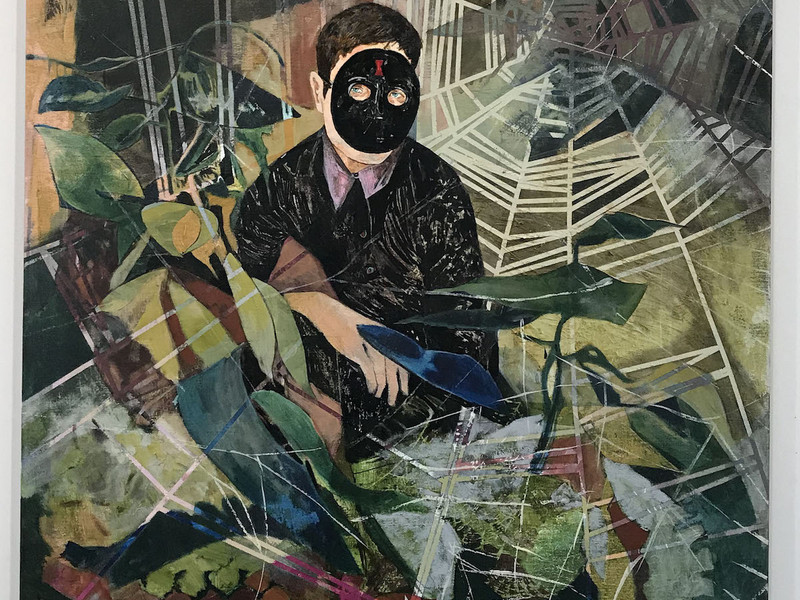
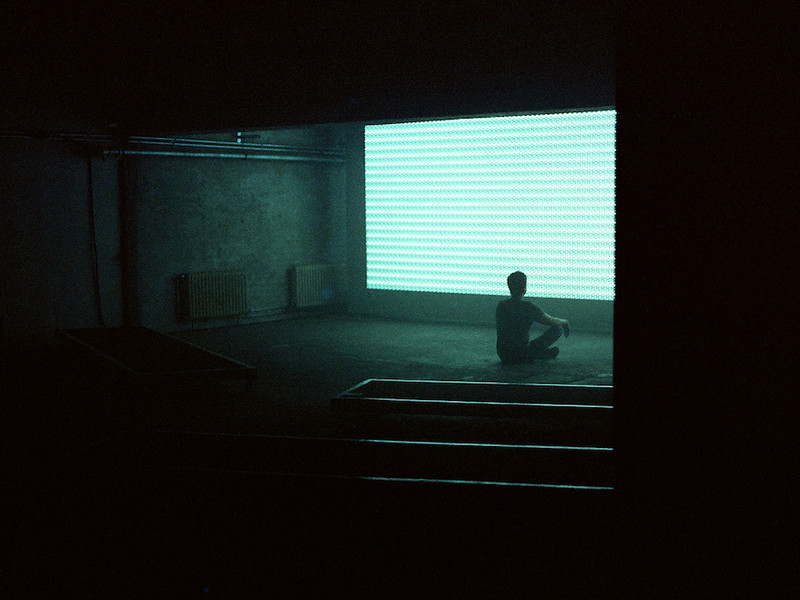
See the photo series below.