Vulvatious

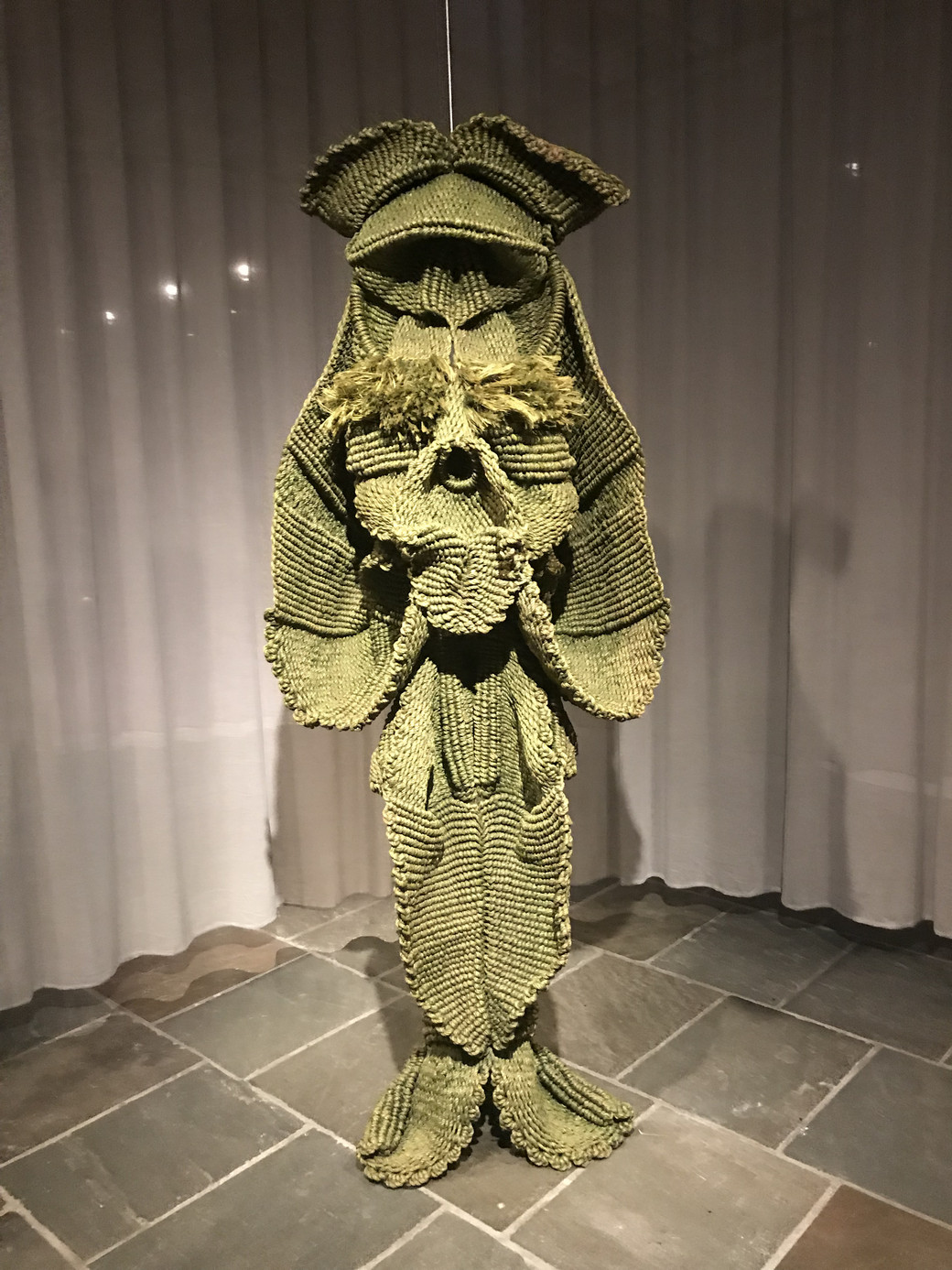
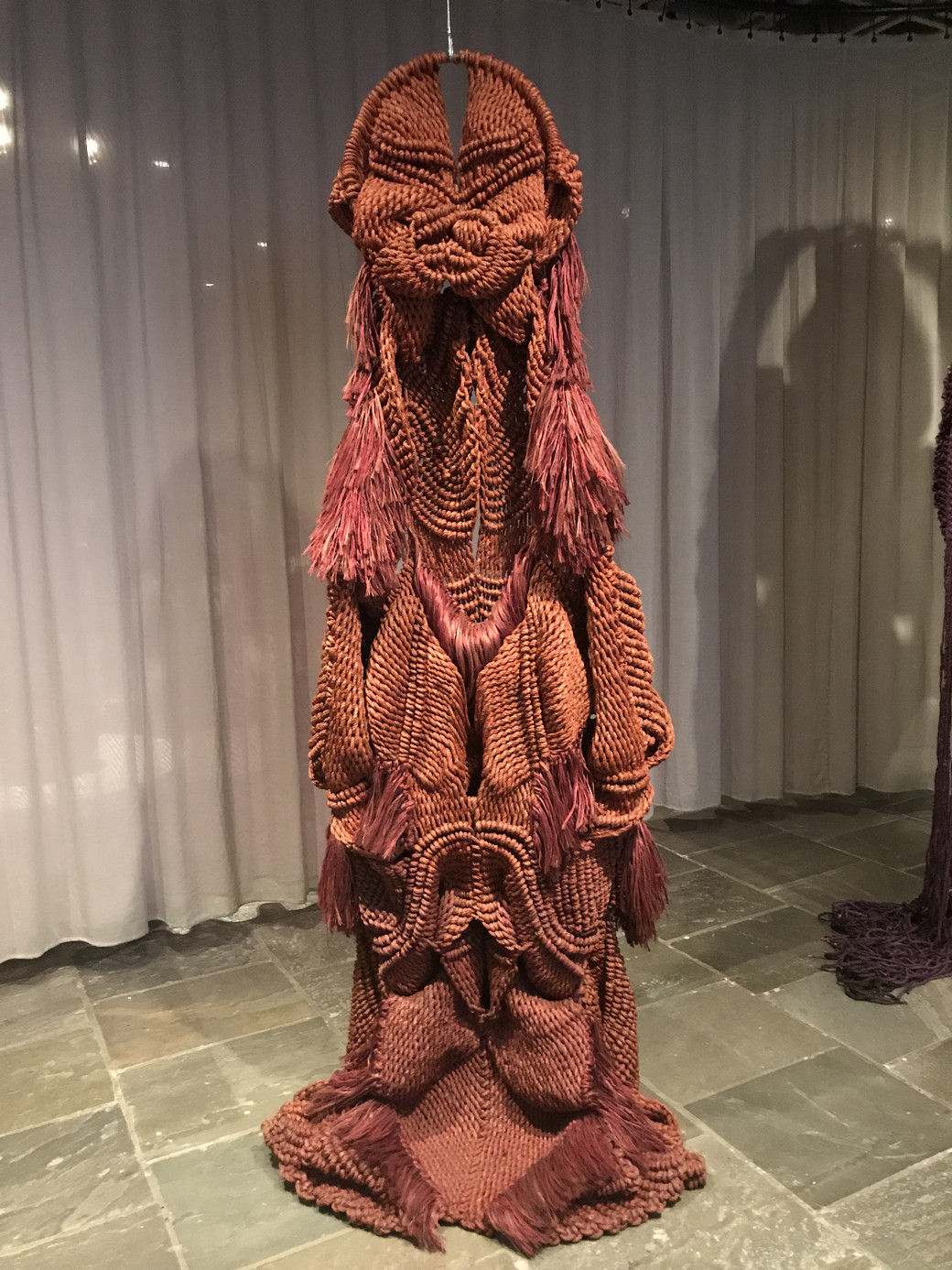
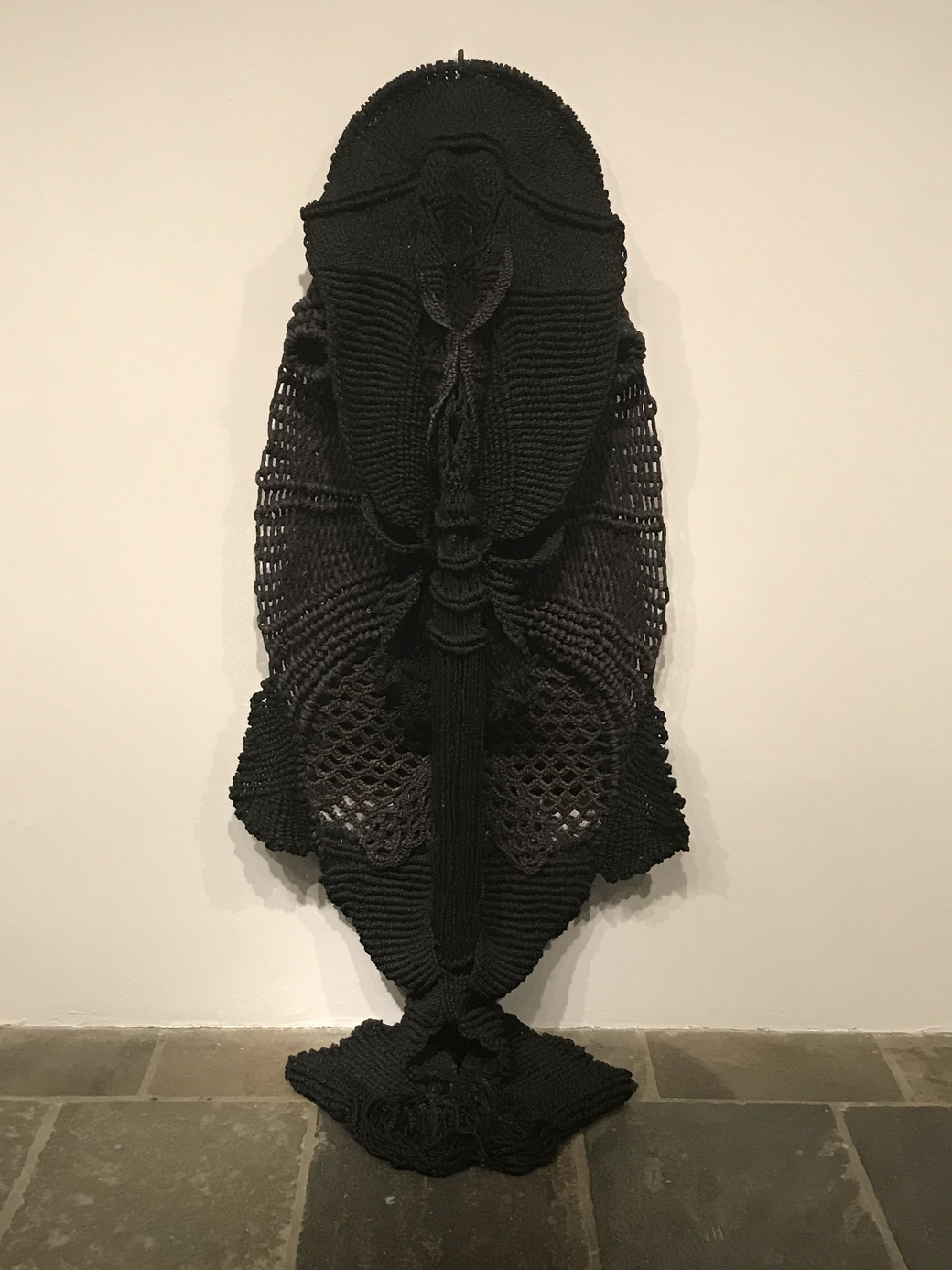
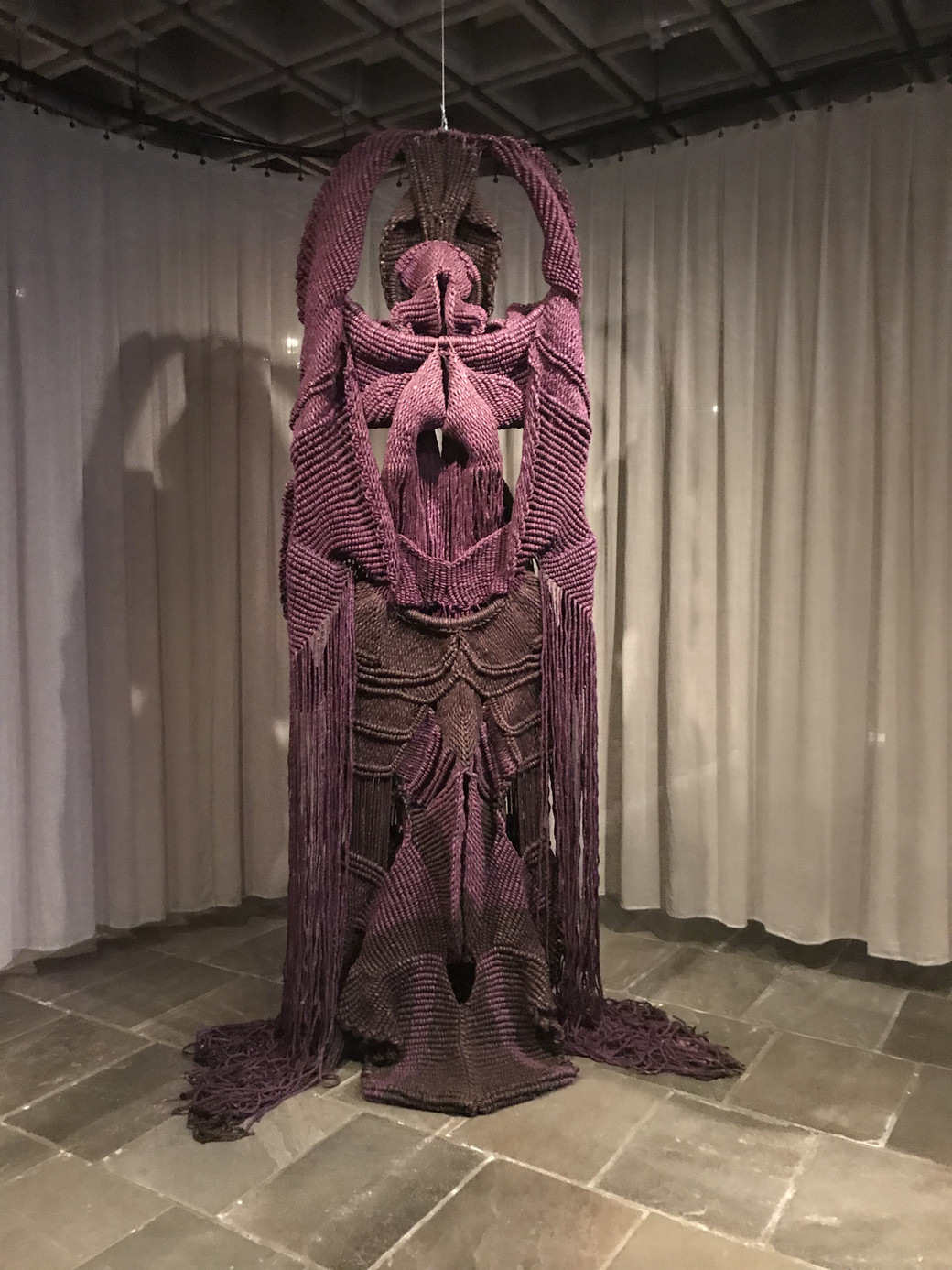
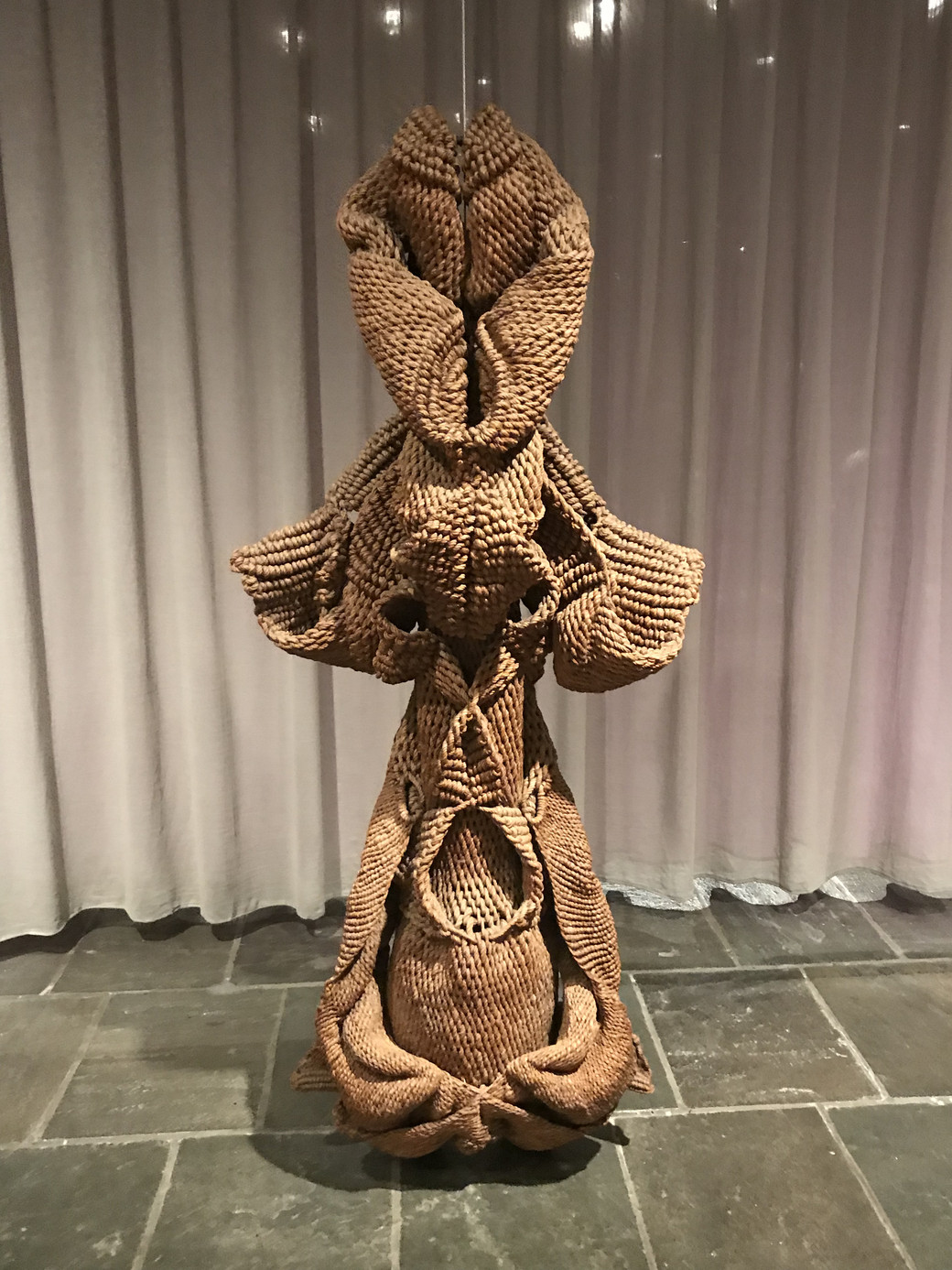
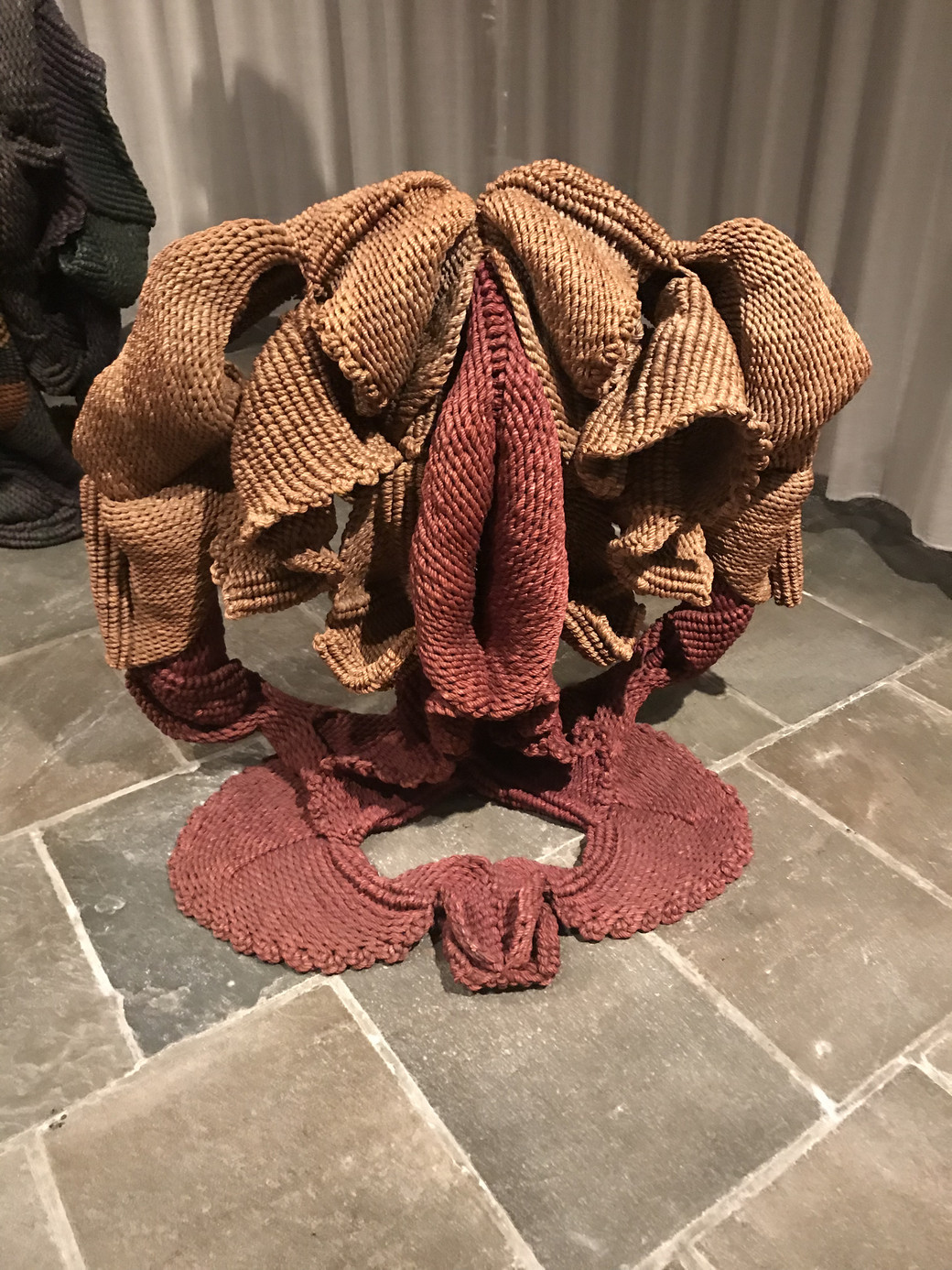
"Phenomenal Nature: Mrinalini Mukherjee" is on view at the Met Breuer through September 29th, 2019.
"Phenomenal Nature: Mrinalini Mukherjee" is on view at the Met Breuer through September 29th, 2019.
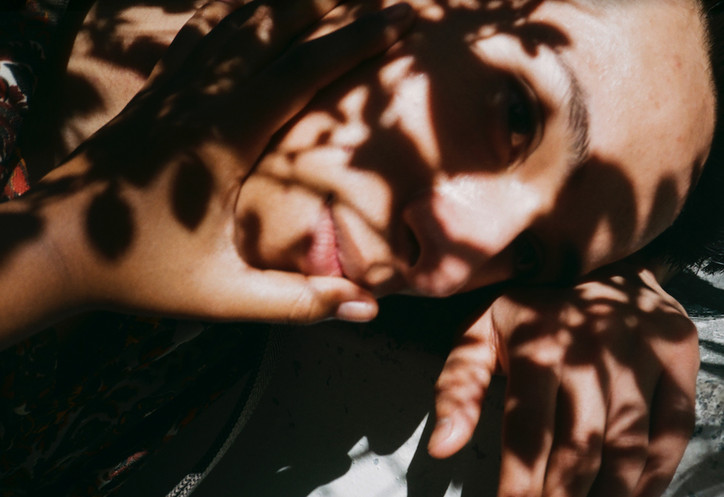
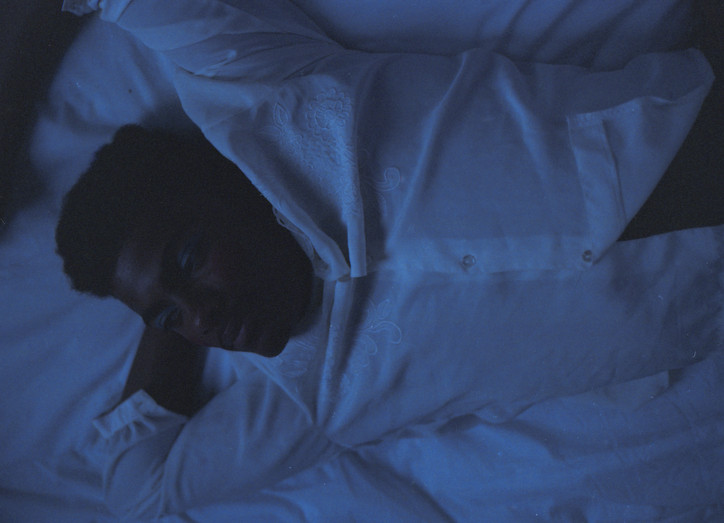
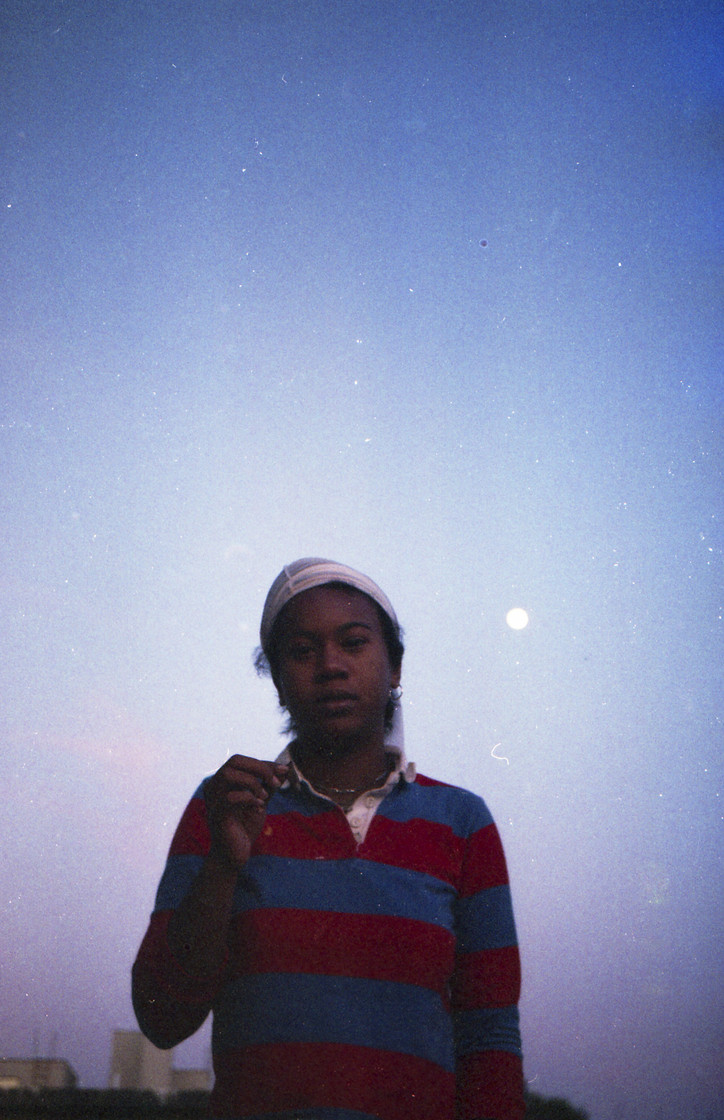
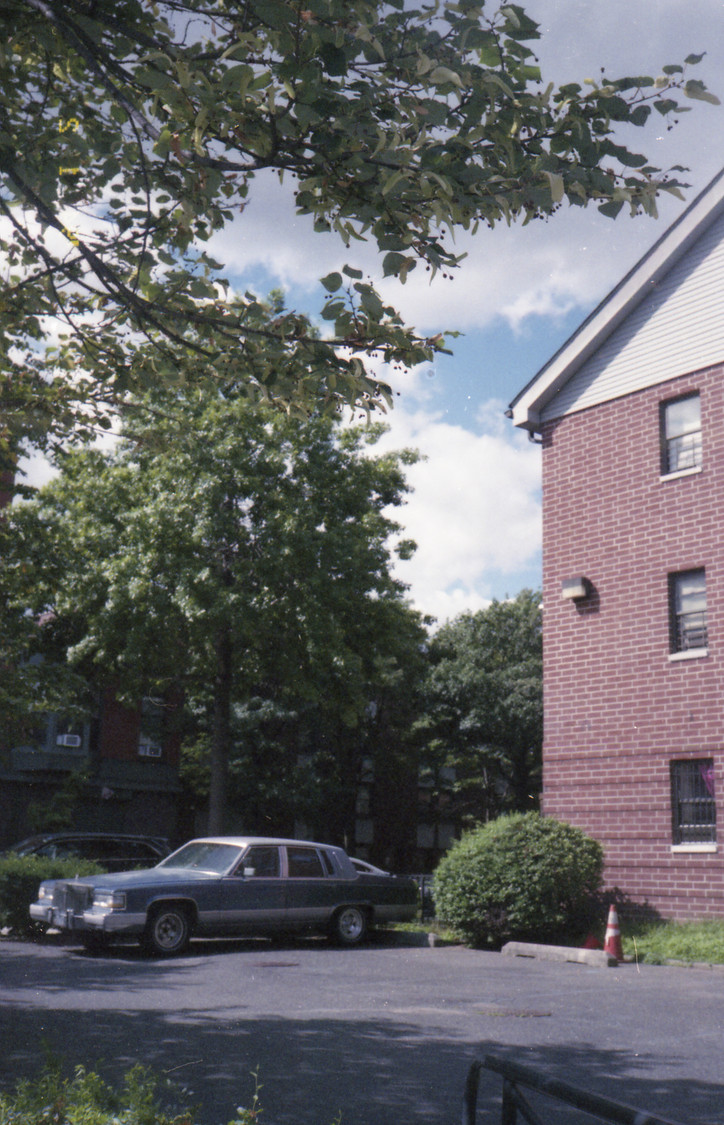
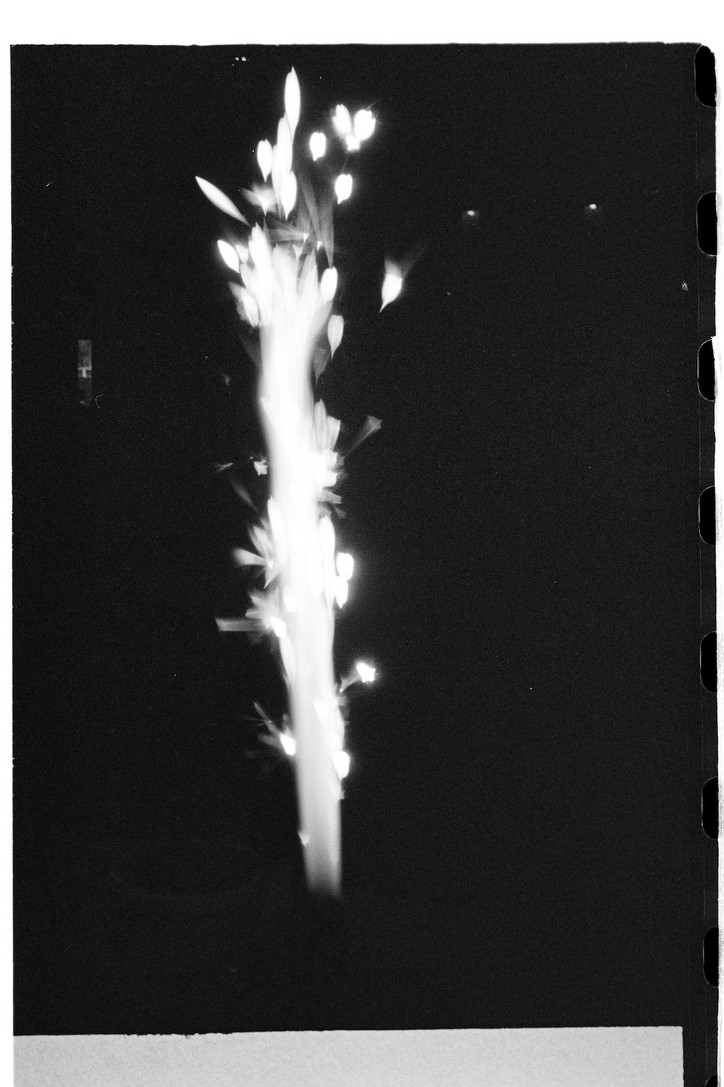
The result was an exhibition that juxtaposed sweet moments against the current era of socio-political unrest and racial tension, in which McGarrell envisions a future era that is decolonized and no longer centered on bodies of color and queer bodies being worth capital or labor. Though her proposed utopia is not free from oppression, lo-fi textures and moody hued photos offer viewers visual proof of a lived experienced that oscillates harmoniously between pain, love, and joy.
office sat down with McGarrell to talk about what she hopes viewers will take away from this new body of work and how their contribution to Art Hoe Collective has impacted their own creative practice.
When did you first start practicing photography? What do you like most about the medium?
When I was 10, my dad took us to Guyana in South America, where he was originally born. Before this trip he got a point-and-shoot camera as a rebate from Staples and gave it to me because I’d always been obsessed with toy cameras. For a while, I just fooled around but as I grew older I got more into it. Then in the 8th grade, one of my childhood best friend and her entire family passed away in a plane crash and I developed death anxiety and started documenting everything and photographing everyone I loved. What I like most about the medium is it’s potential to make moments into something seemingly eternal. Photography, especially film photography, promotes the illusion of longevity, and if I could make moments of warmth, happiness, and beauty last even a little bit longer, I would do anything to achieve that.
Do you prefer film or digital photography? Why?
I prefer film, but it’s fairly inaccessible to people of color. I think the privilege of being able to shoot film combined with its physical nature gives it a mysterious quality. Film allows us the ability to manipulate photos as if they were taken in any era, whether it’s from 1925 or 2015. Film photography creates these permanent objects and captures a moment’s tangibility. Like I said, I became obsessed with saving pieces of people. Film gives me a slice of someone’s reality that I can keep forever.
What inspired this body of work? What emotions and themes did you aim to capture?
This body of work was inspired by moments of sweetness and how we battle with oppression and our own mental health to enjoy them. I was inspired by cycles of love and death and white supremacy and how I fit into their grips. Some themes I wanted to cover were memories, the cycle of life and death, oppression, the feeling of peace, and reclamation of our bodies of color.
What’s the title of show and what does it mean for you?
The title of the show is “Dolce Far Niente”, an Italian phrase, meaning “the sweetness of doing nothing." I heard this phrase on a flight back in April. I was running away from New York at the time and in a headspace where I wanted to leave every negative thought behind me, but it had come from a place of whiteness and privilege, where I was trying to out-run my oppression. I sat and thought about romance languages and love and all the beautiful words that exist to define life and how people of color are never included in these sentiments. To me, it means reclaiming this notion of peace, that as POC, we have not been afforded.
Why did you choose to showcase symbolic objects alongside the photographs?
We decided to set the show up so that the viewers could be lured from my surface world into my mind. The symbols are archetypal symbols of blackness, mexicaness, and symbols of tradition. Many of us from different types of blackness share collective experiences yet, due to anti-blackness, separate ourselves from the typical notion of blackness. As someone who is a black latinx person, I wanted to comment on this melding of identities and acceptance of blackness as an identity with varying experiences. The objects also represent pieces of my childhood that oppressed me due to their relationship with colonialism. Topics such as religion, beauty, entertainment, and so on have all used the black and brown bodies to force their ideals on. The roses among other symbols represented this idea of life and death, in which we observe and appreciate beauty, but ultimately let it fade. Much of the lives of black and brown people are full of having to bury our families and friends due to oppression-lack of accessibility to healthcare, transphobia, gang violence, and poverty so I wanted to use general cultural markers that comment on capitalism and how it oppresses bodies of color.
How has working as a curator for Art Hoe Collective impacted your own creative practice?
My work as a curator has impacted my work by helping me realize the importance of creating work that is accessible. A lot of artists have the self-conception that being lofty and out of touch with this realm will give them a sense of importance or “specialness”, but as someone who finds themselves so intertwined with their community, I want to make something universal in a sense.
What’s your favorite image in the show, and why?
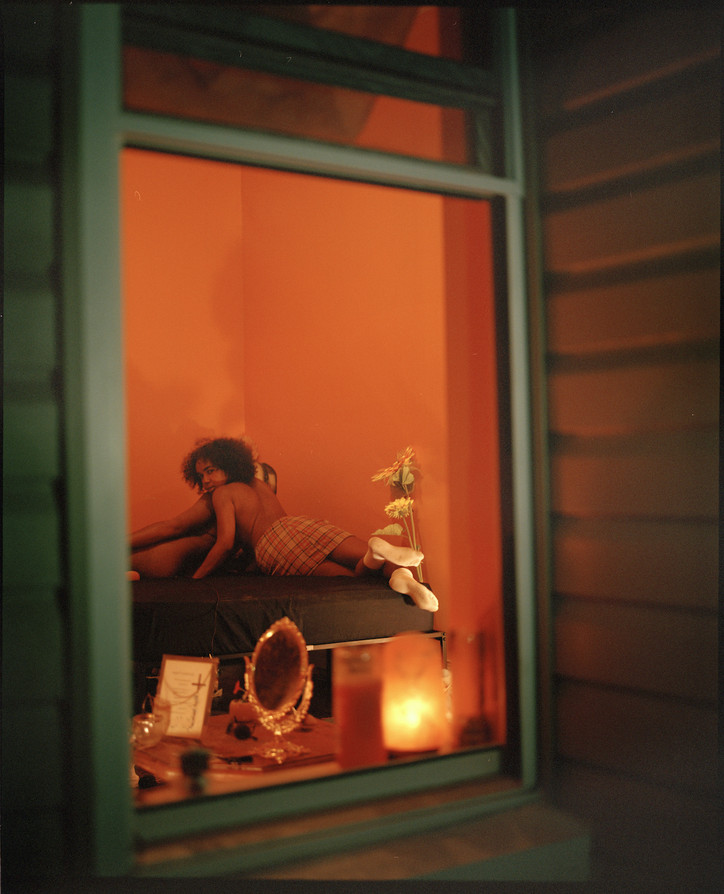
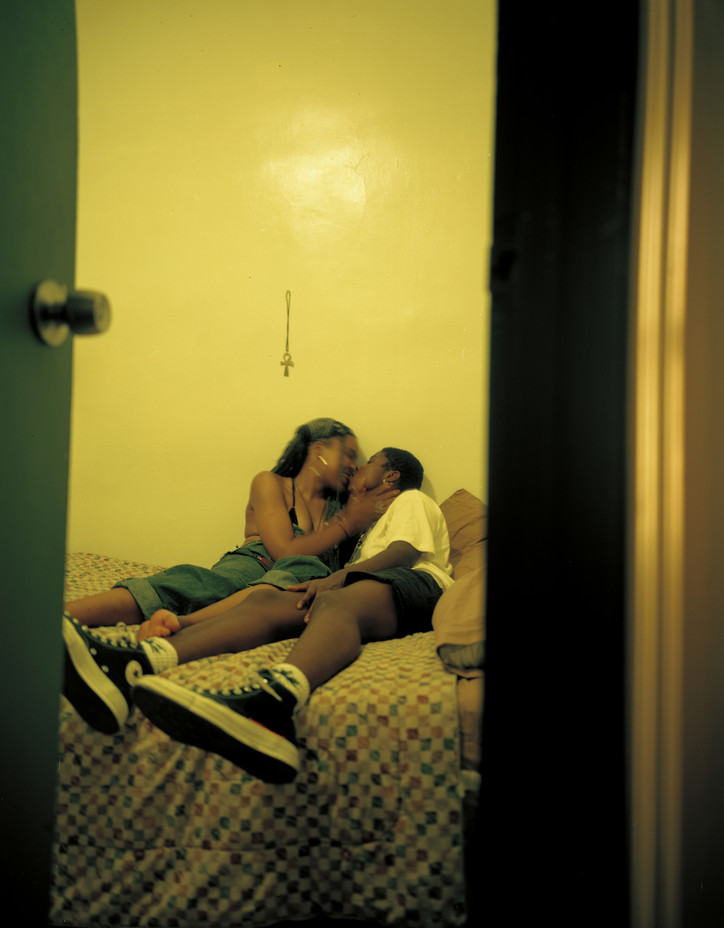
My favorite is definitely "let you in last night" (the one through the window). It’s a self portrait with a cable release going through the window. I think it’s my favorite because of the process and all the different thoughts and emotions that went into making one photograph.
I was deathly sick for about 2-3 weeks in June. My partner came to visit and I was having crying fits because I was too sick to go out and have fun and I felt so bad. Before they left to return to California, I had a barbecue and bunch of my friends came over and I had the worst fit of anxiety because I hadn’t seen anyone in so long and I was feeling overwhelmed and worried about being judged by my friends for whatever reason my anxiety episode produced. I was surrounded by queer people and I was still worried how my relationship would be perceived. At the barbecue, I looked through the window and saw my partner, in my room taking a deep breath, because they have anxiety, too, and I came to the conclusion that queerness and love and anxiety have always gone hand-in-hand for me, for so many of us.
I felt so voyeuristic having this moment of realisation looking into this window and started to think about all the voyeurs on black and brown queer and trans bodies, all the inquisitive looks and thoughts, that sought to not understand, but categories that adhere us to some sort of binary that’s understandable to them. I sat with these thoughts and eventually called up my friend Munachi, who is also gay, and shares with me, his struggle growing up in Delaware, a place where people like us are forced to move through the shadows with our love, and we shot 3 and this was the one. I saw it when I got the film back and I fell in love. The fact that I asked a different friend, a cishet man, to help me hold the camera while I fired it off and he tried to claim that it would be his photo if he acted as a human tripod. He tried to claim ownership over my ideas and over my queer body, and I had to find a way to do it myself, which was the cherry on top of it all. It seemed so fitting that in this idea talking about external forces judging, abusing, and profiting from people’s queerness that a straight man would say his assistance would make it his photo after I had focused the camera, set up the lighting and all the items that show in the shot, and had the self cable release to press the shutter, he’d still say that.
As I’ve gotten to know you better in the last few months it seems like two major through lines in your work are the power of vulnerability and community. Would you say that’s an accurate statement? What do those two concepts mean to you?
I’d say that’s definitely an accurate statement. I’m constantly analysing the ability to be honest and vulnerable in cultures that are extremely traditional, conservative and homophobic. Since I was a kid, I’ve been testing boundaries with my family about what is acceptable with my behaviour and appearance. These concepts together, discuss my desire to reclaim and transform my culture into something that can be sustained and passed to the next generation in the community. I am vulnerable to let people in, so they can see how I see myself, family, and surroundings. I let people in, because when you love and trust people, they become your community. Community has always been a big deal for me, living between the suburbs, where I was ostracised for my being, with my Mexican side of the family, where I was accepted but othered for my blackness, and with my black side of the family, where I was punished and not understood for being loud and expressive.
What do you hope viewers will take away from seeing these photographs?
I hope viewers will gain a reclamation of their bodies and their spaces of peace. I think in tumultuous times, we forget it’s okay to say, this is about me, or forget we’re allowed to react however we do to oppression and we have to take our space to rebuild our security. I hope they take away the fact that our cultures and what others deem weakness or use to oppress us, is our strength and what keeps the world colourful and beautiful. To be able to reclaim our bodies and cultures and use them as a tool to decolonize and be vulnerable, is to me the greatest desire of all because it’s freedom. To be personally free from the white standards of acceptability, yet still accept ourselves more than ever.
What's next for you?
The universe knows what to send us and when, where we're needed and for what. My plan is to just go along with the ride.

Tauba’s design, which features dynamic swirls of red and white splashed in jagged loops across the boat’s components, is modeled after a World War I maritime technique known as “dazzle camouflage.” Inspired by the avant-garde movements of the time, namely Cubism and Futurism, dazzle camouflage strove not to hide but to disorient, painted onto Ally ships to help them evade enemy attacks. Their spliced-up motifs and chaotic arrangements made them nearly impossible for enemies to target them with any accuracy, the tendencies of emergent abstract art movements lending themselves to the war effort in a bizarre but fortuitous twist.


“Dazzle is an unlikely kind of camouflage,” Tauba said before the boat’s inaugural trip. “It's not about hiding; it's about outwitting and confusing. It approaches a problem from the side, not from the front, which is something I think artists often have to offer.”
But Tauba took the concept even further than her 20th-century predecessors, incorporating the history of the John J. Harvey itself and drawing on fluid mechanics to inspire her design. The boat’s current decor is actually a scrambled version of the vessel’s traditional paint job, accomplished through the marbling process of dragging various combs through ink floating in fluid. What’s more, its main flag bears a red and white diagram of flow separation, a type of turbulence whereby the water behind a moving object flows backwards, forming a pattern of eddies. Tauba’s motif draws on aquatic references at every level, from its oyster-like concentric curves all the way down to the foundation on which the design is based.


“Decorative arts like paper marbling often contain wisdom about concepts like physics and the laws of nature,” Tauba explained. “A skilled marbler understands viscosity, sheer, and surface tension, but in a haptic rather than analytical way.” In other words, her undertaking is both a fusing and an extension of the many phenomena she’s working with: science, design, history, experience, and legacy.
In many ways, the dazzled John J. Harvey is an ode to the cyclical nature of our world, the way that time can fold back on itself and collapse the boundaries between art and life. More simply, it’s a much more exciting way to go see the Statue of Liberty (the ride includes a short water show employing the Harvey’s original fire-extinguishing features). If you’re worried about safety, fear not—even the life vests are dazzled.
Find out how to get tickets to Flow Separation here.

I’m obsessed with these objects you’ve created—tell me how they came to be.
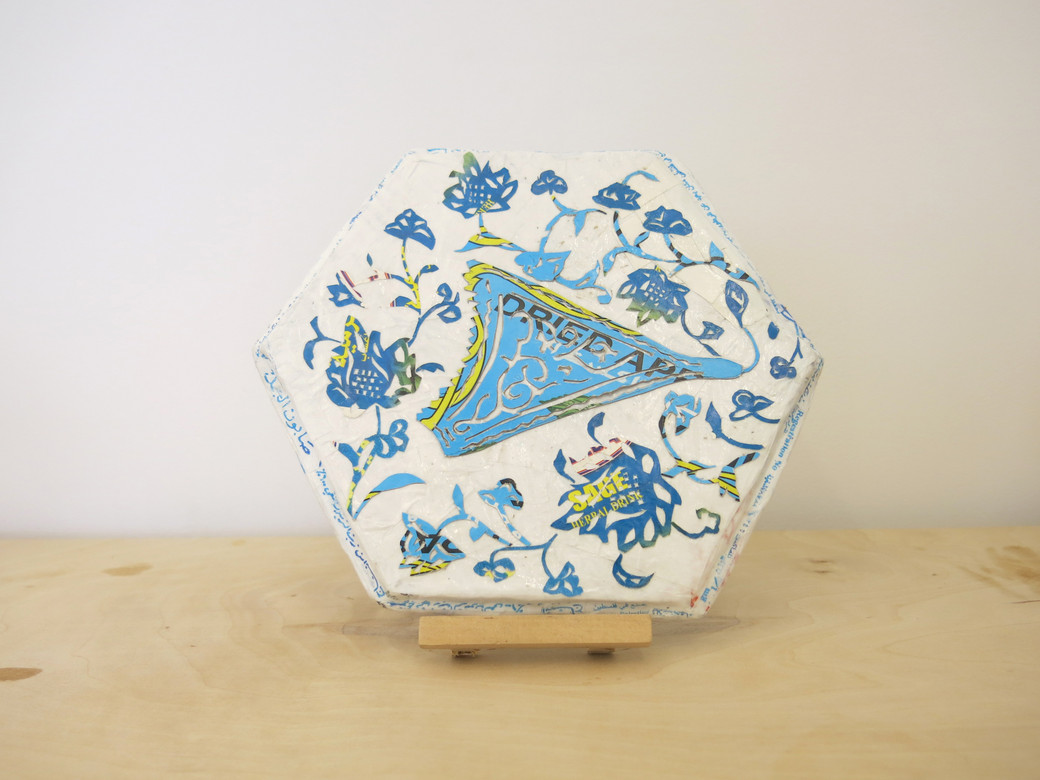
MR—The looting of the museum was the first moment of pathos that opened up during the Iraq War. It didn’t matter whether you were for or against the war, everyone agreed that it was a catastrophe and that this was a loss for the whole of the humanity. For me, this was a very angry project in that the outrage about lost artifacts didn’t translate into an outrage about lost lives.
I understood the looting of the Iraq Museum in April 2003 as one that was aware of the insatiable global antiquities market, largely created by museums and collectors in the West, and that for so many people this was their ticket out of the country, a liquidation of the past to save their future. At the same time, I try not to focus on low-hanging fruit and want to understand the complicated, messy ethics of a situation.
I worked closely on this project with Dr. Donny George Youkhanna, the former Director General of the Iraq Museum and President of the State Board of Antiquities and Heritage who was responsible for the recovery of more than half of the 15,000 missing artifacts. He told amazing stories about the works. Some are replicated as quotes contained within the accession cards that accompany artifacts displayed within this ongoing project.
“This piece has a very nice story. It was taken by two young men during the looting—they took nine very nice pieces to their houses. They came to us after the looting and they said, 'Don't ask for our names or addresses. We were in the museum at the time of the looting. We felt very sorry because we could not stop anything.' Then they decided they would take things and bring them back when it was safe. And they did it. As soon as we had the American soldiers protecting the museum, they brought back the nine pieces.” —Dr. Donny George
I was also very interested in the discomfort I felt when he told me this, which again is reproduced among the accession cards: “Immediately following the looting, I heard of Iraqis in London who visited Room 56 in the British Museum to make sure something of their heritage was left. Before that, they were critical of the museum for housing things they felt belonged back in Iraq. Now, knowing they themselves could never go back, those objects were no longer contested in their view but were refugees, and safe, like them.”


How do you feel like museums function in today’s culture? Are they still relevant?
I do think museums are absolutely still relevant today, for many reasons, not least of which is the fact that it keeps the traces of problems and failures alive. At age 10, my family traveled to London only two months after my grandmother passed away. She was our last link in our immediate family to Iraq, and we went to visit my uncle Niyazi and my auntie Tiffeh, who emigrated from Iraq at the same time as my grandparents, but decided to settle in London. The visit allowed us to reconnect with family and cross another bridge back in time to Baghdad. During our visit, my parents took me and my brothers to the British Museum where we visited the Assyrian Lion Hunt friezes, or The Lion Hunt of Ashurbanipal. In that room, sitting on a bench and looking with wonder at the carved panels, my mother told me that each carving was sequential, and that made this work from the 7th Century BCE the oldest comic book in the world. Then she told me it came from the place that she and my grandparents came from—modern day Iraq. I immediately wondered what it was doing in London. This was the moment when I really began questioning the authority and the very foundations of the Western imperial or encyclopedic museum. I wondered, did the museums in Baghdad have a piece of Stonehenge in exchange for these relics from Nineveh? What is the art scene of Iraq like? There is a very important art scene in Iraq, and for Iraqis outside of Iraq in cities like Amman, London, Los Angeles, etc. But I have never been to Iraq. A better resource for answering this question is Dr. Nada Shabout, an Iraqi art historian and professor, specializing in modern and contemporary Iraqi art.


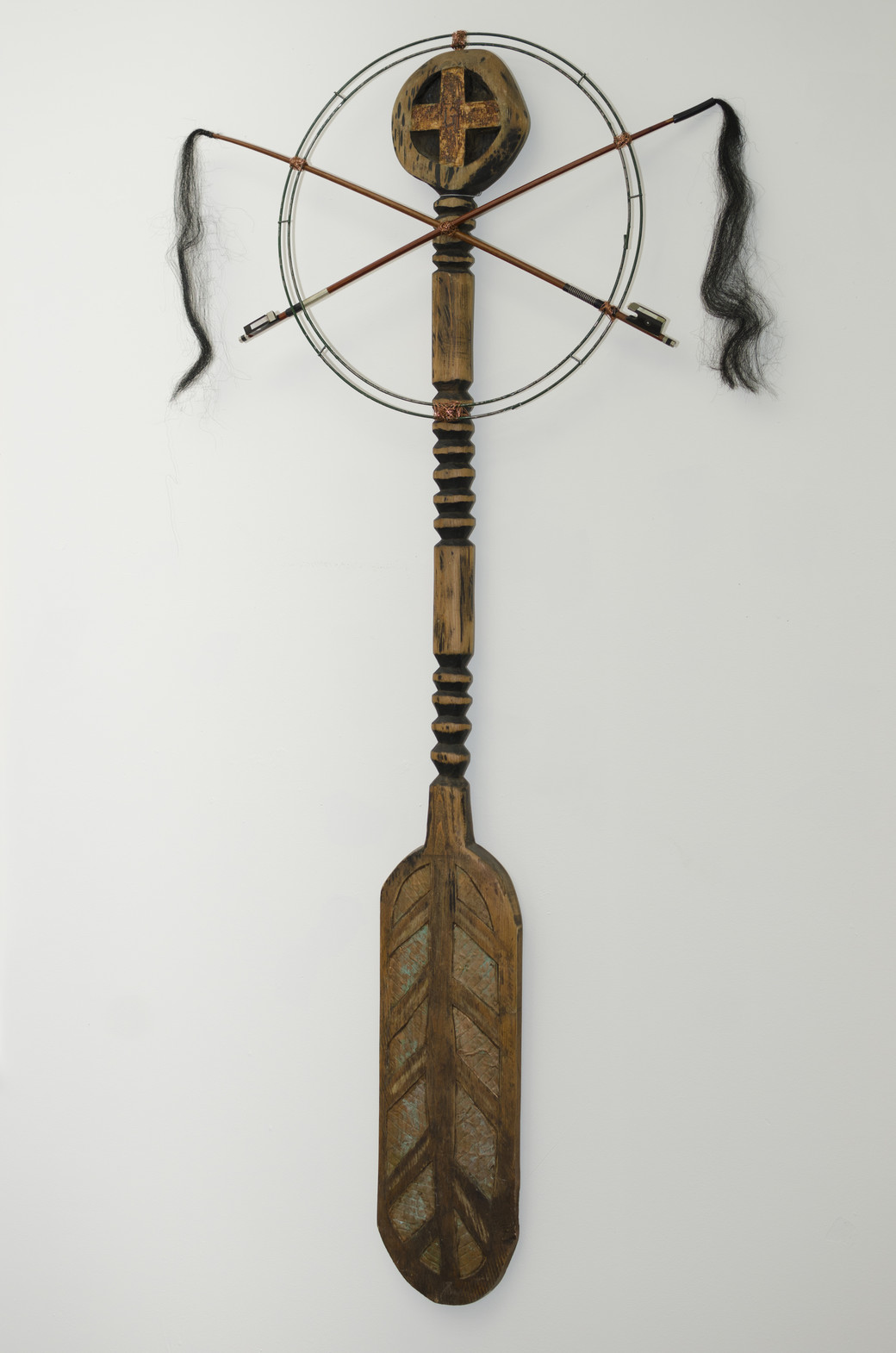
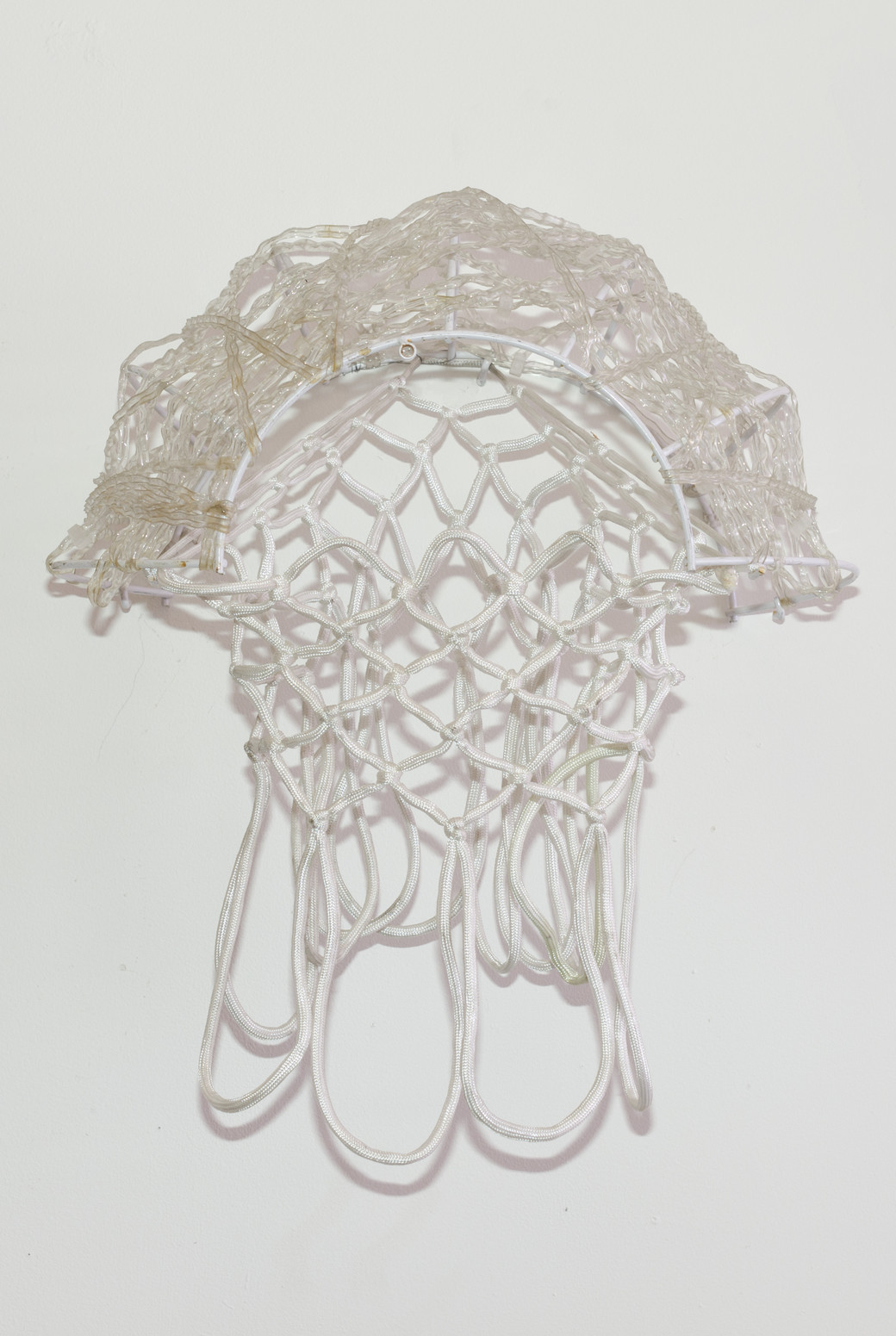
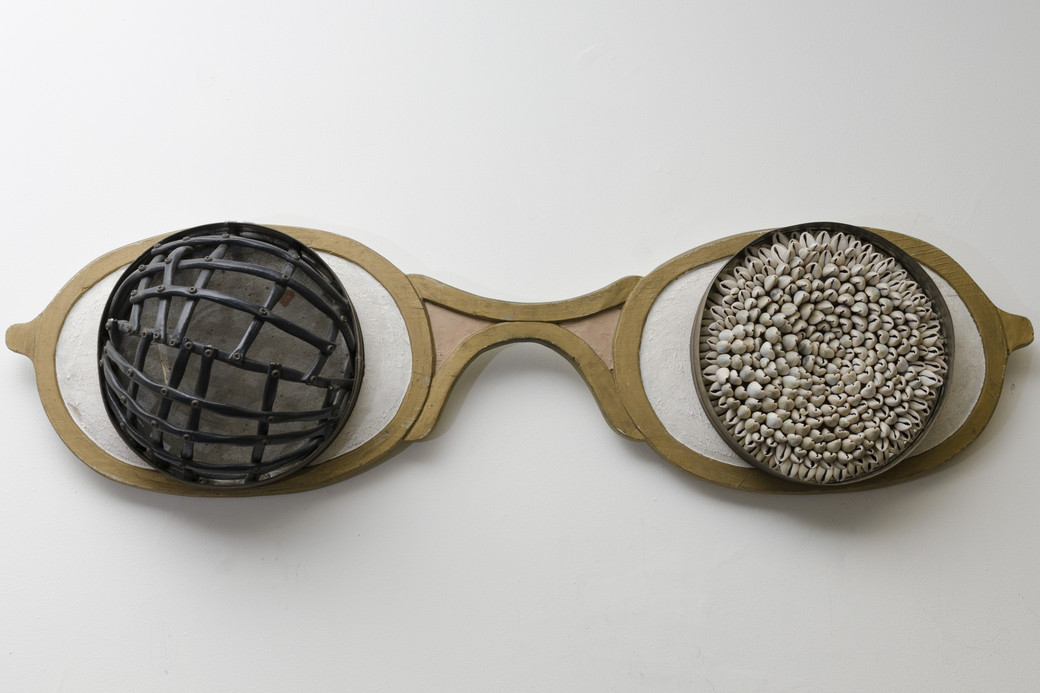
Above left: Michael Kelly Williams. "Wodakota", 2017. Mixed media sculpture in wood, leather, plastic, wire, metal. Courtesy of the artist. Above right: Michael Kelly Williams. "M’Boom", 2016. mixed media sculpture in steel, wood, iron, acrylic, glass, brass, and paint. Courtesy of the artist.
How do you find the things you use in your work? Any interesting stories?
MKW—In creating my sculptures, the process is two-fold: first, I find the objects themselves. Then, I assemble them. I find a lot of items on the street. For example, one summer evening while walking with my wife along Amsterdam Avenue near our home in Harlem, we happened upon a huge triangular broom which had broken off of a street sweeper. Another walk in our neighborhood, this time along Riverside Drive, yielded a weathered fragment of a piano keyboard. I eventually incorporated both of these objects into works of art.
What is it about found objects that speaks to you? What do they lend to your art, and how are they different from something you created by yourself?
I look for materials that draw me to them, that call out to me. At times, I may be attracted to the pure form, but usually it is the energy radiating within the object in an almost animistic way. I use materials that I view as being loaded with power or symbolic properties. I have been lucky to have found remnants of musical instruments, which to me still resonate with sound and music. I use materials that are seen as charged with their prior usage and practice. I also collect objects that can be read to have multiple meanings or allude to works of poetry, literature or myths. These collected objects are then repurposed through alteration, arrangement and construction to create assemblages. I see this creative process as relating to poetry in creating metaphors of meaning as the juxtaposition of materials interact and merge as a whole. I have at times carved a choice piece of found wood and then combined it with other objects. I have also used paint, but more often than not, I have left the natural patina of the objects untouched.
As an artist, I feel I have an obligation to create the best art I can possibly create. However, I don’t live in a vacuum. As a person of color in this society and in this world today, I also feel a responsibility to speak out on issues of social injustice and inequality, and in so doing, I hope my art helps to shine light on these issues and at the least brings on more empathy.


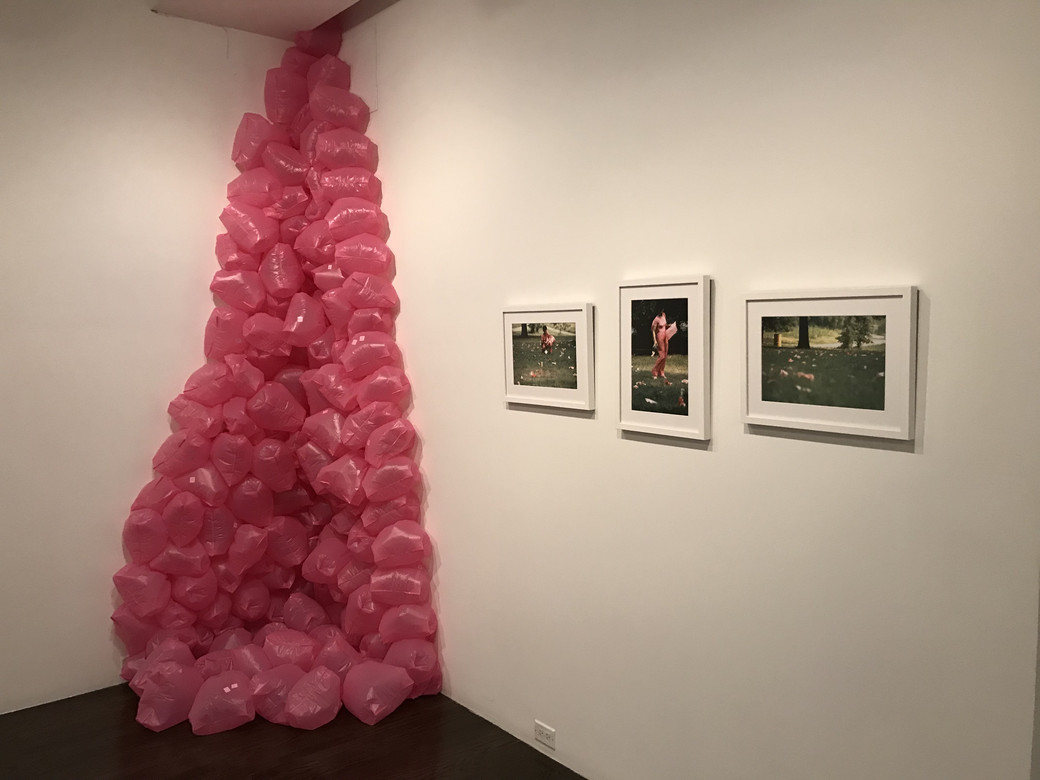
Above: Shinique Smith, Installation view of Untitled (Rodeo Beach Bundle), 2007. Digital c-type print. Courtesy of the artist.
Where have these bundles come from?
SS—Instinct. Instinctual, ritualistic tying and accidental geometries used to combine—histories, memories, compositional elements that are imbued with the energy of their previous life and both into one equalizing form.
What are these creations informed by? Is there a personal connection?
They are informed by my hand, by the materials I use—soft objects, belongings once beloved, consumed and then discarded, which resonate on both a personal and social scale.
What is hidden in the center?
Potential energy.

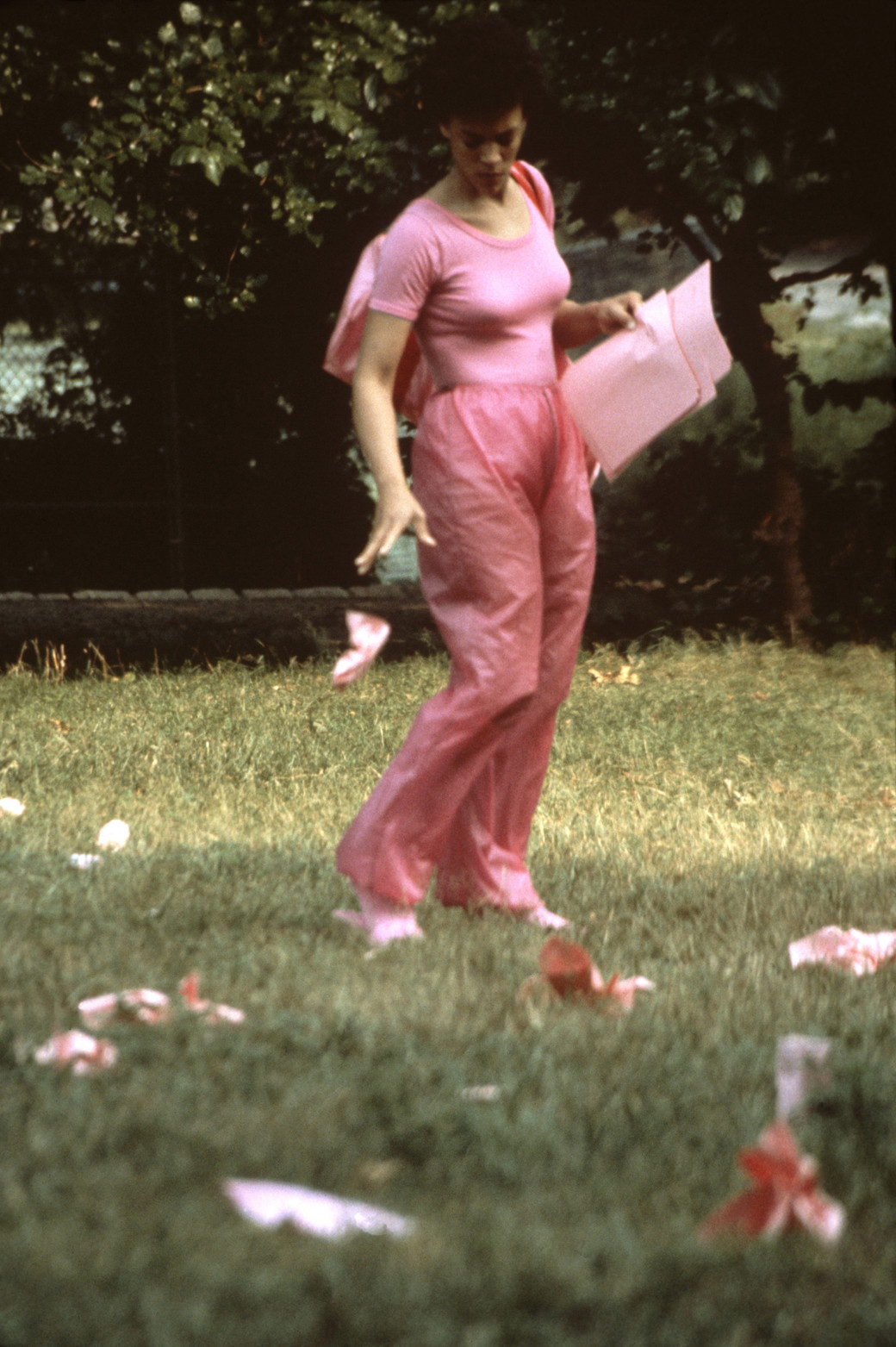



Cover image: Shinique Smith's "Untitled (Rodeo Beach Bundle)", depicting the artist wearing an outfit made of trash on the beach.