Vulvatious

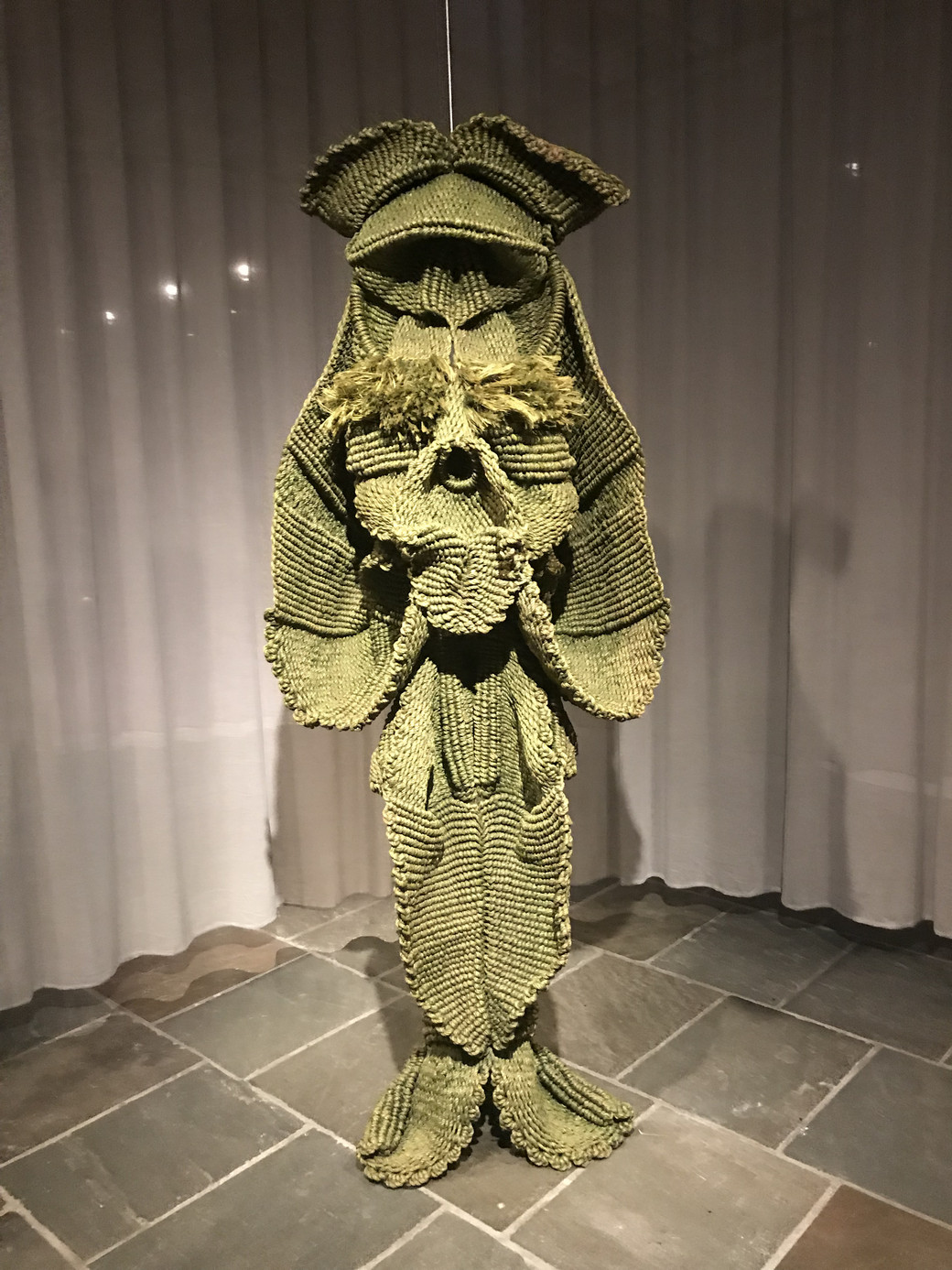
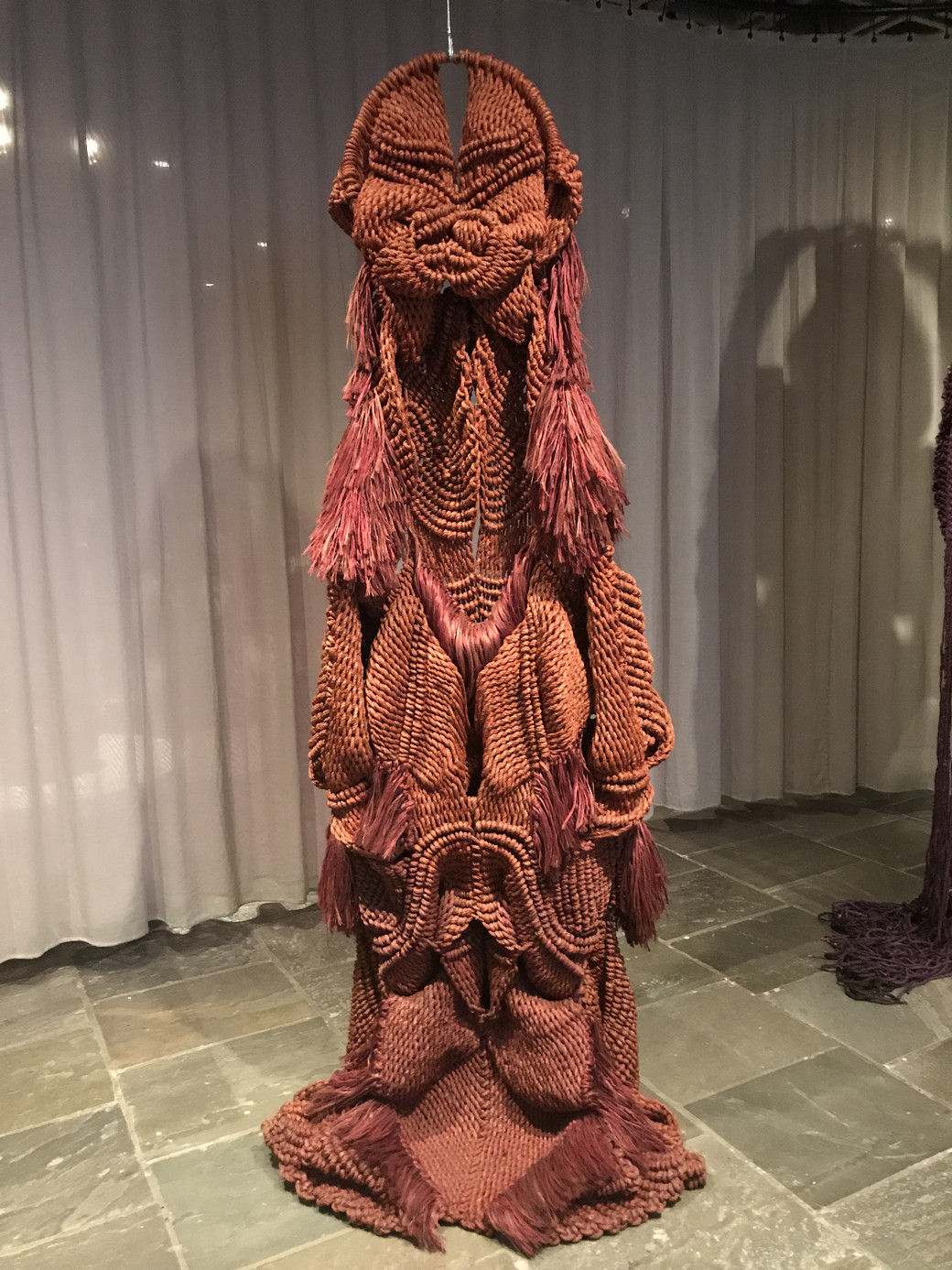
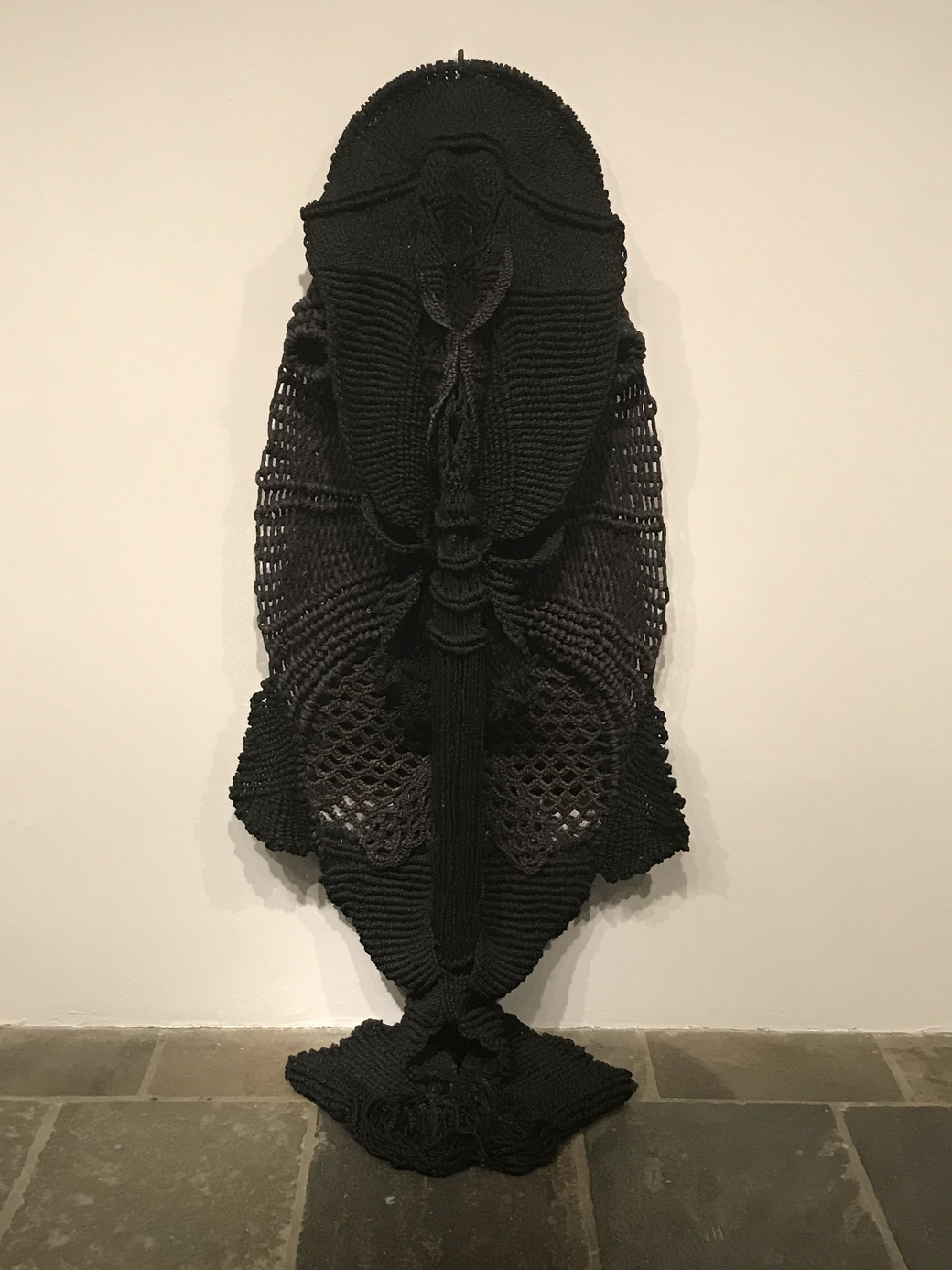
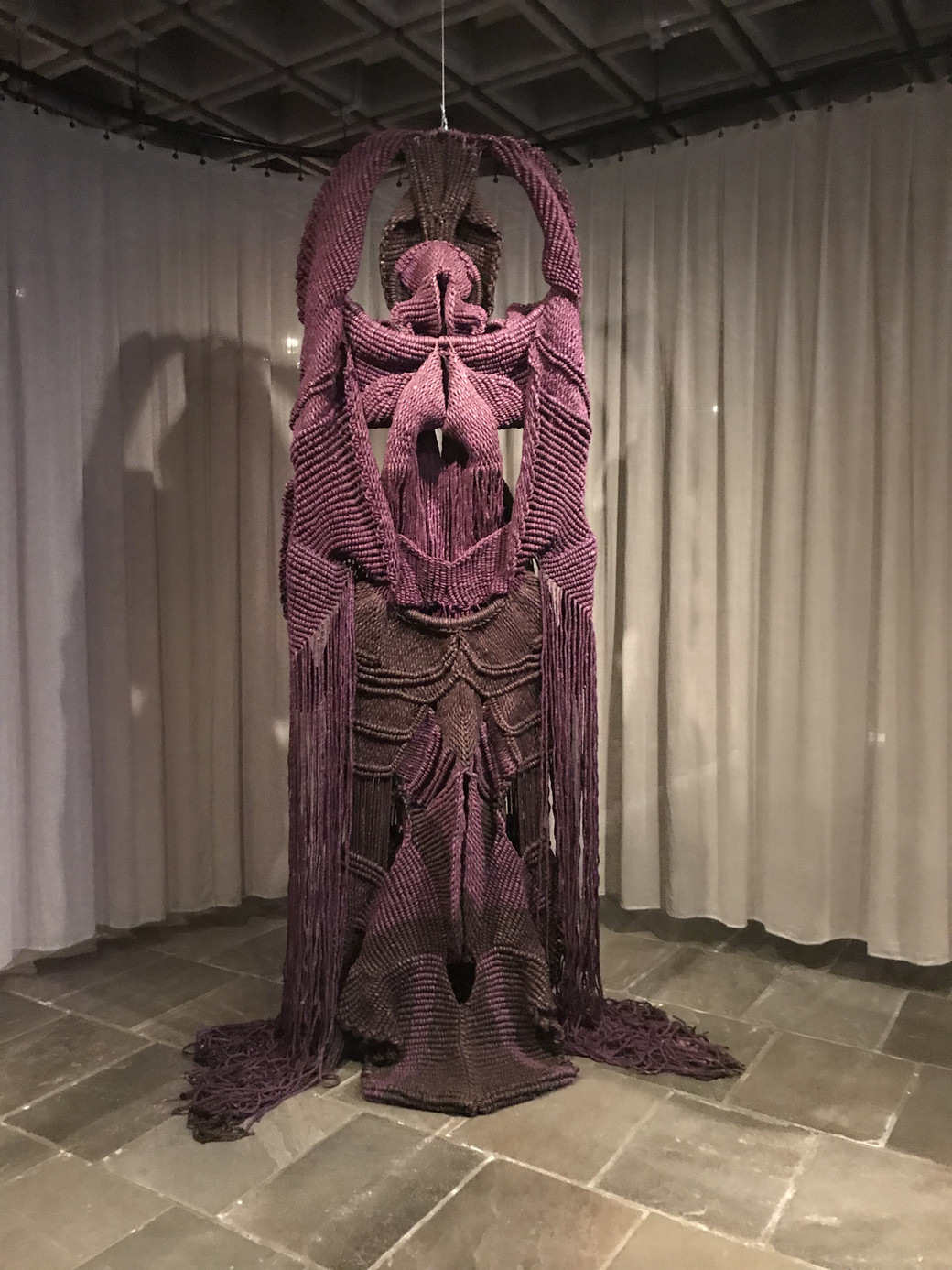
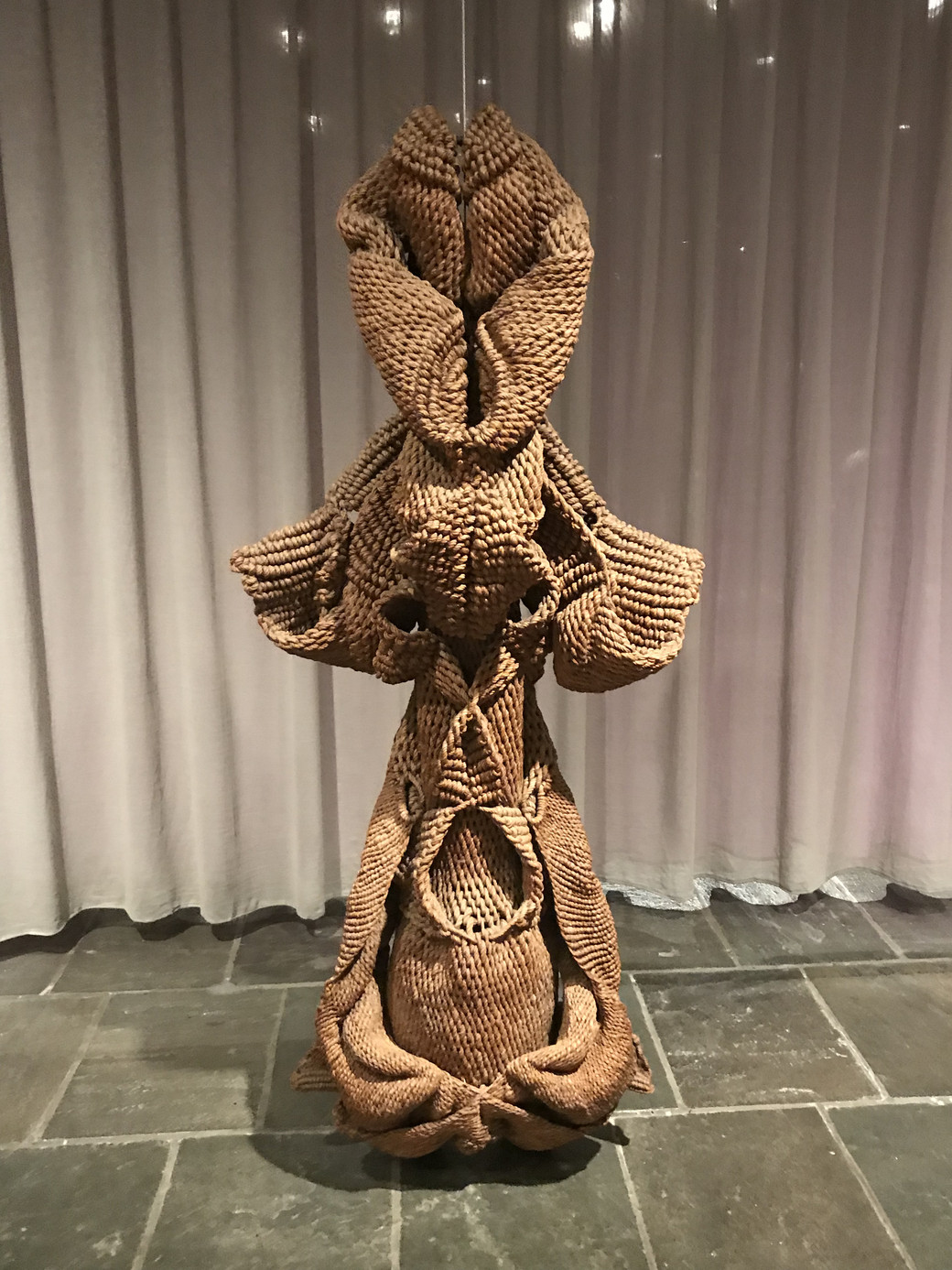
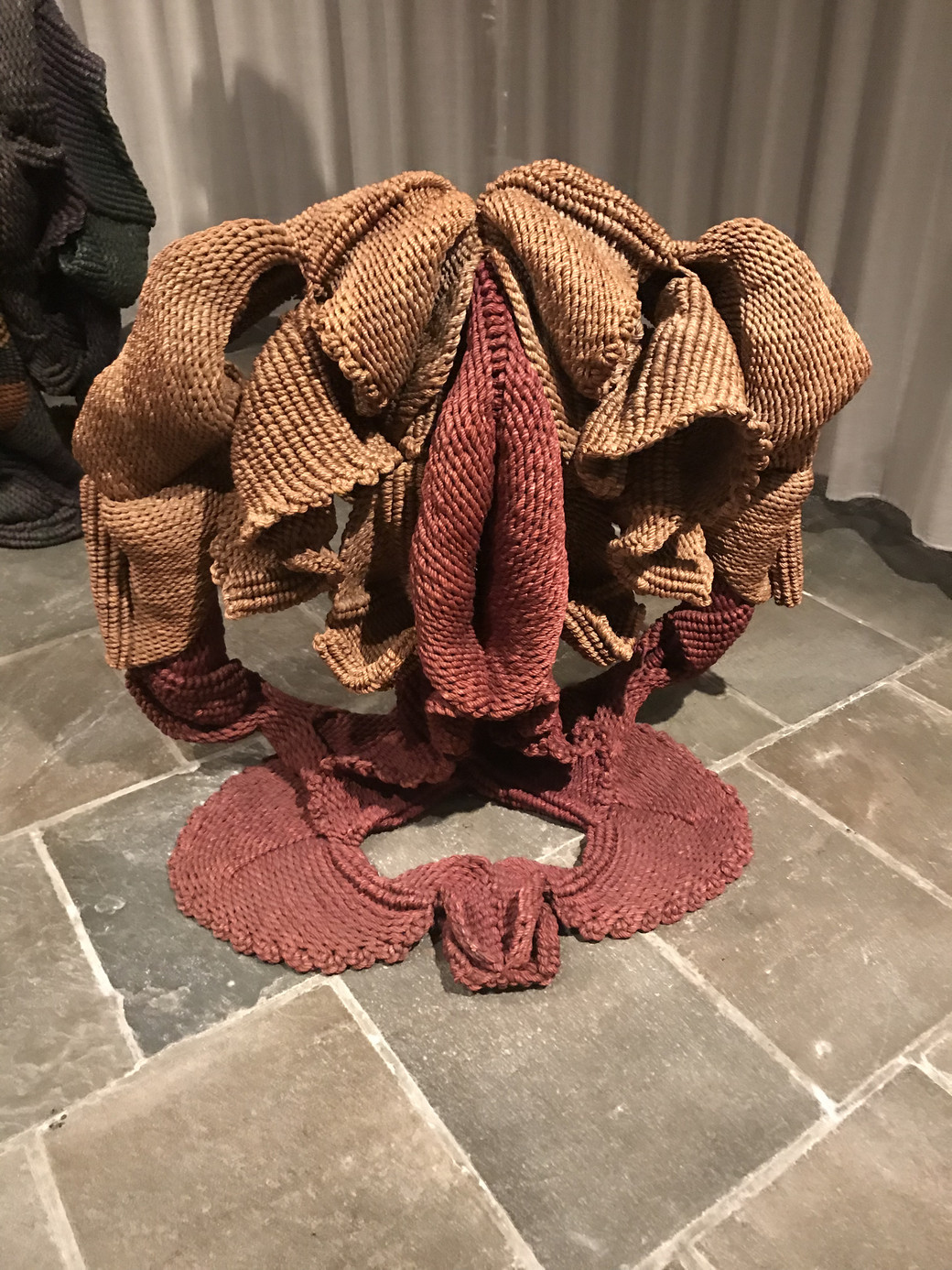
"Phenomenal Nature: Mrinalini Mukherjee" is on view at the Met Breuer through September 29th, 2019.
"Phenomenal Nature: Mrinalini Mukherjee" is on view at the Met Breuer through September 29th, 2019.

Do the math, and you get no other than Rammellzee: the “prolific polymath, irascible overlord, charming hustler, quantum hobbyist...one who makes sense of the senseless.” If you’re overwhelmed, if the equation scares you... that means it’s working.
There are enigmas and there’s Rammellzee. With his roots trailing all the way to the end of the A train in Far Rockaway, he was inherently an outlier. His journey officially began in 1979, when he abandoned his name and all notions of the typical societal experience. First an MC and graffiti artist, then a international contemporary art world guru, to creating artwork and garments out of garbage.


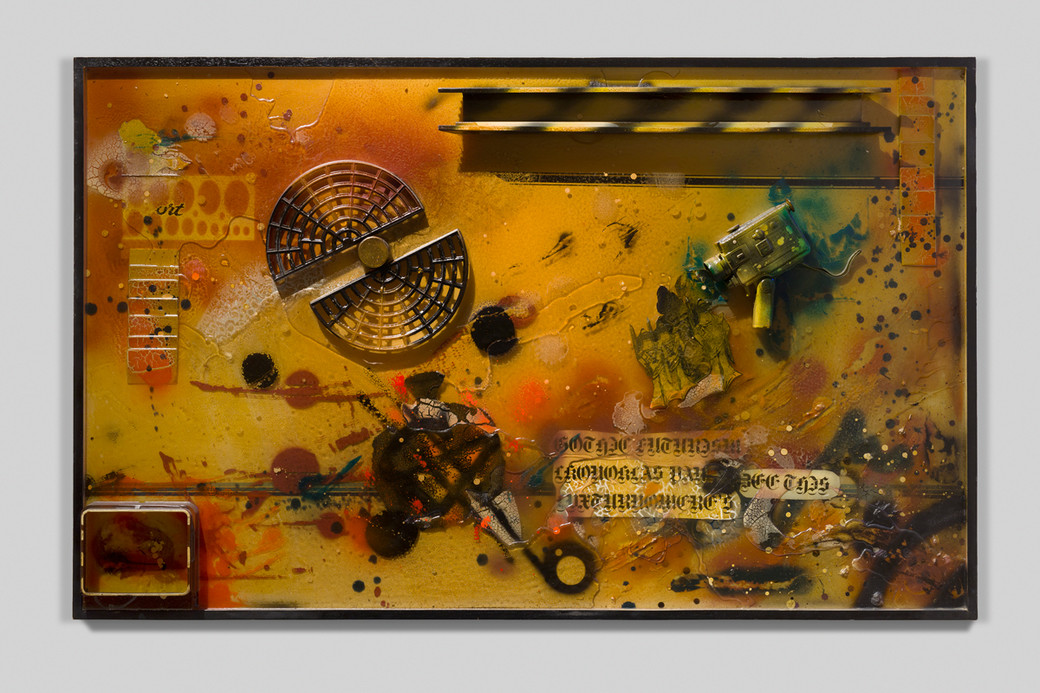
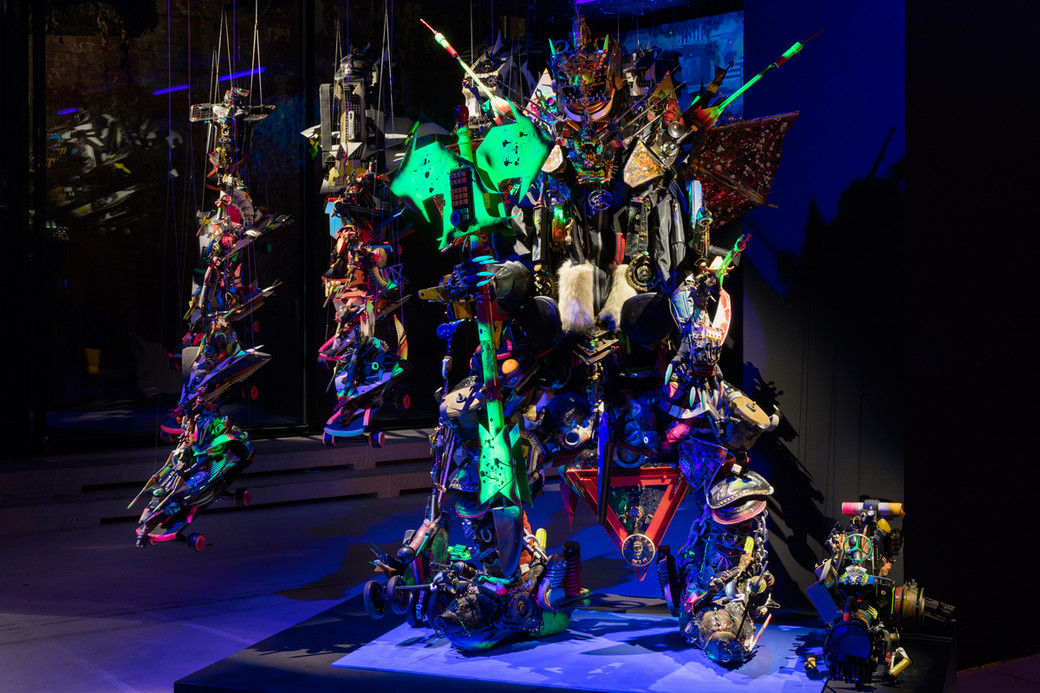
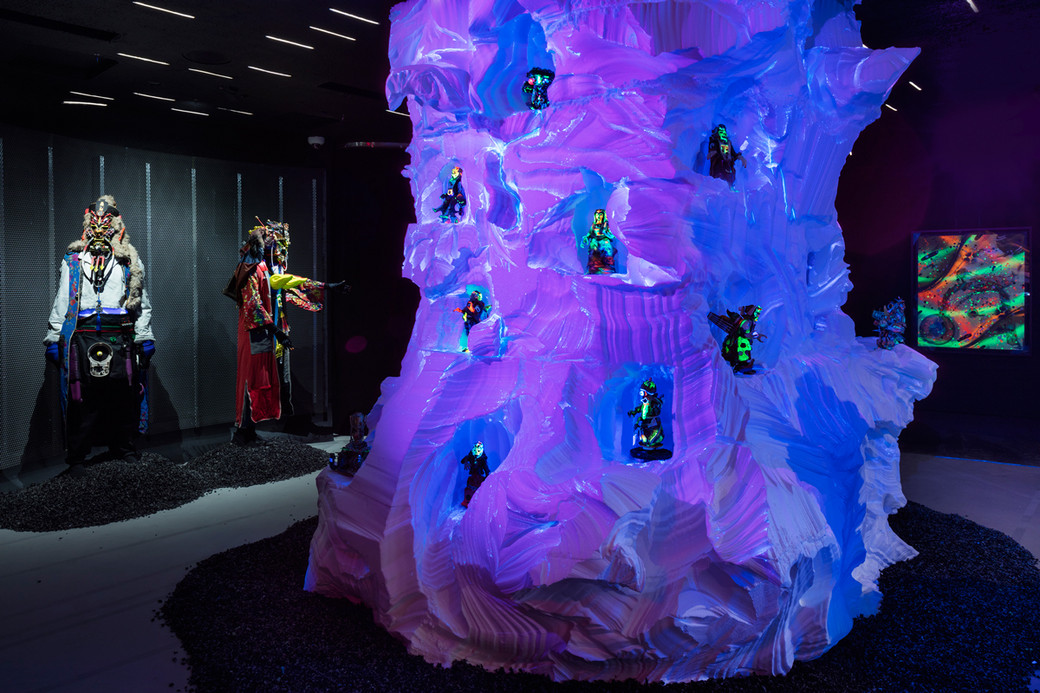


Red Bull Arts has curated a vast selection of works by the New York icon. Artworks, music, writing, rare archives information, and ephemera. They invite you to “step inside the Gothic Futurist Multiverse” of the legend artist now through August 26th...if you can handle it.
RAMMΣLLZΣΣ: Racing for Thunder will be on view through August 26th at Red Bull Arts New York, open Wednesday through Saturday, 1-7 pm.

I first met Lucien in 2012 shortly after he graduated art school. I drove upstate to his studio near Bard College. He was renting this big red barn as a live-workspace from James Ivory of Merchant Ivory fame.
Within a year we did his first New York solo show at Half Gallery, “Good Vibrations.” It was all appropriated guitar bodies which Lucien had then turned into wall sculpture by either painting or adorning them with bottle caps, glitter, tin foil, etc. Think John Armleder meets junkyard Duchamp. The exhibition happened to occur the exact same week as Superstorm Sandy, and there was talk of holding our opening by candlelight. In the end, the power was restored forty-five minutes before the show started. I was relieved but also slightly disappointed, like when the cops don’t show up at your house party.

Soon Lucien was working on tumbleweed paintings and seed packet paintings and pie paintings. The pies were meant to mimic when a slapstick comedian throws a cream pie in someone’s face, the type of practical joke that the subject and perpetrator tend to both be in on. While researching this cultural phenomenon, Lucien stumbled upon an old radical named Aron Kay who pied politicians as a form of political protest (he also once pied Andy Warhol). One of Kay’s recurring symbols was an STP logo—Serve The People—bastardized from the better known motor oil of the same name. At first STP was conceived by Lucien to be an online art registry for unsigned painters and photographers—a way to get the word out about lesser-known talent—but it continues to morph into something new with each passing season.
BILL POWERS — For people unfamiliar with the organization, what is STP?
LUCIEN SMITH — It’s a group which seeks to nourish emerging talent in art, music and film. Our goal is to provide an alternative platform for creative inquiry and experimentation. We want to help bring awareness to the unrefined, uncommercial and create a market for it as well.
BP — What are some historical precedents for this type of collective?
LS — We can look at groups like the Black Mountain College, an experimental environment that became a cultural incubator for emerging talent in the 1930s and 1940s. I think pre-2000s American culture could support underground movements which are now harder to establish. I think society has taken many significant turns in the last decade, one of those major factors being social media. While I believe it has allowed us to connect in an unprecedented way it also has shut out a large number of people. Things today go from 0 to 100 into the mainstream and oftentimes are unsustainable. The point now is to get unseen, unheard work out into the world with the support it needs, to an audience I believe is waiting.
BP — In 2017 you had a temporary space in Los Angeles called “Appointment Only,” which staged a series of art shows.
LS — Yeah, it kind of started by mistake. I had founded STP initially as a creative agency meant to represent artists, but I was still trying to figure out the best approach to achieve that. In the meantime I had a painting studio in LA which was often unused, so the idea for “Appointment Only” was to utilize the space by any means. I started a small residency program there which ended with a solo exhibition by our artist-in-residence Alexander Muret. We also closed with a group show organized by young curator Matthew Brown.
BP — Now that you’re back in New York, what’s the next stage of development?
LS — Spring, 2018, we hope to stage our first happening called “Group Show.” We announced an open submission call earlier this year for artists who wanted to participate. I thought maybe we’d get a hundred portfolios at most. Instead we got eight hundred. The focus is primarily painting or two-dimensional work, but “Group Show” will include some sculpture. I think the gallery system is counterintuitive in that most galleries frown upon unsolicited submissions where that’s exactly what we aimed to collect. It’s about editing down the eight hundred artists to maybe fifty people so there’s a perspective to the curation.

BP — Who are a few of the artists you’ve selected for “Group Show” so far?
LS — They’re all amazing artists. I would feel bad leaving anyone out. So I’m just going to list everyone we have confirmed so far…Luisa Alcantara, Rosa Arango, Jasper Arasteh, Laura Baran, Eliza Barry, Max Berry, Eric Blum, Michelle Brandemuehl, John Cahall, Chris Capoyianes, Elliott Chambers, Richard Choi, David Dellagi, Amanda Doran, Jan Gatewood, Adam Glibbery, Oscar Godfrey, Andy Heck Boyd, Zach Helper, John Spiliopoulos, John Hurley, Katerina Janeckova, Stephanie Krawchuk, Juliette Lemontey, Anders Lindseth, Greg Ludlow, Mack Ludlow, Rebecca Michels, Jesse Morsberger, Brendan Mulcahy, Tessa Perutz, Michael Reeves, Sarah Schechter, Jo Shane, Fabricio Suarez, Michael Trinsley, Eric Wiley, Tong Zhang, and Aaron Zulpo. All of whom contributed amazingly strong artworks!
BP — So how does STP branch into music?
LS — We have begun working on a small record label STP Records. We will deal directly with a Digital Service Provider and be releasing content directly to iTunes, Spotify etc… The music industry is changing so fast, and I believe for the better. Artist are releasing their own content independently which I think is fascinating. It’s a little harder for musicians to do who have a small following though, so we want to work as the aid in that aspect. Last week we met with Michael Holman of the band “Gray” who myself and Sasha Frantz my partner at the label are HUGE fans of. He has an unreleased solo track from thirty years ago that we are going to put out on a AA two sided 12 inch vinyl along with a new recording. We are very excited about that project.
BP — You personally made two short films to date: “A Clean Sweep” and “Snowy Day”. Are you striving to help younger artists make art films or do you hope to produce proper cinema?
LS — Film is definitely an interest of mine. I think all films are art. I hope in the near future we will be able to start talking about putting out short films, hosting our own festivals, and eventually producing features…
BP — Tell me more about the food intiative STP organized in LA?
LS — STP’s roots have always been grounded in the idea of a healthy community. I first appropriated the acronym for my exhibition “Scrap Metal” in Kansas City, MO at Bill Brady’s gallery. I discovered a photograph of a banner which took the very popular then logo from the STP Motors Co. and said “Stop the Pigs, Serve the People!”. I was fascinated by that gesture, taking corporate imagery and giving it a liberal rebellious perspective. That is exactly what STP is in a nutshell. Serving the People is STP’s way of giving back to the community directly. Portions of all our sales and revenue are going to be directed towards pre-existing and internal food initiatives. Currently it is being run by young chef Macklin Casnoff. He has been working on small public events called “Stir the Pot” which focused on gathering people in public places and providing them with a meal put together from rescued ingredients provided by neighboring restaurants. Eventually we hope to turn that project into a nation-wide initiative. – END

All artwork courtesy of STP
Brendan Mulcahy
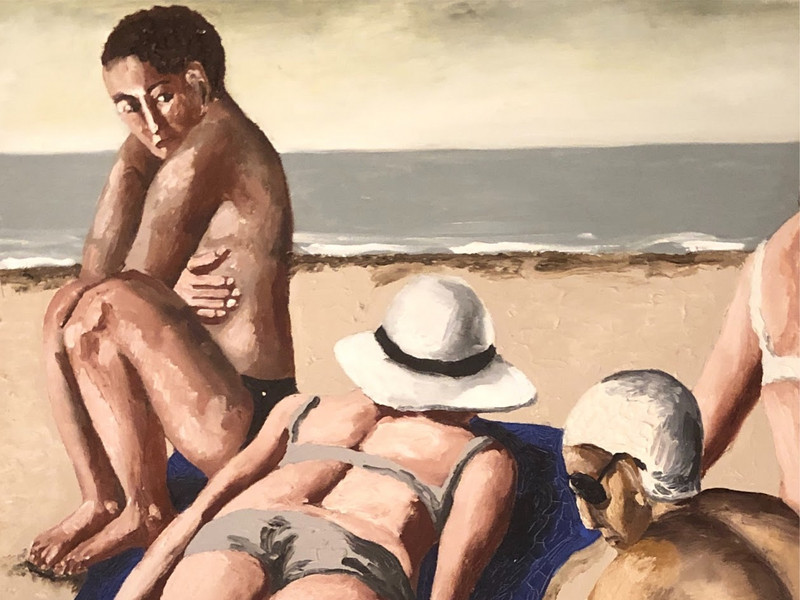
Man 2017 oil on canvas,
22 x 15 in.
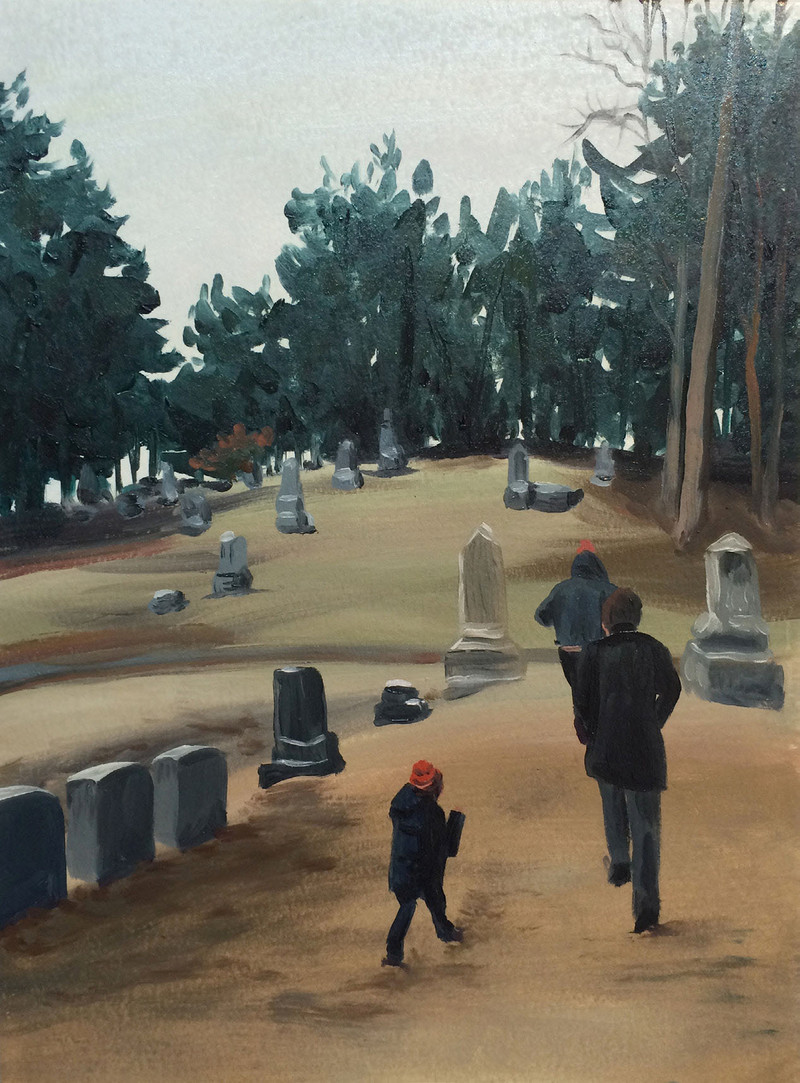
Laura Baran
Cemetery Walk oil on paper,
12 x 9 in.
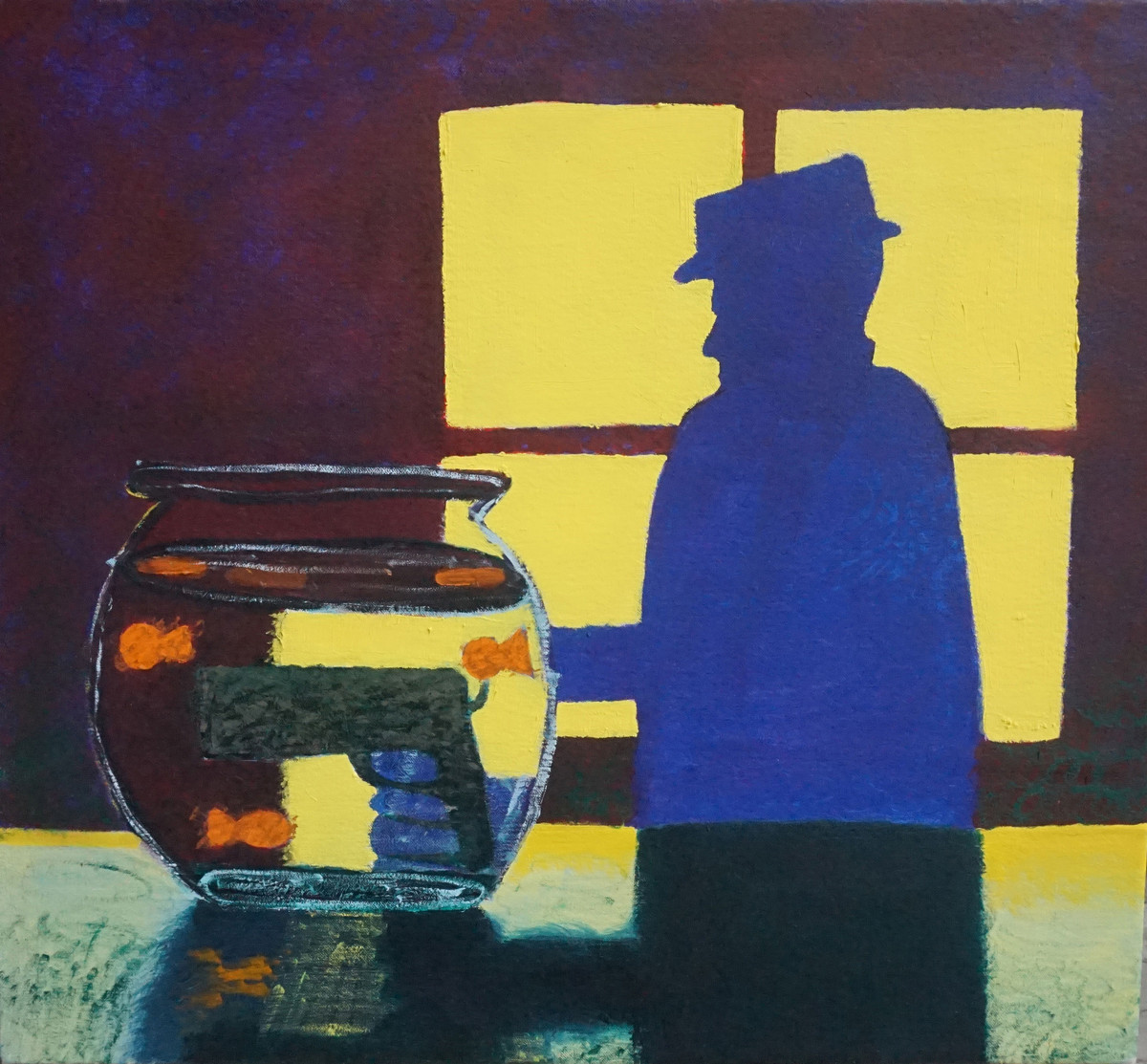
Anders Lindseth
A Painting of a Fishbowl, at Night oil on canvas,
20 x 22 in.
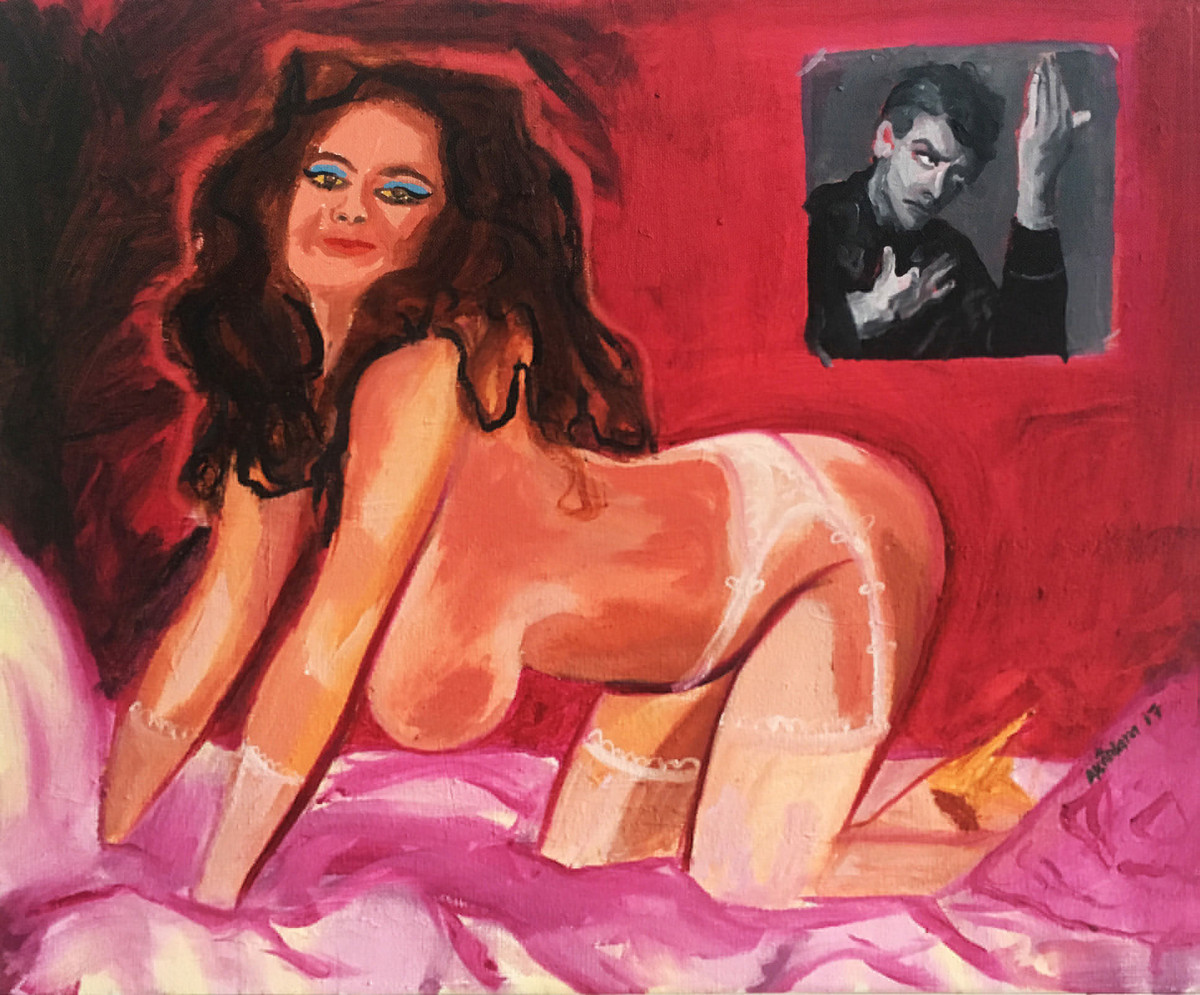
Luisa Alcantara
He Never Called Back and THAT’S a True Story 2017 oil on canvas,
11 x 14 in.
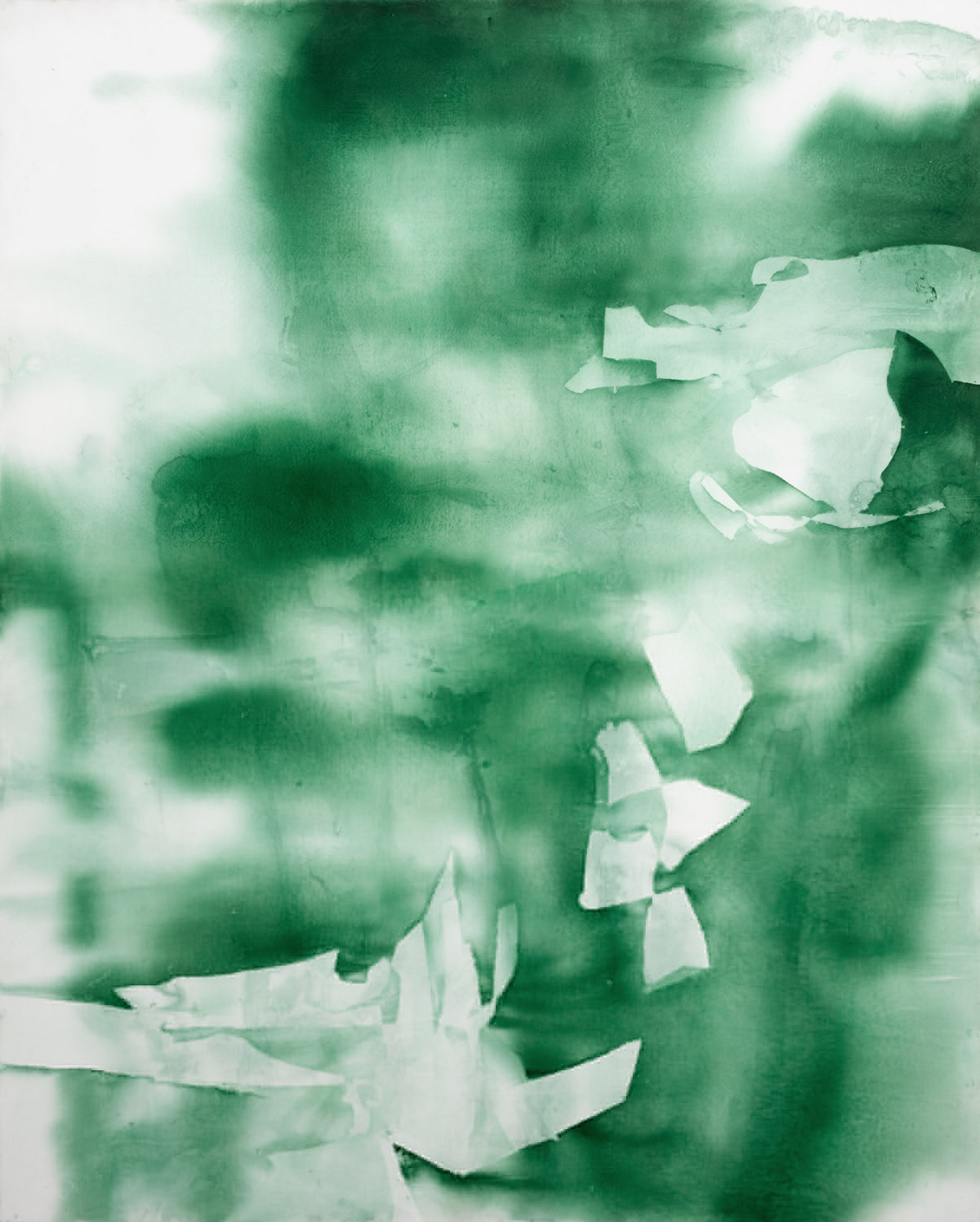
Eric Blum
Untitled No 784 2017 ink, silk and beeswax on panel,
59 x 47 in.
Greg Ludlow
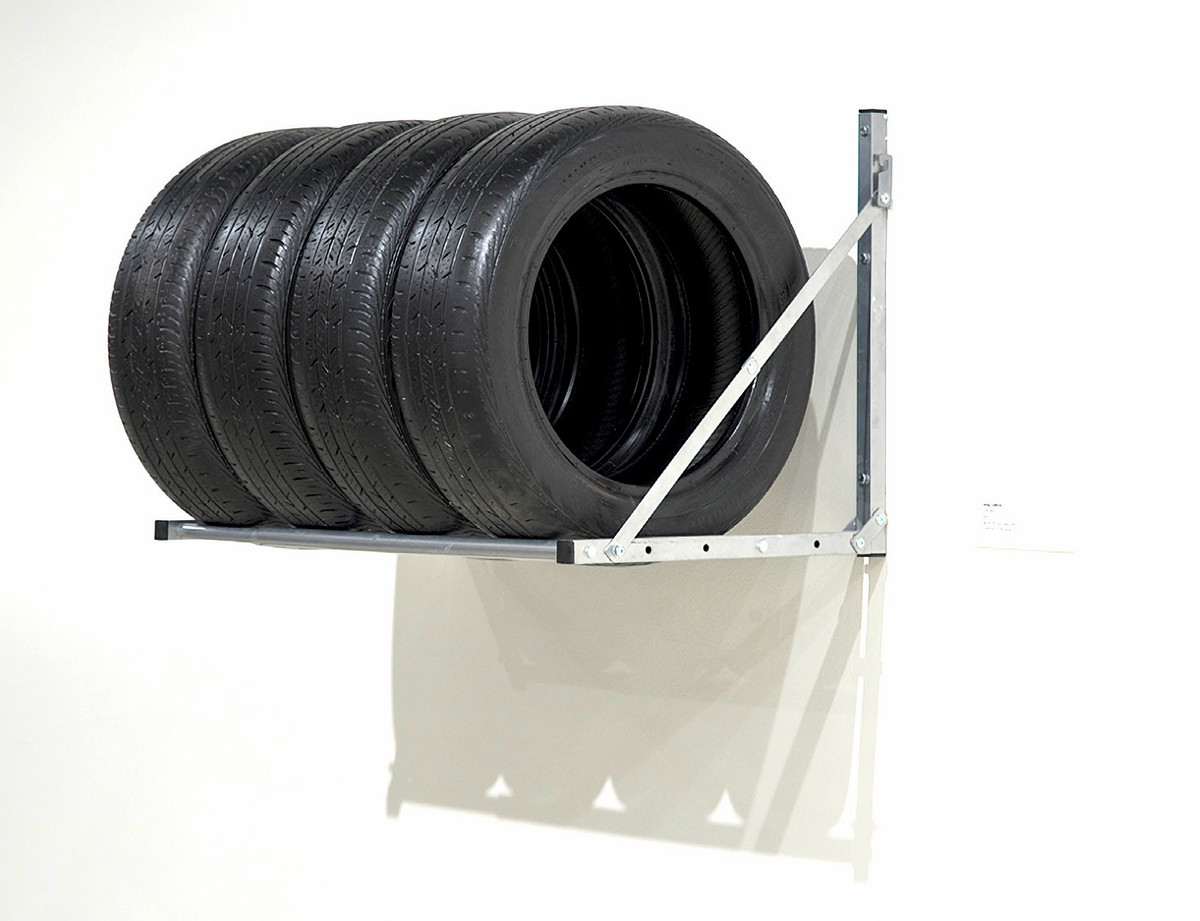
Like New 2016 used tires, acrylic paint and tire rack
28 x 48 x 28 in.
John Hurley
Untitled Oscar Godfrey Windancer oil on canvas,
13 x 11 1/2 in.
Sarah Schechter
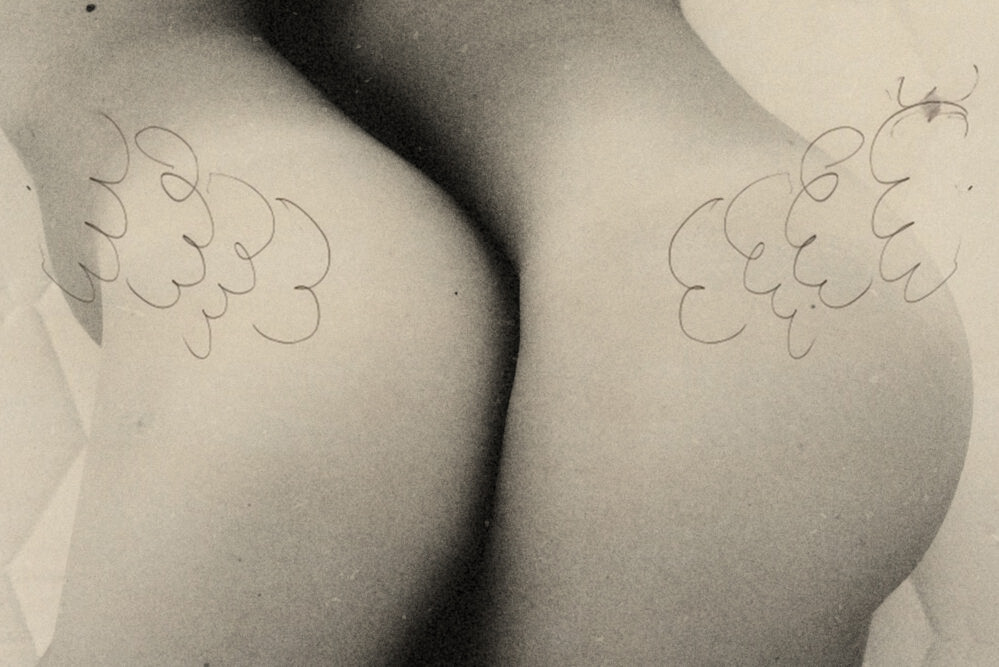
Untitled 2016
24 x 35 in.
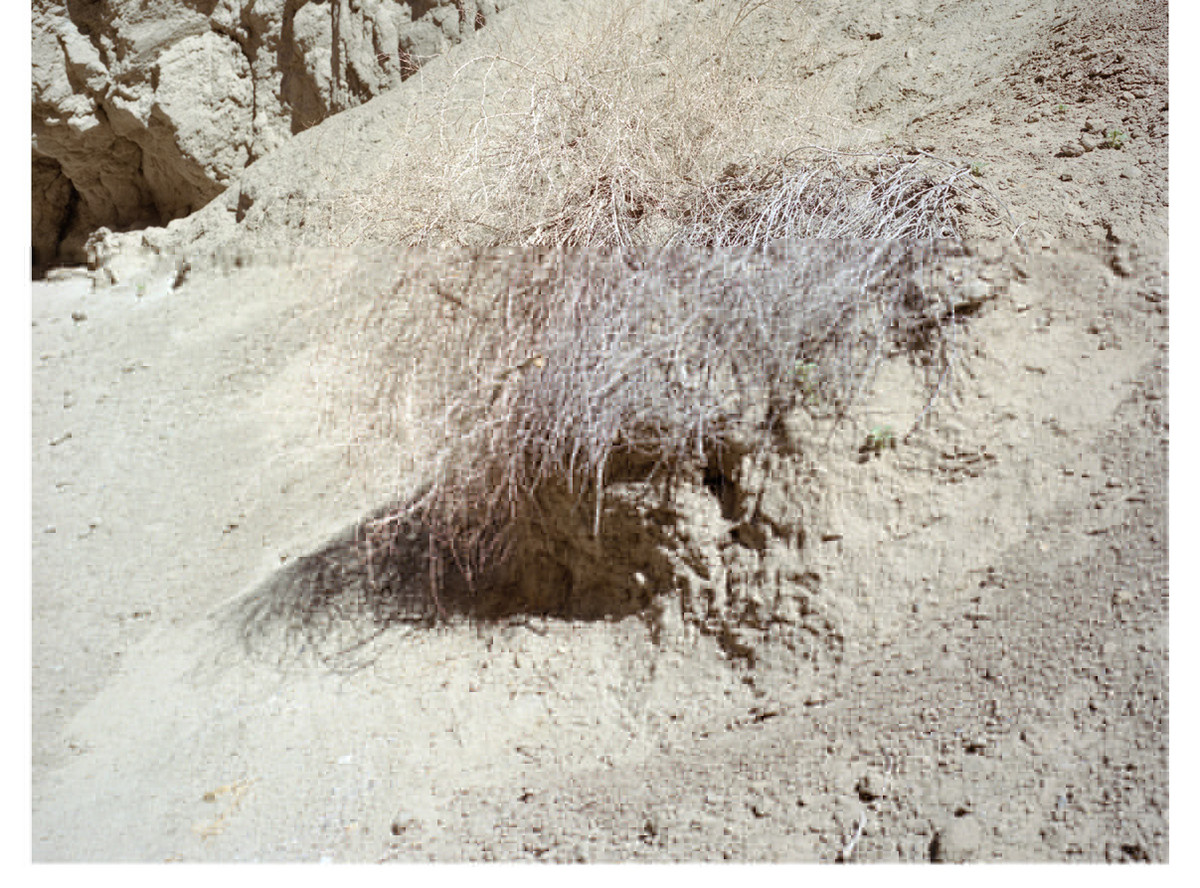
Zach Helper
Desert Bush photograph,
20 x 24 in.
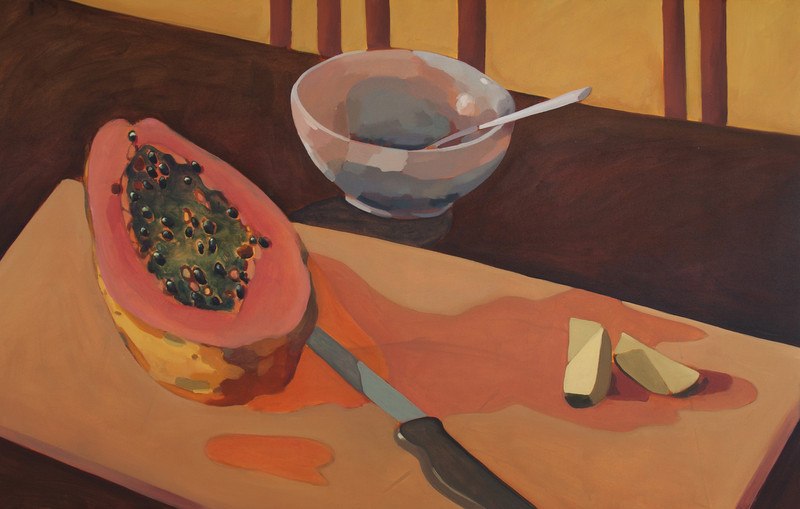
Max Berry
Cut Fruit & Bowl 2017 oil and acrylic on poly cotton
29 11/12 x 48 1/48 in.
David Dellagi
Bim and Bam Walk Down a Street in Algeria 2017
acrylic on canvas, 75 x 98 in.
Chris Capoyianes
Untitled oil on canvas,
18 x 24 in.
Elliott Chambers
Green Shadows Jan Gatewood
A little bit smarter 11 x 8 1/2 in.
Tong Zhang
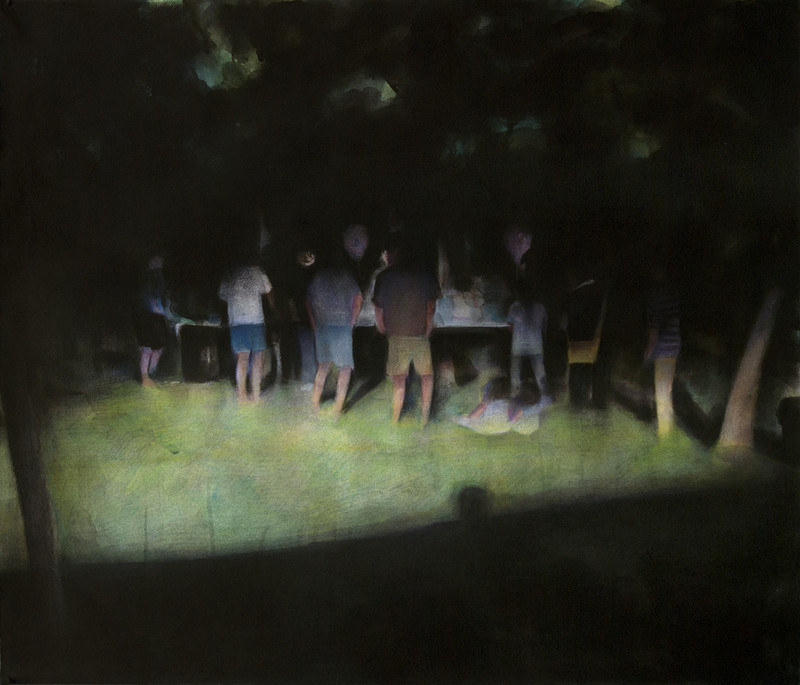
Party 2016 mixed media on paper,
21 x 24 in.
Chris Capoyianes
Past Midnight oil on canvas,
20 x 16 in.
Michael Reeves
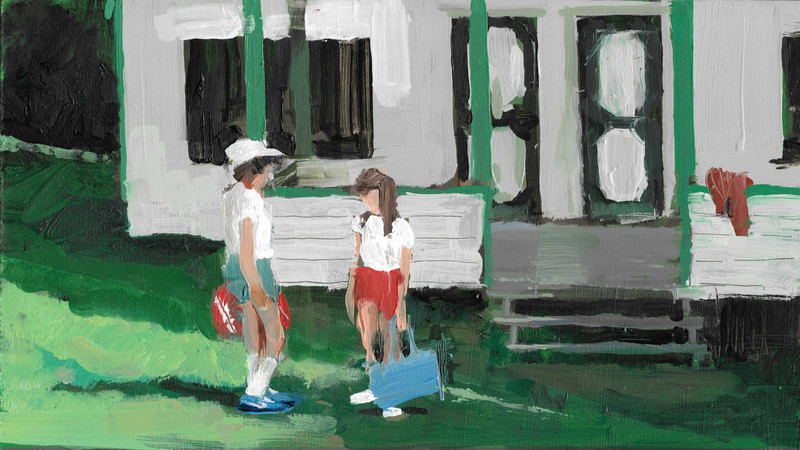
First Day of Camp
Oil on Panel 6 x 11 in
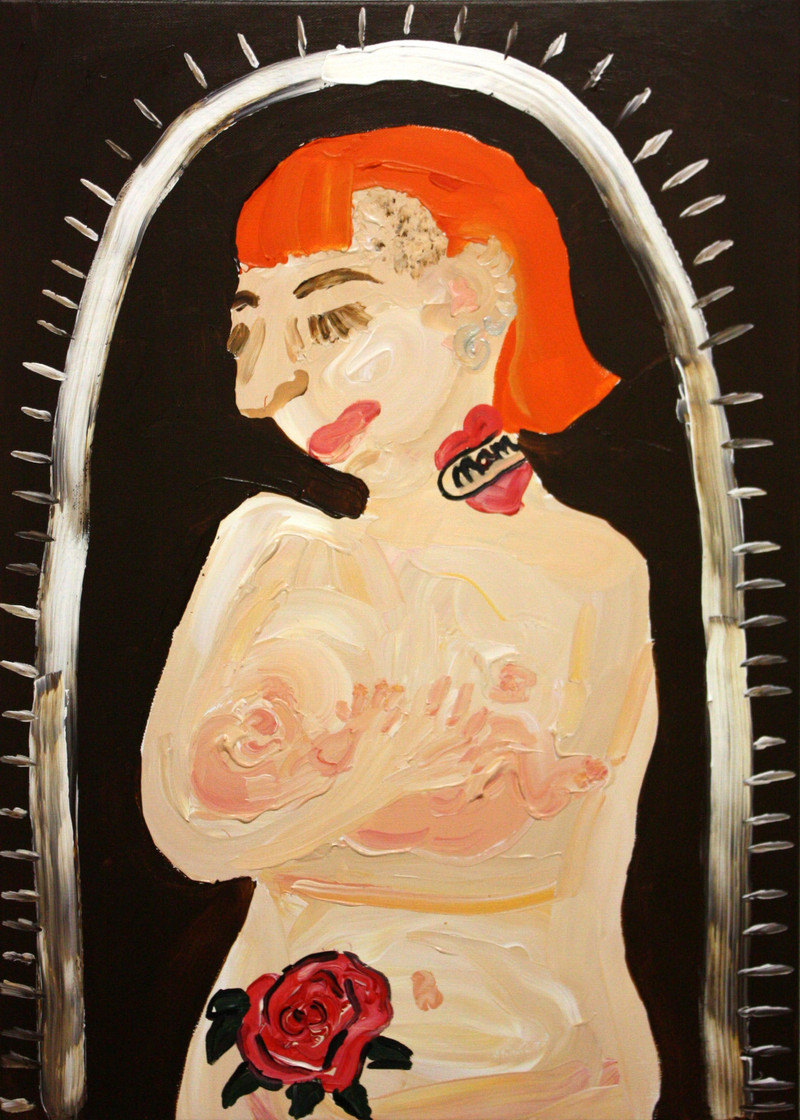
Amanda Doran
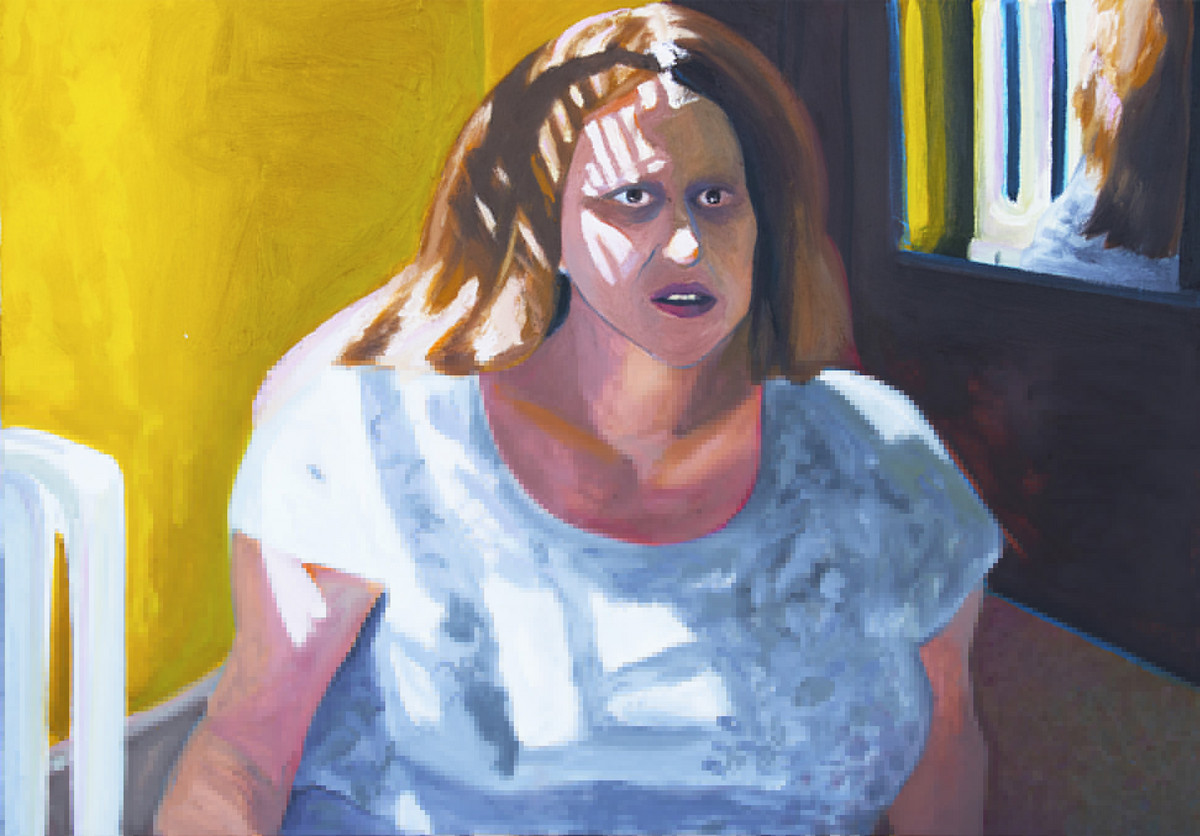
Mother 2017
27 9/16 x 19 11/16 in.
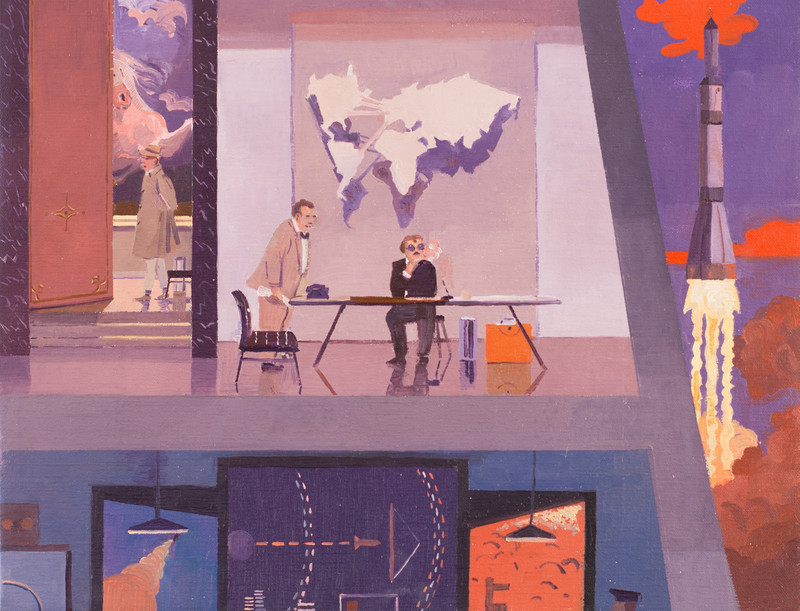
Aaron Zulpo
Rocket Launch 2017 oil on canvas,
11 x 14 in.
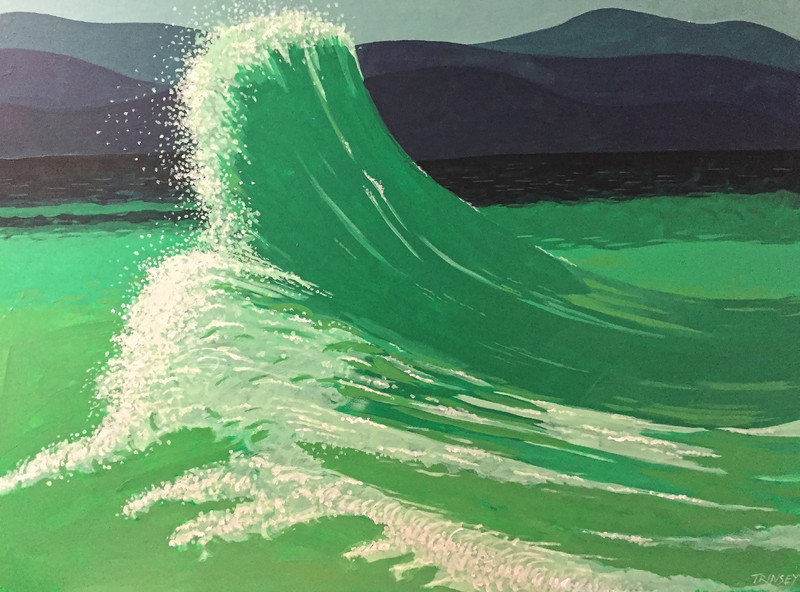
Michael Trinsey
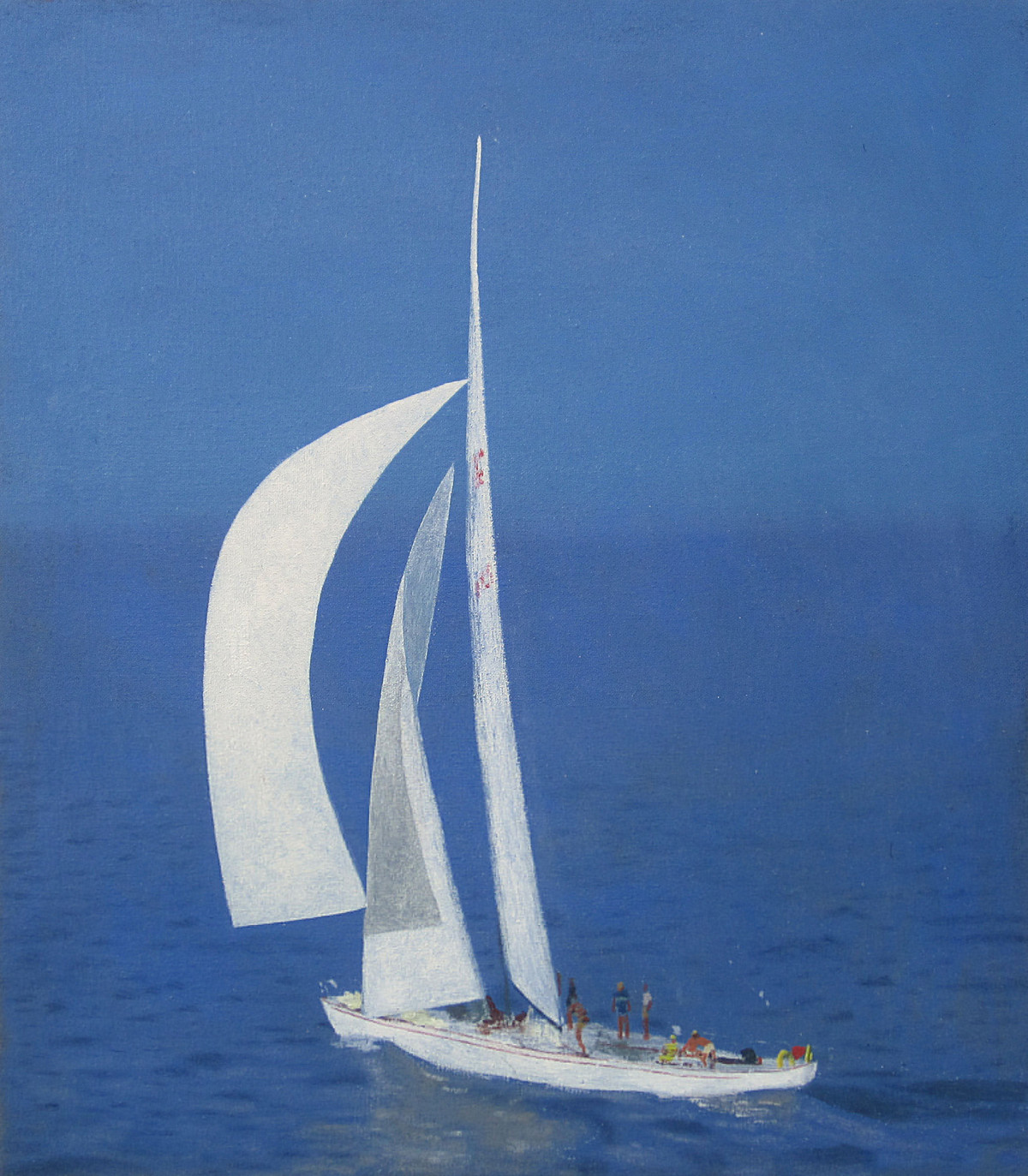
Ocean Swell acrylic on board,
24 x 32 in.
Jo Shane
Autobiography All The Psychopharmaceuticals
1995 - 2015 pill bottles, sheetrock and insect eradicators

Enter Abraham Cruzvillegas, the artist ushering in kurimanzutto’s New York space on the Upper East Side: sourcing all his materials from the city, he’s constructed a perishable floating labyrinth. Vegetable crates hung from the ceiling on transparent fishing line are arranged in an hourglass shape, bold Pepto Bismol pink crates becoming a deep hunter’s teal, and upon each can be found a single object.
The sculptures are prone to twirl, so walking around searching for the featured object can feel like a scavenger hunt — here is a taxidermy duck, there a sitar, and scattered beyond are the amazingly startling inclusion of perishable food: ham, turmeric, root vegetables. Of course, we at office had to pick the brain of such an artistic wit: read below to see the wheels turning.

You talk about reconstructing identity — do you feel that you’re a different person everywhere you go?
That you are constantly forming new identities / alter egos in new cities / places? More than forming alter-egos, I think -like everybody’s- my identity is permanently changing. The very concept ‘Autoconstrucción’ I’ve been referring to, comes from the process of constructing houses by the families who live in them: they construct their own homes without architectural design, without ‘concepts’ or budget, and most of the times, without money, slowly and very haphazardly, those are idiosyncratic spaces in which specific shapes come from specific needs, scarcity and ingenuity: that’s the case of the place where I grew up. Then, this allegory became my main tool for making art, not representing houses or fragments of houses, but strictly trying to reproduce the very dynamics of making, and above all, referring to the construction of the self, properly meaning the construction of identity. After using the term ‘Autoconstrucción’ for a while, I moved into ‘Autodestrucción’, then to ‘Autocontusión’, ‘Autoconcación’, ‘Autorreconstrucción’, ‘Autoconcalzón’, ‘Autosincalzón’, etc... So it means that not only identity changes, but everything, like language. Cities and places are never the same...
This project is ongoing? Will it ever end? Is it supposed to be infinite?
It’s said that energy can’t be destroyed or created, so it’s only constant. Magic mushrooms transform shit into gold, then that energy becomes colorful perceptions of reality, so alchemy is true. In permanent disaster -all economical, political, social, cultural ways- the Duchampian perspective of something that’s definitely unfinished, not only referring to Fourth Dimension theory and Pataphysics, leads to a really objective and positive evidence of infiniteness. All true art is never fixed, it should be endless instead.


The pieces at the show are displayed as if they were weightless, hovering in midair. Why?
Eye level is only a little tool, in terms of looking at reality, where truth happens, but also, when shifting my gaze a bit higher or a bit lower, produces funky distortions of perspective, and this way I feel my understanding changes as well. Johnny Rotten used to sing, holding the mike at mouth level, bending his body as a hunchback -he said so- produces a different political perspective: a humiliating one, different from The King, The Ruler, The Authority, The Powerful Ones. Cathedrals are very much about this, so we are always lower to God’s eye, and these buildings aspire to heaven, like almost all architecture: it’s all about power and authoritarianism. I like challenging gravity -in all ways- so to get rid of that, by using my horizon, standing everywhere facing things at my actual height, when possible. Anamorphic perspective could be also problematic for me, as it means looking at reality from outside, not as part of it.
I was excited to hear that you’re a writer as well. What kind of writing do you do? Do you think it’s important for artists to work in multiple mediums nowadays?
I do something my publisher calls ‘friction’... For me it’s analogous to my sculptures, not the way it mirrors my work as an artist, but in a contradictory way, using words and spoken language, constructing a discourse that’s deliberately unstable and inefficient. Writing for me is a practice that allows me to think aloud, when trying to make a new art project, or thinking on particular circumstances that provoke me to do so, like reading a book, eating, listening to music, watching a film, visiting an exhibition. For me it’s making bridges to other people, places, things, animals...
What city have you not been to that you would like to visit and source for a new project in your series?
San Pedro Sula.