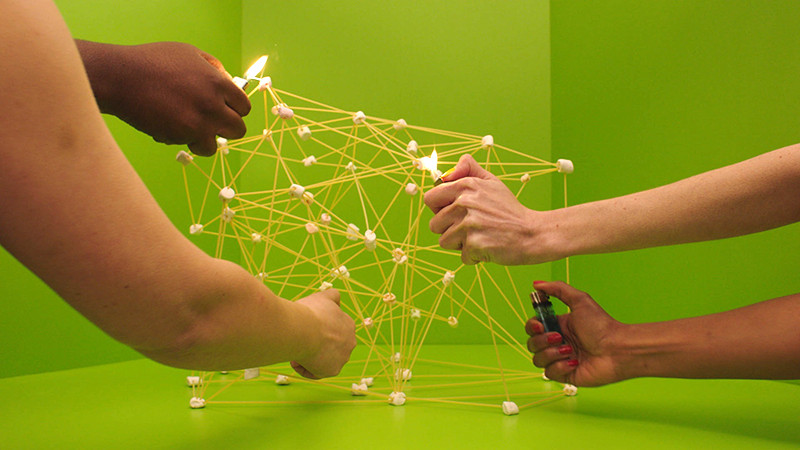
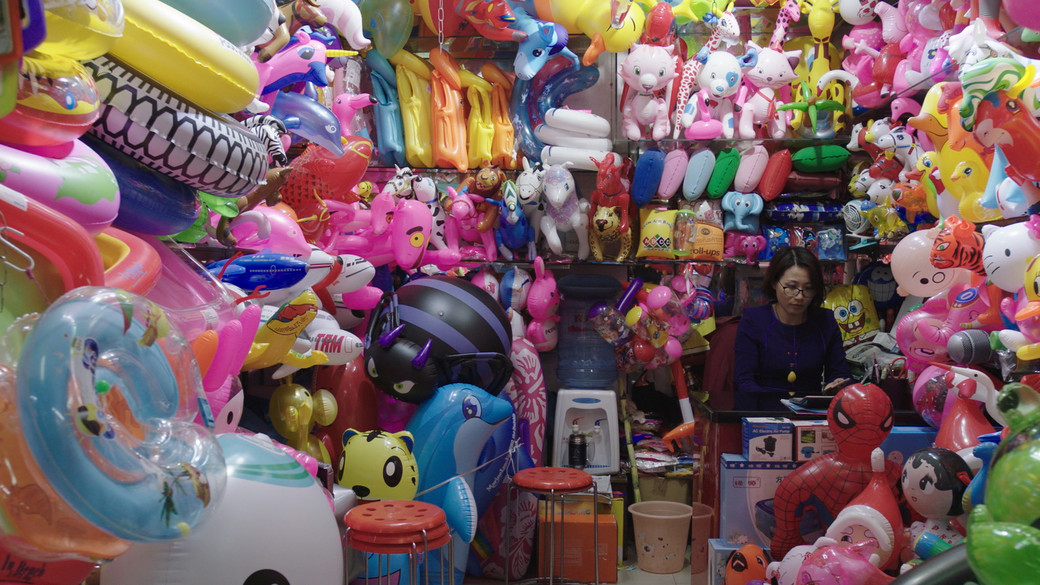
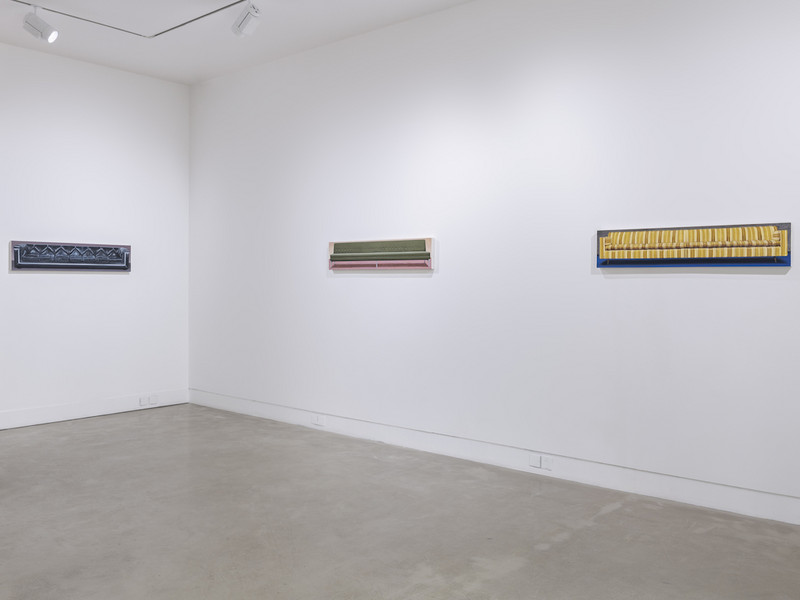
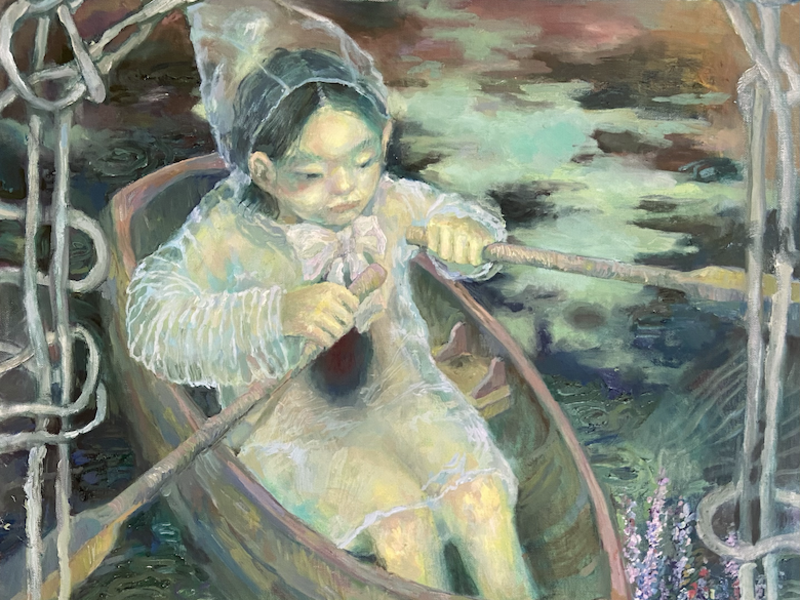
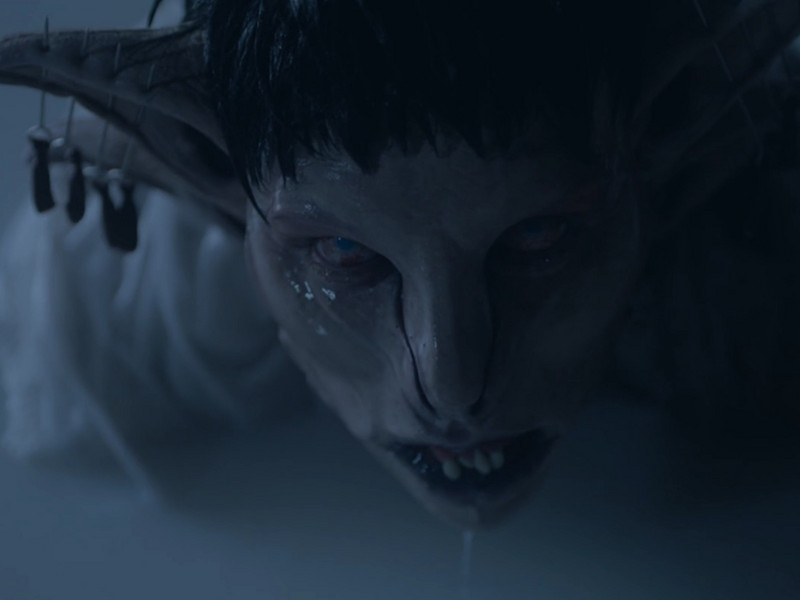
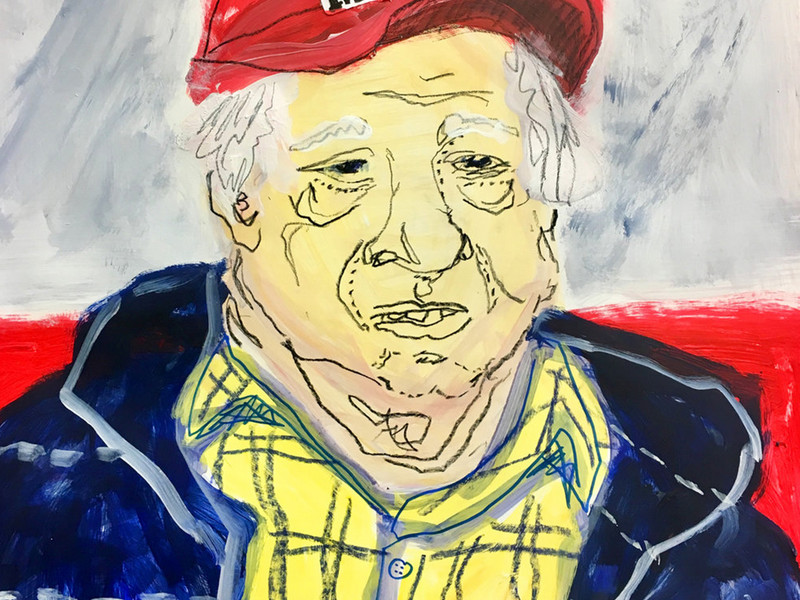
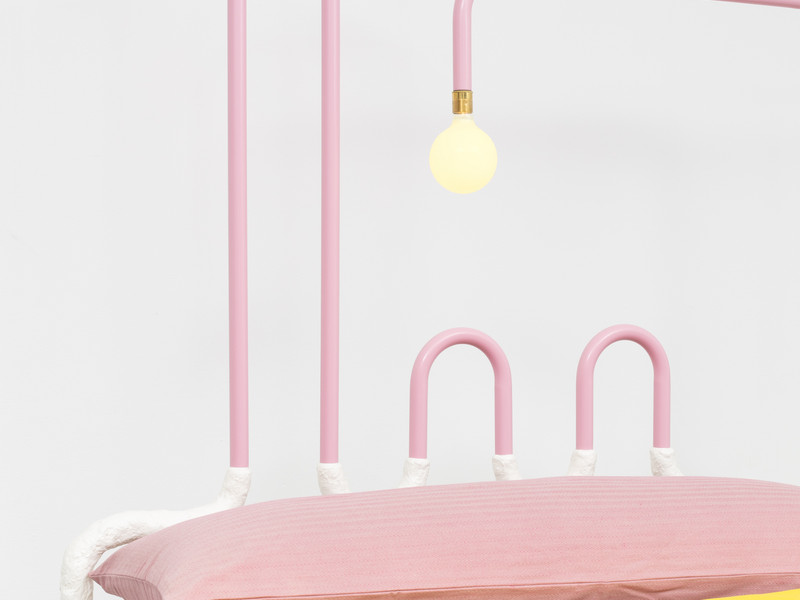
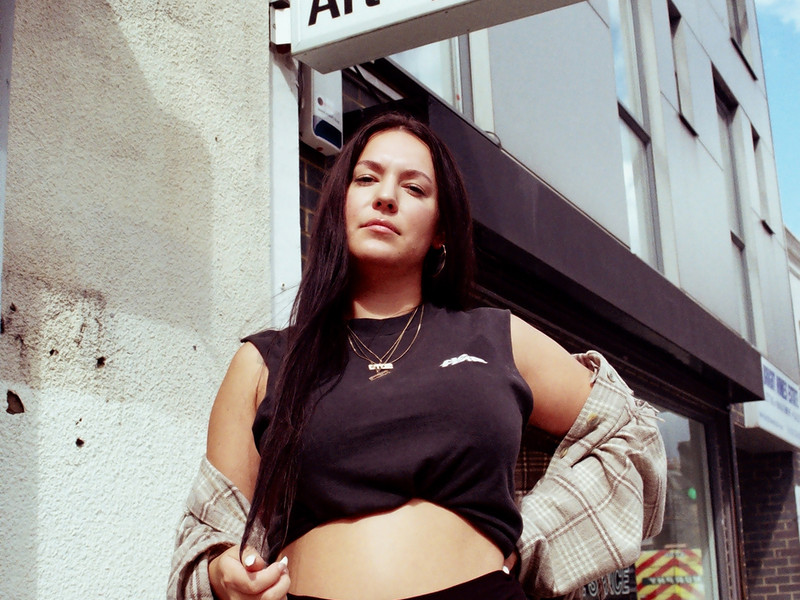
The installation seems to be making a statement on technology and social media, which are taking up more and more of our headspace. Are you concerned about how dependent we’ve become on our devices?
Yes, technology seems to provide a gratifying false mindfulness. I choose not to judge, however, I have been looking at our dependence on technology, and I question its effects on our human relationships. The effects of digital technology on our culture are yet to be fully understood, but one thing we can observe is how it has affected intimacy and individual isolation.
Where did you first come across the term Nature Deficit Disorder, and what made you deem it a worthy subject for the installation?
The title of the work Nature Deficit Disorder (“NDD”), was coined by American journalist and author Richard Louv to describe a form of human alienation from nature that results in both a greater susceptibility to negative moods and a reduced attention span. When I travel I don’t see children playing outside like we did when we were younger. Driving through the countryside in most areas you no longer see children riding bikes outside ’til dark, I find this indicative of what we are dealing with and quite disturbing. I read noted psychiatrist, Dr. Samantha Boardman’s blog Positive Prescription, where she wrote about Nature Deficit Disorder.
Dr. Boardman discusses the psychological and cognitive costs of human alienation from nature. I reached out to her and she recommended I read the book, The Machine Stops, written in 1909 by E. M. Forster, which portrays a world where human beings live in isolation beneath the earth surface, depending on an all-powerful machine for survival. The story concludes with the collapse of the machine and the collective realization of the doomed underground society that man’s connection to the natural world is all that matters. This installation deals with challenging the audience to lock up their treasured smartphone and allow oneself to be immersed in nature - allowing the individual to perhaps feel more than anxiety and boredom - Making Nature Deficit Disorder the perfect subject for this exhibition.
Can you speak on the decision to not let visitors of the installation have their phones?
Some days my cell phone functions as a studio tool responding to daily business emails or calls, other times it connects me with family and friends, and other times my phone is a “personal minder” offering me mental companionship as I catch up on reading or viewing images saved on my phone. And sometimes, if I forget a name, or phone number, it is a memory resource much like a personal library. Essentially I am almost always plugged in. Just recently I read in BBC News, on my cell phone, that a teen living in the Central Hunan Province of China, underwent surgery to remove a kidney in order to raise money to buy an iPhone and iPad. Think about that– maybe it's time we separate a bit from our iPhones.
What inspired the decision to create the exhibition under the pseudonym Ray Lee?
The Ray Lee avatar is my male pseudonym. This gender switch for me is a way of disguising my real-life persona and masking the artwork from being perceived as “by a woman artist.” Ray Lee was my nickname at the University of Texas, Austin, where I received my BFA in Painting and Sculpture. By working under Ray Lee I want to engage with the history of female artists who worked under male pseudonyms in order to exhibit their work in male dominated contexts that would often otherwise reject them due to their gender.