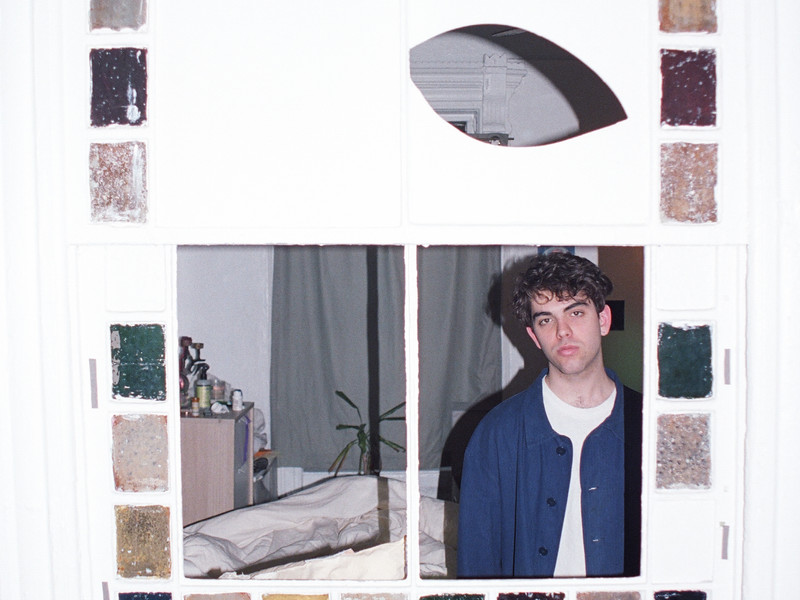
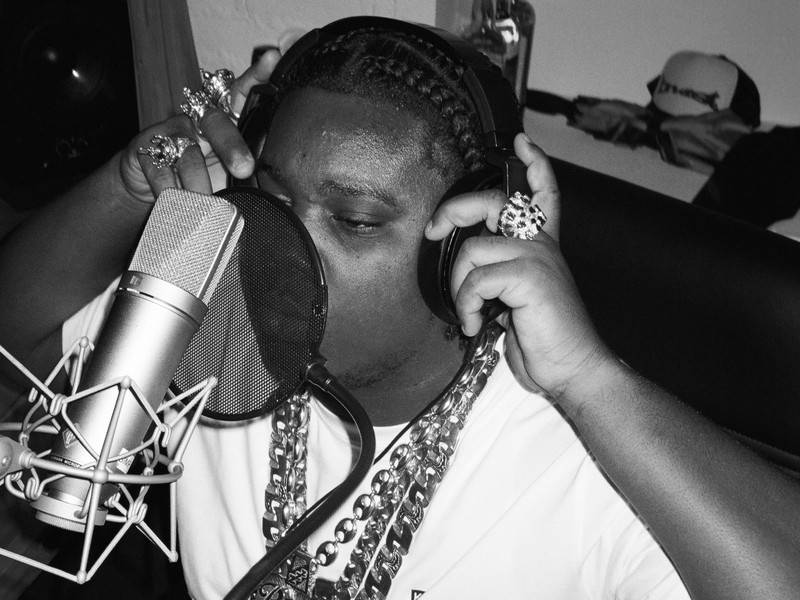
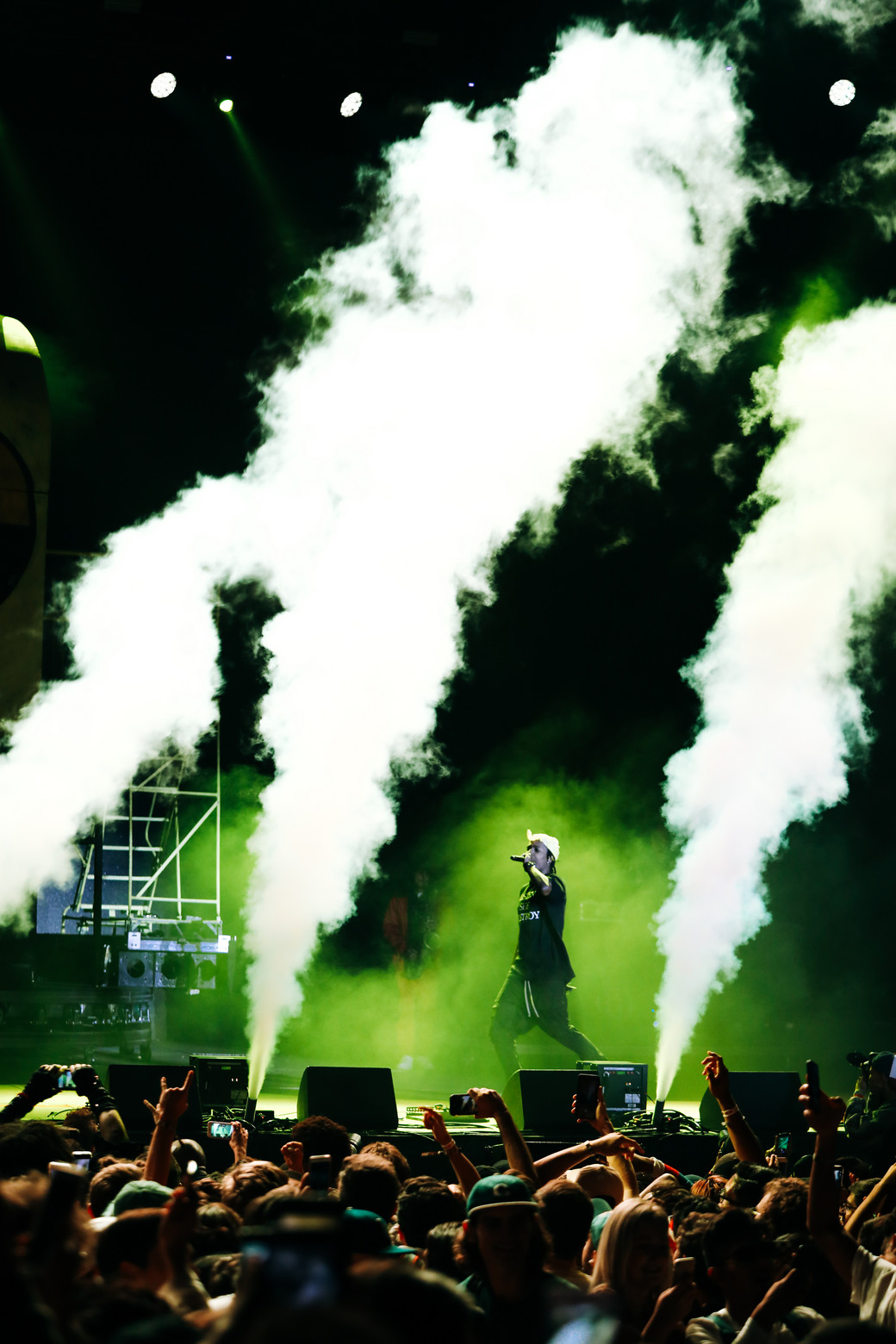
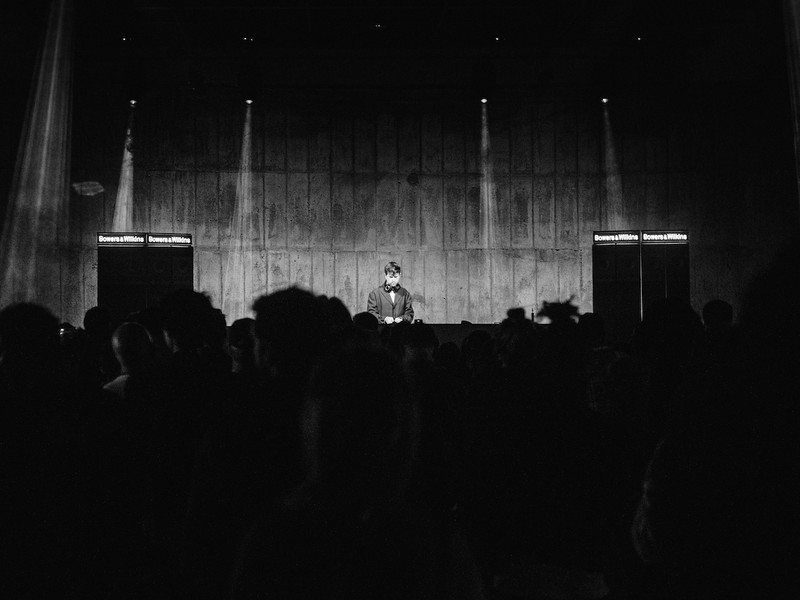
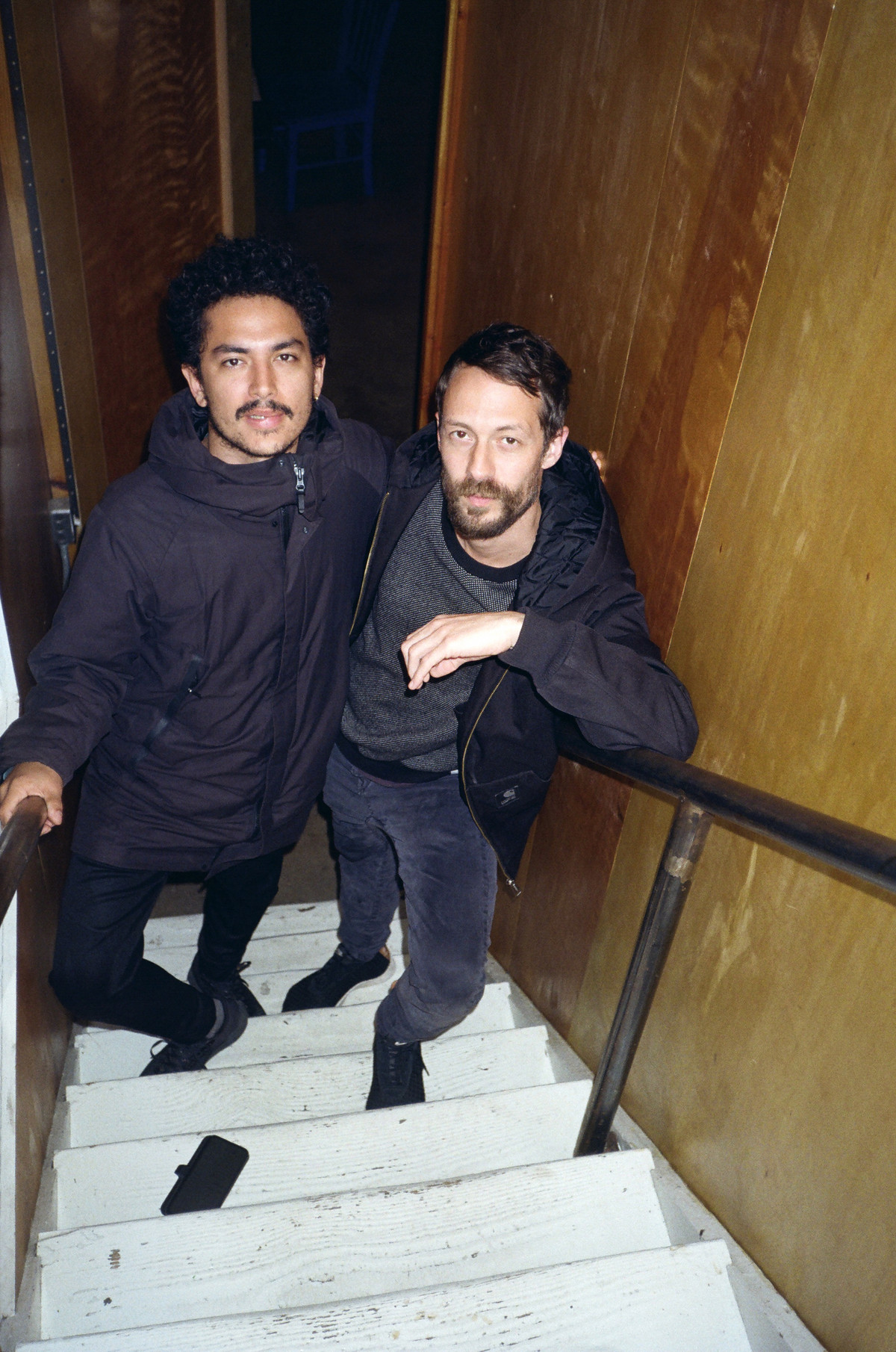
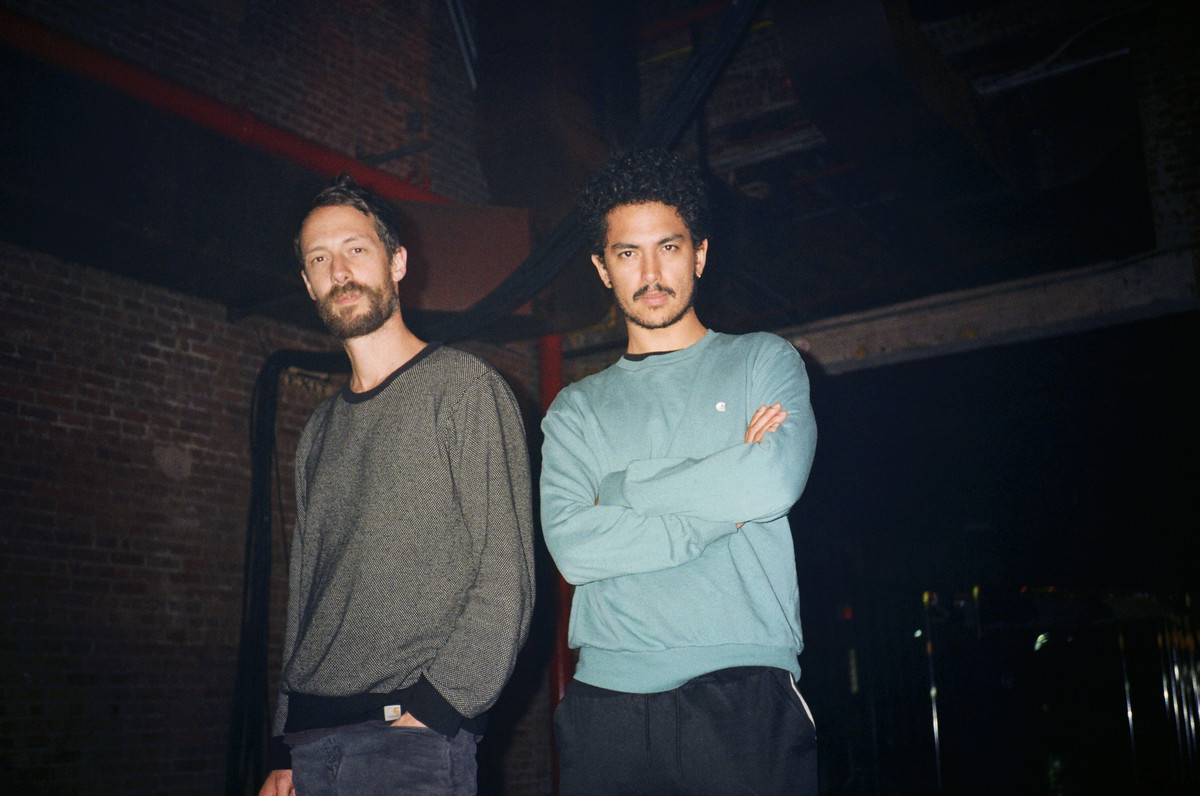
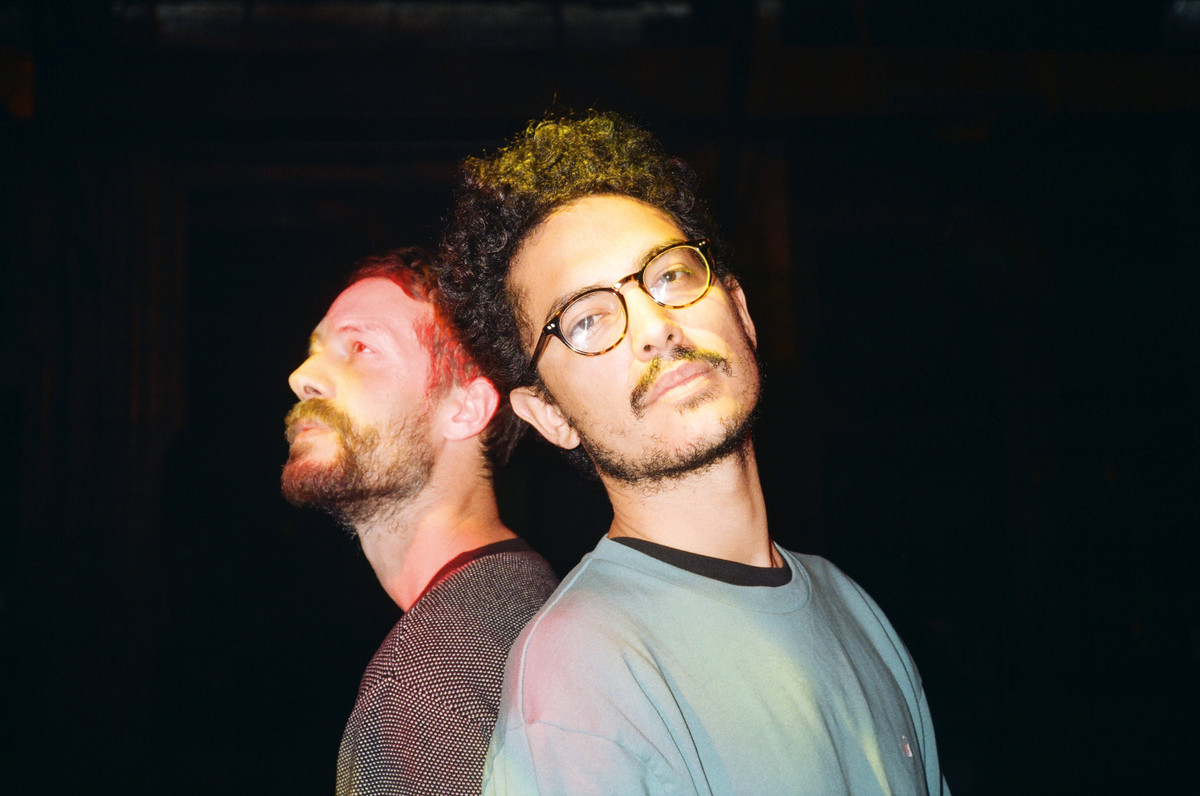
Currently on their first North American tour supporting their debut album Dancehall, office snuck backstage before the duo’s show at Knockdown Center in Queens to chat about their work.
You’ve been known for pairing your music with striking videos ever since your first single “Virile” in 2016. Did you always want to have strong visuals as part of what you do?
Yes, of course, since the beginning—it was always very natural. I was in cinema school and Guillaume made some music before that, so it was natural that our paths would cross at some point. Our first work was at the end of my studies—I had to make a music video for my own project and I asked Guillaume to create some music that I could cut anywhere or remix, because I wanted it to fit with the images I had in mind. That was our first collaboration. After that, I went to Guillaume's studio in Dijon, and we started doing more music together. The music started to inspire some images and stories, so naturally we said, ‘Okay let's do some music videos’ with the music that we love.
So, your music and visual collaboration was like that from the jump?
Yes, it was always video and music at the same time. We love that we have the capacity to work with both aspects of media—imagining the images and the music at the same time.
Do you usually think of a song first or the visual concept?
We can begin with a sound or begin with a video—there’s really no rules. We just go into our studio—in our bubble—and just try to let things come naturally.
Is one aspect of a project ever finished before the other?
No, never one before the other. When we make a video, we continue working on it, and on the music, until we know ‘Okay, now it’s finished’ because all of the images fit with the song. We never finish a song and say, ‘Oh now we’ll make a video.’ We’ll have the beginning of sound and say, ‘Let’s make images to go with that,’ and then we keep going.
Your music videos have been viewed millions of times and won a lot of awards. Why do you think so many different people can identify with your projects?
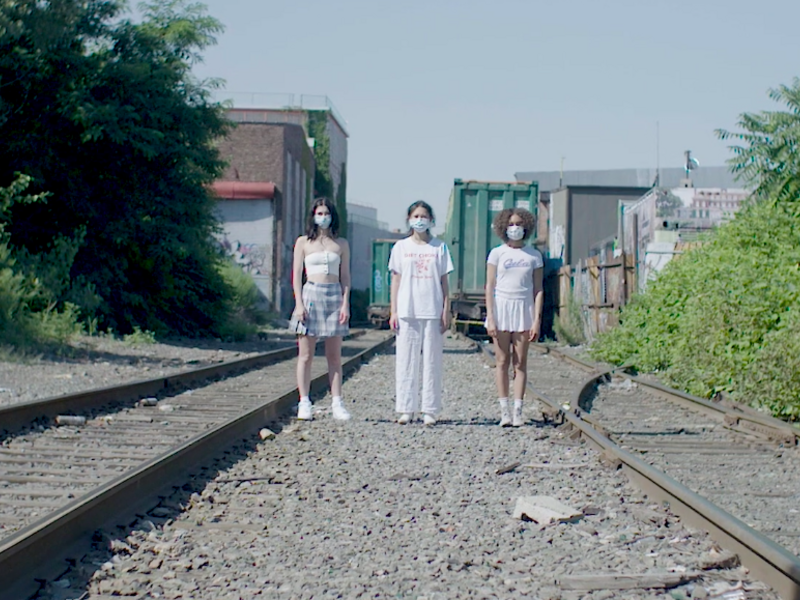
We put a lot of personal stuff into the stories we write—we want it to be universal each time. Take “Queens” for example; we don’t know if the two girls are sisters, or they’re cousins or they’re together as a couple. We don’t really want to tell the truth—it’s up to the audience to imagine their own story. That’s the first thing. The second is that we really try to be sincere with the emotions that we’re sharing, by adding a lot of personal stuff. In “Territory” when the main character beats on his chest—that’s something that my brother did when he was playing with his child, so we said, ‘Okay, there’s something interesting about filming a guy doing the gorilla,’ and it’s something that happened in real life. Also, the whole idea of the guy returning back to his family—it’s very sincere and people can feel that sincerity and depth of emotion. Emotion is universal. We talk about dancing, crying, smiling—all of these strong feelings passing through your heart or your mind. It’s how you reach other humans, because we’re all the same in the end.
The beginning of your first video, “Virile,” features a quote by Nat King Cole: “You call it madness, I call it Love." Why’d you choose that quote?
We included that quote because, for us, Nat King Cole is a huge musician and we wanted a quote from a musician. Once again we’re talking about love in that music video, but it’s love with a capital ‘L.’ We put the story to the music, but we didn’t want to specify if the two guys are together or if they’re friends. It’s up to people to imagine whatever they want.
It’s a perfect precursor to your output so far. That sentiment, at least to me, carries through everything you’ve done as The Blaze. Are there any musicians you’re particularly influenced by outside of Nat King Cole?
We’re influenced by a lot of musicians because we listen to all kinds of music—from classical to hip-hop, to electro, of course, and reggae. The important thing for us is to find emotion in the music. When the music gives off emotion we don’t care about the genre—we can hear it and it inspires us.
You guys shot the video for “Territory” on location in Algeria and “Heaven” in Cape Town. Are there any other locations you’re eager to work in?
We don’t specifically choose many of the locations we work in. First, we have a story that we imagine, then we find the location. We don’t like people to really know where they’re filmed because it’s hard to be universal if people are like, ‘Okay this is South Africa. This is a story about South Africa,’ because the story is really about the whole planet. So, “Heaven” was shot in South Africa, but it could just as well be in France. When we wanted to shoot the video it was winter in France and we needed to find a big tree, so we did a casting of trees all around the world before finding the perfect one in South Africa.