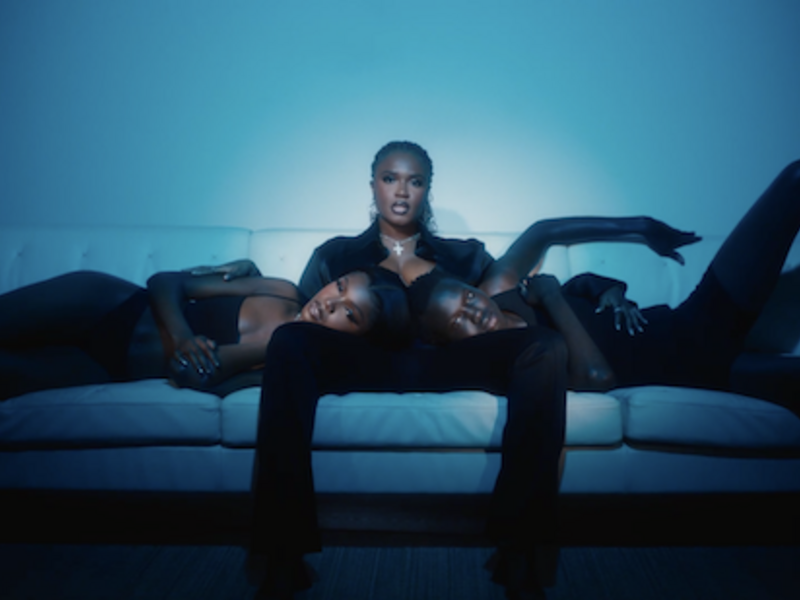
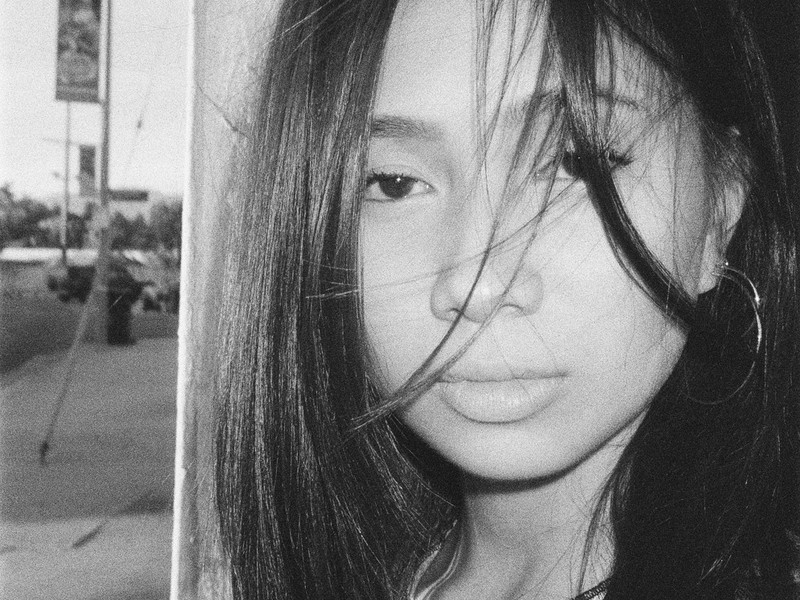
MIRRORS
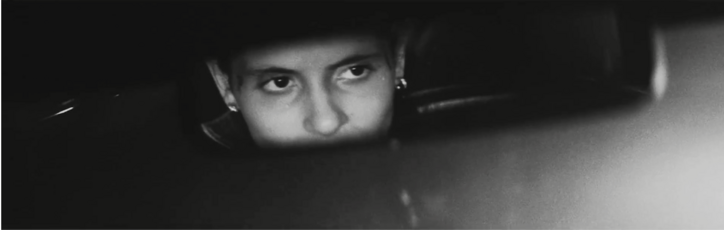
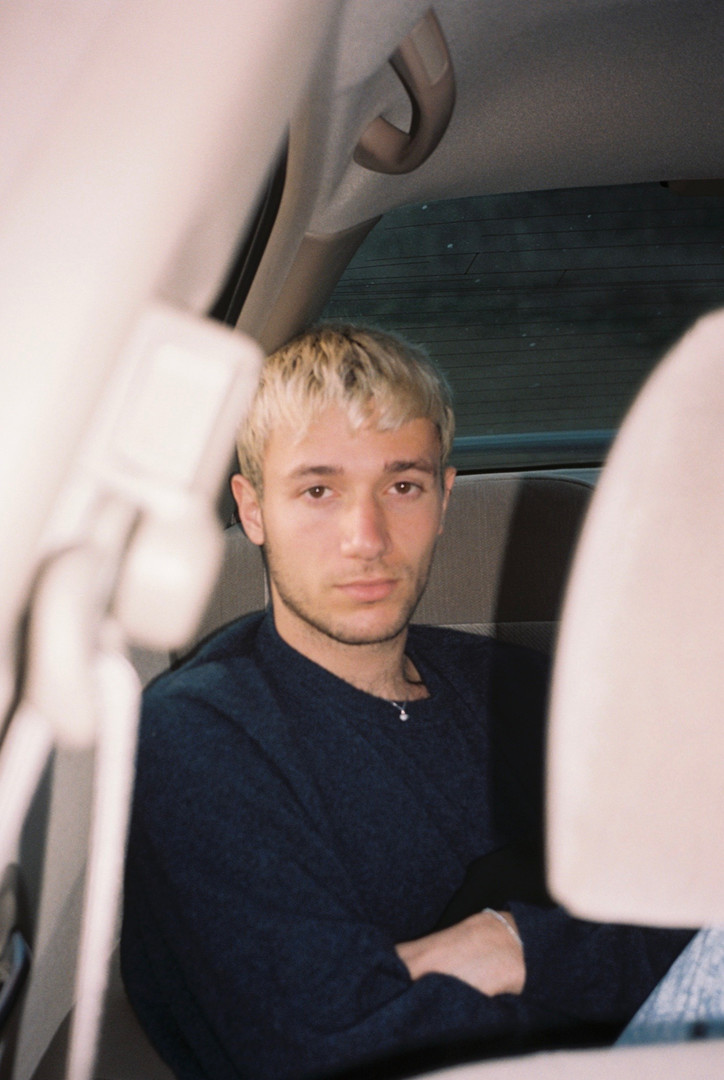
Check out love is not dying and office's exclusive interview with Zucker below.
Hi Jeremy, how are you doing?
I'm doing solid. I'm living in Brooklyn right now with my roommate just hunkering down, getting through all this nonsense.
What has quarantine looked like for you?
I've been cooking a lot, trying to stay active and working out inside. I've been making a lot of music from home. My studio is like a short walk from my apartment, so I've been doing that. I just put out the album, so normally I would be flying around doing a bunch of press. I'm sort of doing all of that remotely, which allows me to spend more time making music, which is nice. But I still sort of feel stuck at home.
Congratulations on your album, by the way. How are you feeling since putting it out?
Definitely relieved. The weight's off my shoulders. It's a project that I've been sitting on for quite a long time. I'm really excited that it's out there. But, you know, I'm already sort of thinking about the next thing, but I guess I'm just anxious for the project to be like out for an extended period of time just so I can like see how it affects people and how the songs grow and exist in people's lives. That's always been my favorite part about like looking at the data and stuff, seeing how it's changing over a long period of time. But while I'm doing that, I'll be writing new music, which should be really exciting.
Speaking of music, what kind of inspired the title for your album, love is not dying?
A really specific life experience shaped that title. But, you know, the album is really about a lot of different things, but I feel like love can mean a lot of different things to a lot of different people. I guess the easy answer is that it's about a lot of different kinds of love and all of these scenarios that I found myself within the past year and a half—some really nice and some really difficult. I don't want to get too much into the specifics of the title, because I do want to leave it open to interpretation.
You've talked about how a theme in the album is accepting beauty in a moment while knowing that things aren't perfect. Do you feel like that's something you've had to learn to do?
In this case, that was about a specific scenario, but I think it is a difficult thing to live in the moment and accept the present and not worry about the future. It's a difficult thing, and in some situations, it can be a mature thing to do and in other situations, it can be a naive thing to do. There's a lot of gray area between those and that sort of dynamic. It definitely influenced a lot of the themes on the album.
And on tracks from this album like "always, i'll care" and "not your friend," you touch a lot on change and transitions in your own life. How do you feel your life has changed since your breakout single "comethru" in 2018? Has it changed in ways you didn't necessarily expect?
Yeah, since "comethru" popped off in the U.S. and overseas—I don't know, I mean that happened as I was writing this next album. So, I guess the main thing that it did was instill me with a lot of confidence and trust in myself. It basically reaffirmed that I wasn't making this albumto, like, be heard. I wasn't writing this album to bring in more fans or to prove anyone anything. I was writing the album for myself, to make a project that I believed in and that I could fall in love with. I think the success of "comethru" put me in a place where I didn't have to worry about if people were going to like it or hear it. I just knew that I had to make the project that I wanted to make.
You detail and explain a lot of your songs on Genius. So why do you feel like it's important to give your listeners that level of context?
Just being a fan of music in general and in the context of my own life, it's always just really interesting to hear what the song means to the person who wrote it. You know, that sort of became like the truth behind song. So, it's just fun to, after a song's been out for awhile, to just let people know like where it came from and why it happened. I think context is really important to music. I mean, a lack of context can give people the freedom to take what they want from it. But the context—I think there's a lot of beauty and truth and honesty, and that's definitely something that I hold very close to music. So, I think context is important in that regard to me.
I really enjoy reading your blurbs about your process on Genius. Putting stuff up on there gives people the choice on whether they want to interpret it themselves or learn more about the artist's intentions. Obviously, your listeners will take away whatever they want from it, but what do you want people to take away when they listen to this album in particular?
I hope they feel comforted in the music—that listening to music makes them feel safe, and it makes them feel good, that they can always find solace, enjoyment and peace while listening to it. I also hope that there's some level of understanding—where the person listening has an understanding of the emotions that I'm feeling in that song and, vice versa, that the song understands what they're feeling. I hope there's some sort of a connection there.
I love that. When I was reading up on you, I learned that you got your pre-med degree before you decided to pursue music as a career once you realized you had a lot of traction and even record deal offers. Do you have any advice for other musicians who are thinking about making that leap?
Yeah, I would say being realistic is really important. I never really took the leap. Like, I always saw school and music as two very distinct things. And if you're in school and pursuing a reliable career, in my opinion, it's not worth it to drop out and pursue music full time without a realistic way to make income in between. Just because it's not hard to do both in the sense where like when you're starting out a music career and you're making music yourself, you don't need to spend time doing other things like going on tour. People are listening to your music, and that can all be achieved just by releasing music online. So you know, in my case, I started releasing music at the beginning of college, and I just kept releasing music on SoundCloud and Spotify while I was in college. After those four years, I had grown a pretty significant fan base, and my music career was waiting for me, and I didn't have to drop out. So, I just graduated and had two months after I graduated before I went on tour. I haven't looked back ever since. So, I think it's very, very doable to do both. And I did it, you know, with a hard major. I'm like a solid student, but I'm not an unbelievable student. I just made it happen.
What are you planning to do to connect with your fans now that your tour for the album has been postponed?
I think social media is the only thing I can really do—social media and live streams. I've been trying to be active and honest, trying to connect with people in a way that feels natural to me. It's just so hard when there's nothing too glamorous to share right now, and I think everyone's feeling a little weird. So I think it's just little moments. You can't really replace tour with anything, because there's nothing that compares to being on stage, singing music together with fans. But the closest thing is probably live streams, so I've been doing a couple of those and have a few more planned.
A lot of the tracks on this album sound like they're about or inspired by particular people in your life. Do you think the people you wrote about know when they listen to a song if it's about them in particular?
There's a lot of truth and honesty behind my music. So, everything is about a specific person or another. You know, there's Julia which is explicitly about this person named Julia obviously. Then "always, i'll care" about my friend Jamie, I sent the song to her after I wrote it. A few of the others are meant to be more anonymous. The people who they're about, some of them realize and some of them don't. I don't want to tell them, because I don't want to hurt anybody. But for the more meaningful songs that are more earnest and honest and I'm trying to express something to that person, they probably know that it's about them. But yeah, I mean that's what holds a lot of magic in my music—the fact that it's real.
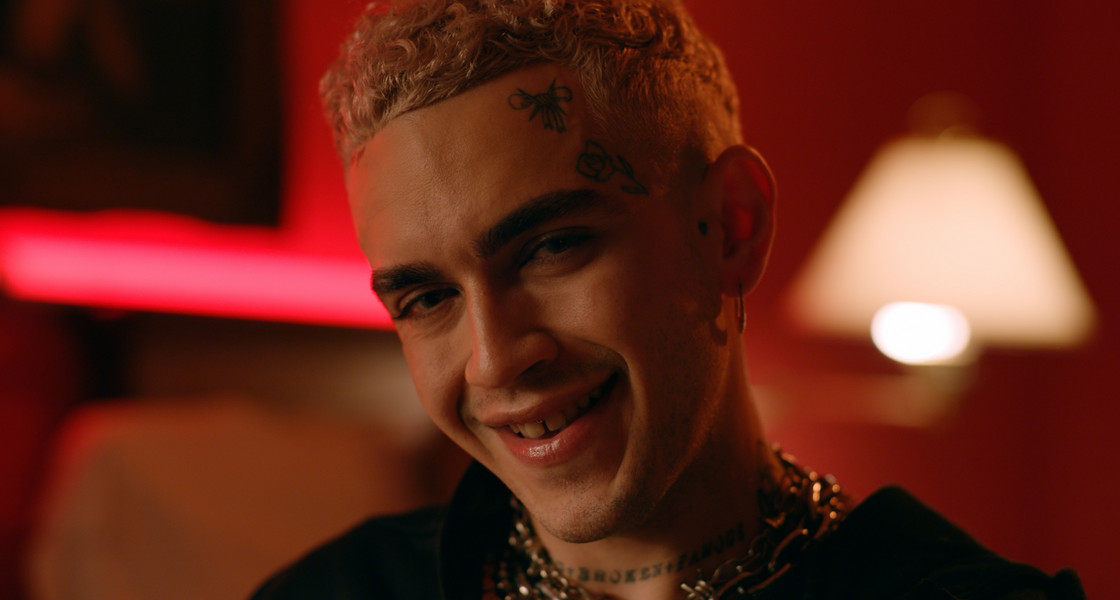
After a year out in the world, he's back with the lead single "unavailable" and a UK-influenced five-track project that remains personal while leaving a lot of energy on dancefloors and in bedrooms. office phoned Joey up to learn more about the EP ahead of its release and talked about the hurdles of making an album while the world is spinning out.
It’s been a year since the release of your last project Tears In My Hennessey, which I understand was recorded during a really difficult time in your life. After getting a chance to hear the EP I would say enemies of progress has a much more optimistic tone, or at least one where you’re ready for love and affection. How do you feel you’ve grown as an artist since Tears?
It’s funny cause I hadn't listened to the other project in awhile but I listened to it this morning and was like, “Wow, I was so scared to make music when I was making this.” I think after putting out that project, and the response went well, I gained a bit more confidence in just making music.
I also spent the summer in London, I was there for three or four months. I have a lot more music-friends there than I do in New York and so over the summer I was just hanging out with people that helped me find the courage to make music again. I wanted to keep making sad music but make it a bit less...I felt disconnected from that record because it’s fun but it’s very specific. It’s a point in time.
Tears is a somber record. It’s heavy.
Yeah, it’s a heavy record. And when playing live shows there was a disconnect because I love the project, but for me it’s just something to listen to. It felt disconnected from everything I’ve ever done as a DJ. It was already weird being in this transitional period—going from DJ to producer to like, being a full-on showgirl. So I was like, “This is good but it doesn’t feel like me.” I wanted the new project to feel like an extension of everything I've done and I feel like I did that with this—subconsciously. I realized that while I was making it, like, “Oh I could actually still DJ during my live sets and have a moment.” Cause it just all goes together.
I love that enemies of progress has a heavy London influence; I can hear that in the sound now that you mentioned it.
The EP’s name actually comes from my friend Mischa, who throws a party in London called PDA. It’s been going for maybe the last seven years.
Yes with Ms. Carrie Stacks, and Crackstevens! And Jason! We love.
Exactly! So Mischa’s like my best friend, I stay with her when I’m in London. Over the summer she threw a one-off called “enemies of progress,” and as soon as I heard that I was like, “Oh this makes so much sense.” She’s kind of the only person I ever talk to for advice, and she just gets me. She’s really insightful. So this project is kind of about all of that too. It’s about all the conversations we were having about getting in your own way and getting rid of all the things that get in your way in order to be happy.

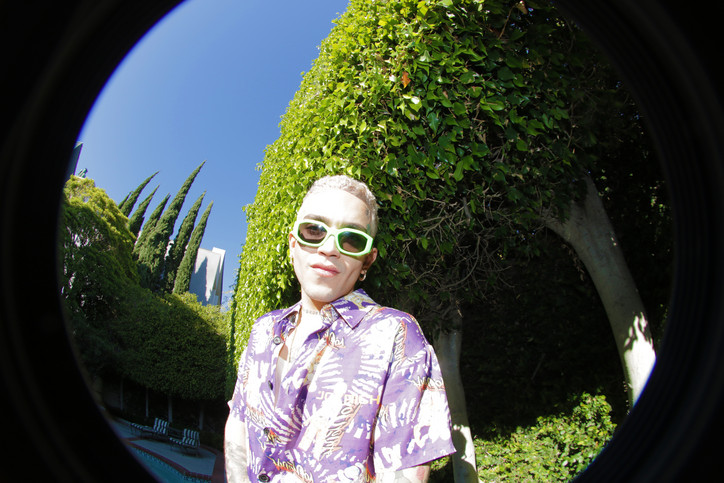
We adore the video for "unavailable." If I’m not mistaken it’s your first visual to go along with a studio track, right?
I had a video for my first-first project Shattered Dreams but I took it down cause you know, fresh start.
Totally.
"unavailable" is my first video where I came up with the idea, and even specific shots from what I pictured in my head while I was making the song. Seeing them come to life was really weird!
Did you enjoy the filmmaking process overall?
You know, I have this thing where I self-sabotage when I’m really nervous. [laughs] I’ll be like “This isn’t going to work out, I want to cancel this right now, I don’t want to do this!” But it’s different when you’ve got a crew of fifteen people waiting for you to show up. I was like, “Alright, gotta put your big girl panties on.”
It was all kind of weird because I was in London the week before we filmed, and I went to LA straight from London. I came up with the idea while I was there, and we pulled it all together in a week. But the most nerve-wracking thing for me wasn’t even that I had to do all of this for the first time and perform for a camera and all of that. It was more that I had to do all of it on my own; there was not one person there that I knew or had met before. No friends, nothing.
Total fresh crew.
It was like, “Oh shit, I’ve really got to do this on my own. Fuck...” But then everyone was super nice and it just kind of—it felt right. It was a lot of fun for me. It was a long day! But lots and lots of fun.
You have a really killer screen presence in the video and it totally compliments the track.
I was nervous about how people would respond to seeing me on screen. I was shitting bricks the week before the video came out. I was like, “Oh my god, everyone’s gonna think I’m a joke.” But it’s been good. It’s been great.
Are you planning more visuals for anything else off the EP?
We did but then all this shit happened, so I’m gonna try to find a way to make it work at home.
True, we’re all adapting to the situation.
I think it’s about Go-Pro life right now. [laughs]
We bumped a press copy of the album and I have to say that move on was definitely my favorite track.
That’s the first song from this project that I made. I made it in London on Mischa’s coffee table.
It’s incredible! You could dance to it on a night out or alone in your bedroom.
You know what’s crazy? Those are demo vocals that I just made while I worked on the song in the background but [Mad Decent] fought me to put that song on the record. I didn’t want to put it on this project at all but they were like “Please Joey, please, please, please can you just put this song on?” and I was like, “Oh fine, fuck it let’s just do it.” And everyone who I’ve shown the record to, that seems to be their favorite song. I love the song now, but I didn’t think I wanted it on this project because it felt too close almost to what my last project was. It’s different now though—now that I’ve listened to it a lot it’s so different.
What’s the story behind the album cover?
Well, before the album art came, when I was making the demos, the cover image was that meme of Kylie Jenner putting on clown makeup. I was like, “Me when I say I’m never talking to him again.” [laughs]. That’s what I thought of when I think ‘enemy of progress’—that was in my head. Just getting ready to go do some dumb bitch shit.
Who shot the cover?
His name is Jason Al-Taan—that shoot was fun! The crazy shit is, the day we shot the album cover and my press photos, the studio we were using had a bomb threat so we had to do a whole last minute switch-up. It was in LA the day after we shot the "unavailable" video and we actually shot the cover in the Mad Decent office.
Wow, you really pulled this project off amidst a lot of the chaos we’re all dealing with. As a fan of the EP I gotta express gratitude for the new music, we could all use it right now.
I actually just remembered yesterday that when I came back from London, it was October, I had started working on the EP and also went to help my girl work at her hair salon cause she had just opened her own shop and was super busy. I was walking home through SoHo, going to the train, listening to the demo over and over, and I get fucking jumped by these two guys that almost hit me with their car.
Joey!!
The music was playing in my ears while it was happening and I was like, “Wow this song better do some shit when it comes out after this.” There are no cars on Lafayette at night time, and as I was walking I heard a car zooming past me really fast but by the time I crossed the street and turned to look at it they were right in front of me. It was a red Mercedes with blacked-out tints, of course. And I slammed on the car cause, obviously that’s what I’d do.
I mean this is New York. Don’t drive into me.
Right! So they like got out and fought me. And I was just like...it was really hot. [laughs] Like I turned around I said to myself, “Oh you’re about to get your ass kicked by these two hot guys.” They were so hot with their Adidas tracksuits. Oh my god.
Girl I can’t.
I stood my ground though, that’s for sure. They weren’t expecting that but I was like, “Damn this is so hot, I can’t wait to tell my friends about this tomorrow.”
I’m really glad you got away from that situation and honestly I’m glad that it was sexy too. But like yo, back off! We need our musicians.
I was like, “Well this song will have a way more special meaning now. I’m clearly doing something great and need to keep going with it.”
That’s a very New York experience. You talk about another very New York experience on cuffin season. We all want to be with someone when we’re stuck in the house. Did you write that song about a specific relationship or just the vibe in general?
cuffin season is a little bit more general but it was written during a time where I was talking to this boy and he was just like, so hot and cold. He would wanna chill, then he would just like ghost me for a few weeks, then he would wanna chill and I would fucking go hang out with him when he hit me up. Then we’d hang out for like two days and I wouldn’t hear from him again. The song is honestly about—guys always think that because I make music and DJ that I wanna like, go out and rage on the weekend and do the most drugs but I actually wanna go to sleep at 10 and smoke weed. And watch like, Law & Order.
And eat some Haribo.
Like actually. It’s really just about all the things that I want in that way. I didn’t want that guy to be my boyfriend, he’s not boyfriend material. I’m just like, “It’s cold, it’s snowy. I wanna hook up!”
I also love the last part of the song where you’re like “This is just for the season babe.” We’re going back to wild for the summer.
Yeah summertime, forget about it. We’re going out. I actually don’t talk to boys in New York. I only talk to boys when I'm traveling. I have little boyfriends everywhere. So like, yeah I actually do wanna go kiss boys all around the world just not here. It’s all about the different country codes.
I can relate. WhatsApp, let’s get it.
The WhatsApp camera is way better!
It is! I also wanted to talk about the track onethatiwant because I miss the dancefloor terribly. It’s such a pure and seductive track. Did you find inspiration for that just from your life as a DJ or was that literally about someone that you’ve met?
That song is about that one specific boy and it’s about one specific night. I DJ'd Frank Ocean’s party on Halloween and he was my date. Like before it was platonic and I didn’t know if he liked me or not and then that night he totally made out with me and afterwards we were dancing it was so cute. And then after that night it was hot and cold so yeah—it’s about that night.
I love that these are love songs about boys that I can also dance to. You’re breaking into new territory there because there still aren't a lot of artists making music like that.
The impetus to make the music like that came from my Kelela remix.
You mean the Better remix that I listen to like every day? Is that the song you’re referring to?
Yes. [laughs] I made that song in London too. It’s just one of my favorite things that I’ve ever made to date. Obviously I’d be completely lying if I said I wasn’t inspired by Kelela and really any female vocalist. That’s what I always listened to growing up, there were no gay men singing about that shit. I never really wanted to be that, I feel like the fact that I like boys is arbitrary but it’s like okay, well, nobody else is doing it.
We need this music right now. Whether you’re in your 20s, 30s, 60s, or on up. I’ll sing with the girls all day but it’s always great to hear it from a male vocalist.
It’s fun. It’s been really fun. I can at least make honest music. Because honesty is something that goes further than just hype. It doesn’t have to be too produced and perfect. It’s been nice to feel that people are kind of catching that vibe; it’s relatable. I’m really excited for people to hear it and I’m really proud of it.
I just started listening to it again recently because I’ve been working on new music ever since I got back from LA. I’ve kind of been locked down since February cause I got back from filming everything and was super inspired by the trip so I locked myself down to make music. And so, to be working on new shit that’s almost even better than this, and then to listen to it, it’s like, “Oh my god, so weird.” I still love it just as much.
For now we’re all just doing what we can to keep moving through the day and enemies of progress definitely made me better.
I’m ready for it to come out! I’m about to pull an Ariana and release two projects in one weekend. There are like twenty new songs that I’m sitting on and getting antsy. It’s like when you get money in the bank and gotta spend it. So good.
What have you been doing to keep yourself balanced besides making music?
I honestly haven't worked on music in like two weeks. For the last year I’ve been taking music really seriously and been trying to make music like almost every day or do something that involved making music, whether it was watching stuff or learning stuff. And so I never really hang out, I leave the house like once a week generally, like outside of a quarantine world. So I’m kind of enjoying doing nothing for once.
It’s like a weird pressure to be like, “Oh I’m locked up, I’ve got to get my shit together so that when we’re out everything is good to go,” but I’m actually not somebody who knows how to chill and relax, I’m always like “I gotta work." So I’ve just been enjoying it. I’ve been blowing through seasons of shows like it’s my job. I’ve watched Hustlers at least three times. I watched it on a plane but they blocked out everybody’s titties and I felt like I wasn’t actually watching it the right way.
How do you think the city and nightlife will evolve once we’re past this phase?
You know, blind optimism isn’t going to get anybody anywhere these days. That’s kind of been the weird thing about putting this project out, usually what comes with that is like shows. Obviously everyone's had to cancel their stuff. We don’t know when we’ll be able to link up again, cause it doesn’t look like this summer. It’s not looking like we’ll be able to do this any time soon. I’m not sure how I feel about all the internet clubbing. I find it very strange.
It’s something but nothing truly compares.
I’ve said no to everyone. I’m glad it’s there cause some people need it, it’s great. But like yeah, no. I need a really sweaty, smoky room that smells like that weird mop smell you know? I miss that.
I feel like whenever nightlife starts back up again it will go back to that like—you know, people used to move to New York because of the nightlife. I feel like maybe this might be that moment again. People need this again finally. It kind of got so static-y here for a while, where people were just throwing parties for the sake of parties. I feel like the effort might come back like it was in the early 2000s when I was partying.
I feel that way too. Everyone can take a step back and get excited about things again.
Bring back The Tunnel!
That’s what I’m saying. A little Palladium, some Limelight. The Mineshaft!
That’s what I’m saying.
Where’s the first place you’d want to perform enemies of progress once we’re all back outside again?
London first and then New York. Playing here is always weird. It’s like playing in your own city for everyone is always strange. People are tough in New York! I’ve never really felt the love until recently.
I agree that it’s definitely tough. You are beloved here!
We’re all just prisoners of our own thoughts at the end of the day. [Laughs]
Very true. We’ll meet you in London for the release party then catch up again for the New York shows.
I had such a vision for a release party. I really wanted to do it at a strip club but that’s not gonna happen. We’ll find other ways. It’ll be right.
Listen to Enemies of Progress below.
On this album, each instrument sits distinctly apart from one another, so their tenors and harmonic contributions can be easily picked out. Wood flutes hover above round 808s; simple melodies on the piano poke through swirly sheets of retro synths. The combination is familiar and foreign. On songs such as “Blueberry Beads,” it’s as if David Axelrod scored the soundtrack to a Nintendo Gameboy game. On others, like “San Nicolas Island,” it’s as though the expressive muzak at your favorite Chinese restaurant was covered by Daft Punk.
office caught up with the composer to talk about meeting Karl Lagerfeld, third-generation exotica, and how his time with guru Sri Dharma Mittra has influenced his music.
Your last LP, a visual album Travel, featured a lot of found footage. Why'd you op for previously recorded footage instead of recording it yourself?
I was really just working with the means that we had. It was more just to have a visual component. I actually ended up doing it again down the road. On Tuscany, my piano album from last year, we did a bit of found footage.
Have you found any benefits to using found footage?
Aside from the obvious, that it's easier, it's just cool to do. Especially with my music. I'm not gonna make a music video where two attractive people meet at a party and fall in love, let's say. It's not the kind of narrative I'm creating. So in a way, it's cool to use things that already exist, because I'm not really a fan of narrative music videos. I'd rather have it where you can just listen to the music along with light, visual suggestions of something.
I read in an interview that you have a guru, Sri Dharma Mittra.
Yeah, he's actually in New York. He's a very accessible guy. But I wouldn't say he's my personal guru—it's not like I go to his house or anything. Though, he is the person I study yoga philosophy with very intensely and who I refer to in times of confusion. He's been very helpful to me and to a lot of folks throughout my life. His teacher, known as Swami Gupta, was one of the first to bring yoga to New York. That was probably, 1940s or '50s. Dharma Mittra is actually himself Brazilian, but he read a book about his guru and left everything behind in Brazil and came to New York, really never looking back. He's done a lot in New York to pass along that tradition.
How'd you find him?
I found him because I was practicing Bikram Yoga quite intensely, which has since fallen apart because of scandal. One of the gentlemen who was actually the Bikram World Champion, a guy named Jared McCann—also just a phenomenal yoga teacher in New York—he came in and saw that I was going to Bikram a lot, and he said, "Oh, this is cool, but you got to go check out Dharma. He's up in Flatiron. You got to go take his class."
Do you find that your yoga practices make their way into your music?
It does. I released an album a few years ago called Meditations in Music, and that was recorded when I felt I was at a very peaceful place, really sticking to his teachings a lot, following a calm and peaceful process throughout my day. Since moving back to LA and being away from him and his teachings, I think I've maybe fallen off a little bit, but it works its way in my music a lot. On my upcoming album, the first song, it's called "Blueberry Beads," is also inspired by him. "Blueberry Beads'' is another name for rudraksha beads, which are kind of like rosary beads for a yogi. [Mittra] is a very funny guy; he always keeps things very light. Almost at the end of every class, he says, "Hey, I'm just passing on to you what I found helpful in my life. If some of this doesn't resonate with you, no pressure." I like that approach a lot. In my music, I wouldn't want anyone to feel like I'm belaboring any point or overemphasizing any kind of spirituality.
I'd love to know more about your introduction to music. When did you start playing?
I started playing when I was 13 years old, when I started piano. I was studying with this really funny dude, a kind of neurotic Woody Allen–type dude, Roark Honeycutt. I really enjoyed those lessons. He was a great teacher, because he just made it fun. A lot of times we would go into the lesson and just talk the whole time, bugging out on stuff. On whatever. I remember there was a stain on the ceiling this one time, and I think we talked about mold. I think such a big part about being a musician is actually just being able to hangout and talk to people—it seems like you actually do that more than you play sometimes. On tour, or if you have a gig, you might play for an hour, but you'll be at the gig for five or six. After Roark, I went on to study music at the University of Southern California with a man who became my mentor. His name is John Clayton. He himself was a bass player and arranger in Count Bassie's orchestra. He was first actually a family friend, then when he saw that I was serious about music, I got to study with him.
How does your process change when you're collaborating with someone like Solange versus when you're making your own music?
When I'm collaborating, I'm always trying to think of myself as the accompanist. I'm still learning this, but sometimes all you need to do in a recording session as a keyboard player is just play the most basic and simple voicings and pads. It doesn't have to be the coolest synth sound; it doesn't have to be the coolest voicing. Sometimes that's really all that's required. When I'm collaborating, that's the primary objective. When it's myself, I get to cut loose a little bit. I still try to apply that. I still try to take the simplest approach, but at the same time, I can add more flourishes.
How'd you come to meet Solange?
We were kind of in similar circles in New York. She had been working with Chris Taylor from Grizzly Bear, and I had also been playing in Chris Taylor's side project called Can't. She had done a tune with my friend's band, Rewards. And so we would be playing at venues all around New York, and sometimes she would come in and sing the song. So I got to know her that way. But it wasn't until a fair few years later that I started working on A Seat at the Table.
How was working with her?
Great. She's great. She's really an inspired person. She has a really unorthodox approach to making music, to getting inspiration from different visuals. It's funny, she can talk about jazz, like she'll tell me all kinds of shit I didn't know about jazz, but then I'll see her talk to someone about fashion, and she'll school them on fashion, or visual arts, or movies too. She's really a knowledgeable person, and she would draw on that stuff a lot. She's also very free.
Can you tell me a little bit about when you met Karl Lagerfeld?
I was working with my good friends, Sebastien Tellier and Dan Stricker; we have a band called Mind Gamers and also an LP coming out sometime soon. So, Sebastian had been doing music for the Chanel shows, and he had toyed with the idea of asking Karl to do something for it. He was a little nervous but decided fuck it, the worst he could say is no. He asked him, "Would you maybe want to read this little poem at the top of the song?" The song is called "Golden Boy." And Karl's right hand, a woman by the name of Virginie, got right back and said, "Yup. Come in tonight. Karl shows up to work at 8 p.m. Come in at 7 p.m." We were all so excited. We went immediately to the bar to have champagne to pre-celebrate and ease our nerves. Because Karl is the kind of guy who commands a lot of respect, we didn't want to be too nervous. So we came in with this little intro to the song, and we said, "Karl, we want you to read this." And he looked it over and goes, "Who wrote this?" I raised my hand, and he said [in his best German accent], "It's güd." From then on, I thought, "We're cool. He's happy to be doing this. I can tell." He then told us, "I will do this in Sprechgesang." And we were like, "What is that?" He told us, "It's this 20th-century technique employed by the likes of Arnold Schoenberg." And so he reads it perfectly, and his whole team, all his assistants in the room, start clapping, saying, "Brilliant, Karl. It was brilliant." And it was really true. It was great. He nailed it.
It seems to me that you have a pretty solid grasp of music theory and history, so given that, how would you describe your music?
I think a big part of my music is imagination. You know someone just told me recently, "I feel like I'm in a surrealist painting—but a very simple one. Not like a Dali, where the clocks are melting, but there might just be a statue in the distance, or a mountain, or a coyote." I try to create a space when I make music that you can sit in, a mood. I'm actually very inspired by a Larry Hurd album called Sceneries Not Songs. I find that's a cool way of putting it. For Travel, I was very inspired by the genre exotica, because it tries to elicit a certain vision using sounds that you're already familiar with. So if you're making music about Polynesia, let's say, you would use sounds from the regular, European orchestra, but while trying to make people feel like they are in a certain location. And I thought that was a cool technique—to use your imagination with sounds you might already know.
You've mentioned before that your music is "third-generation exotica."
Yeah. So the first generation would be something like Les Baxter. And then a few years later, Haruomi Hosono's Yellow Magic Orchestra sort of reproached exotica with their own view, using synthesizers instead of orchestral instruments. My third-generation exotica uses synthesizers, uses real instruments, but also samples—things downloaded off the internet or played in contact. But the mindset is still the same, the goal is still the same.
Why the fascination with non-western themes?
Well, my upcoming album My Garden is really more focused on LA, and my previous album Tuscany was really focused on Italy. But I just find it really peaceful. I've been attracted to a lot of eastern ideology. I find that it resonates with a lot of people. When I was living in New York, studying yoga was a really great way to balance the chaos of the city. I've just found it to be very helpful in my life. It's certainly a personal connection. I've always been attracted to mythology, and I've found that the stories in a lot of eastern cultures are very rich and have a lot of meaning.
So if My Garden is focused on LA, what specifically did you want to focus on?
As opposed to my other works, which have been thinking about things far away, for this one I wanted to bring it home and talk about stories, locations, and feelings that are meaningful to me. Like I have a song about Arroyo Seco, which is the natural area near my house where I grew up. I also have a song called "San Nicolas Island," which is about an indigenous woman who was left on an island for 30 years of her life, all by herself, just off the coast of Santa Barbara. Her name is Juana Maria, and she's known as the Lone Woman of San Nicolas Island. Missionaries came to the island, captured her tribe, the Nicoleño tribe, and brought back everyone to Santa Barbra except her. It wasn't until thirty years later that they found her still living there. They ended up taking her to Santa Barbra, but she didn't live long. I think she died of smallpox, or something very common. It's a sad story but inspiring too that she was able to survive like that on her own.