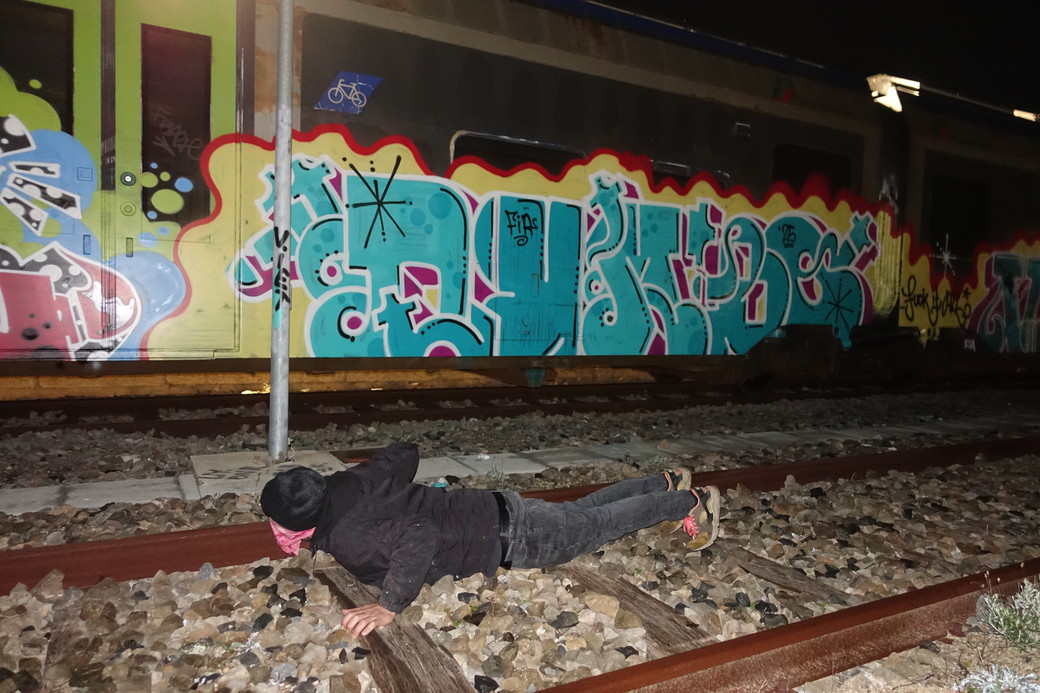
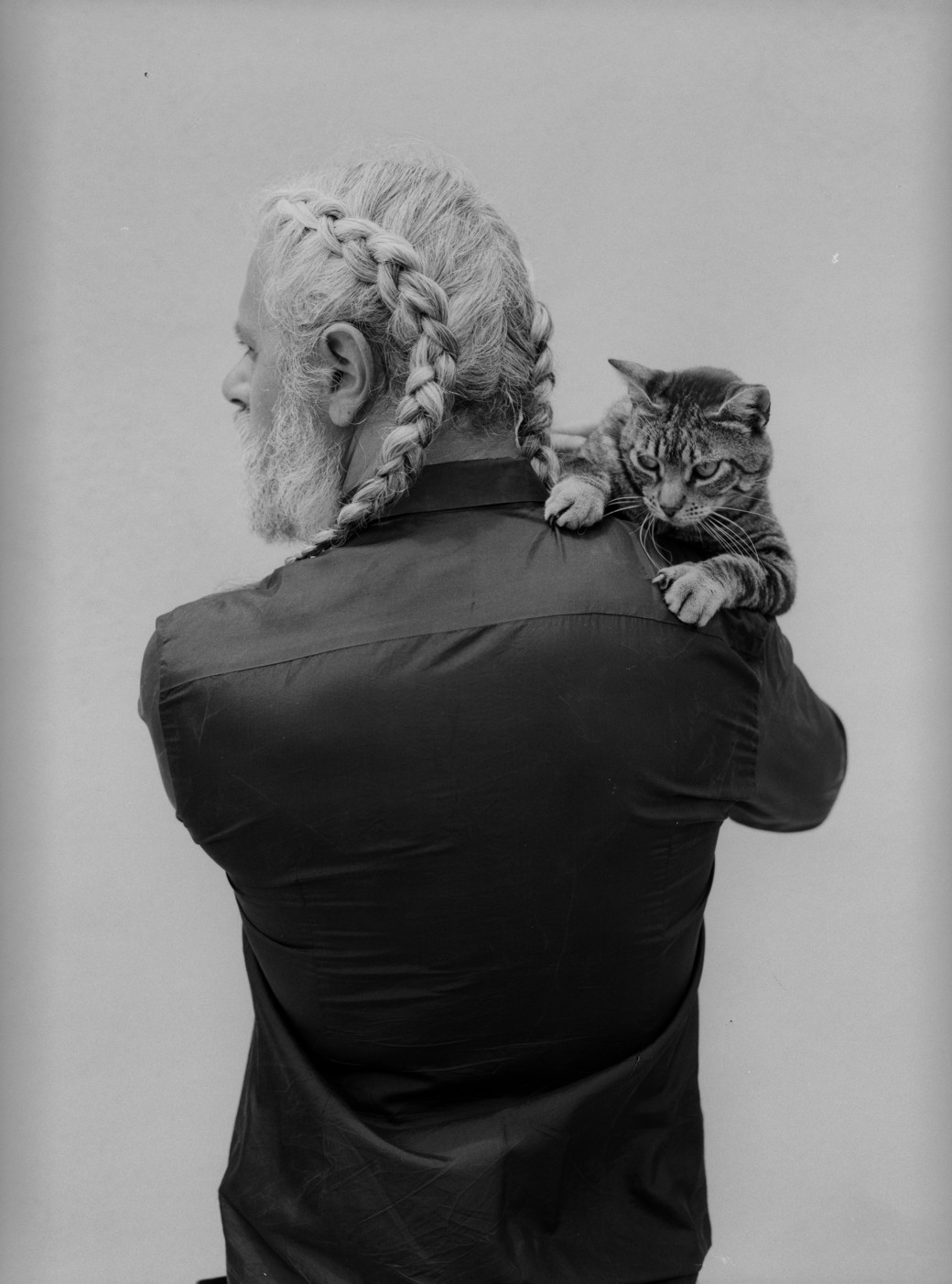
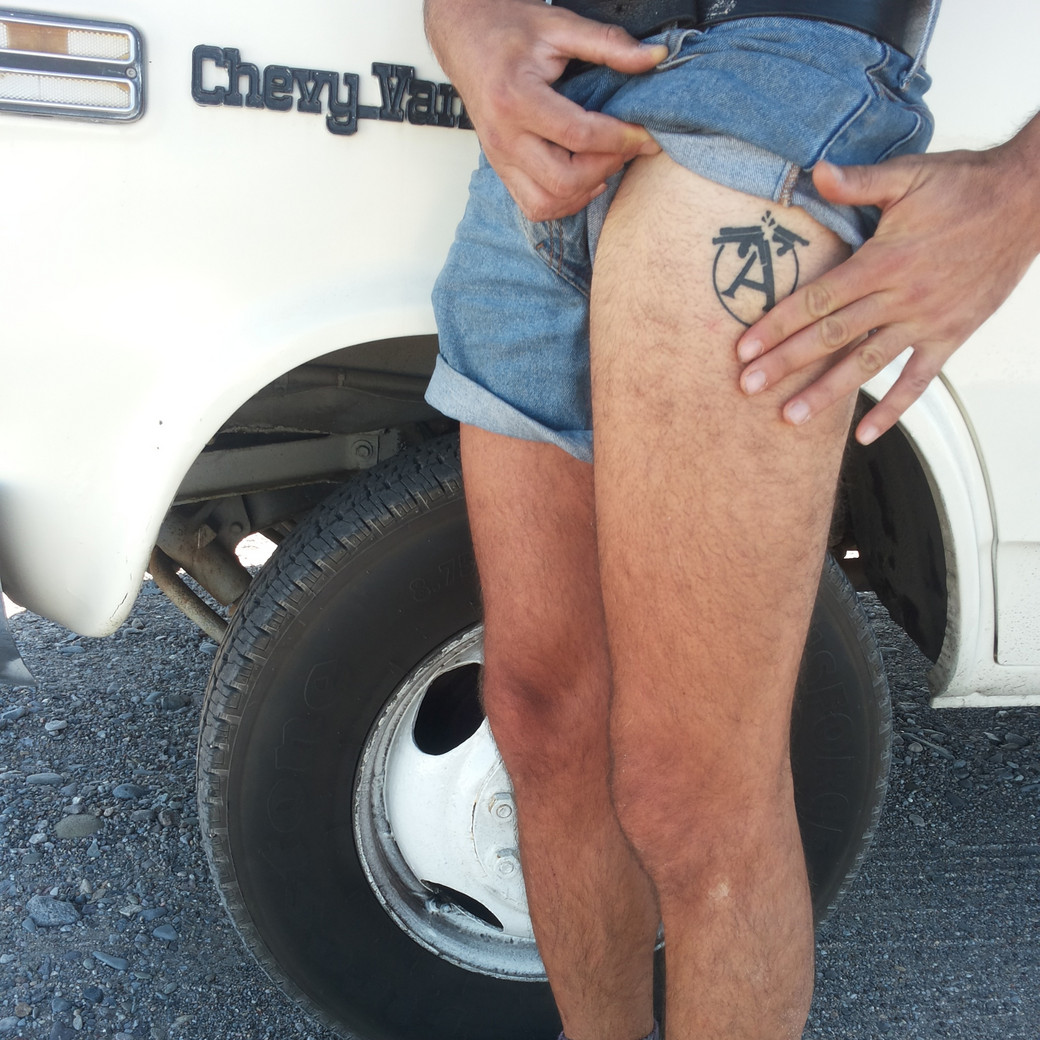
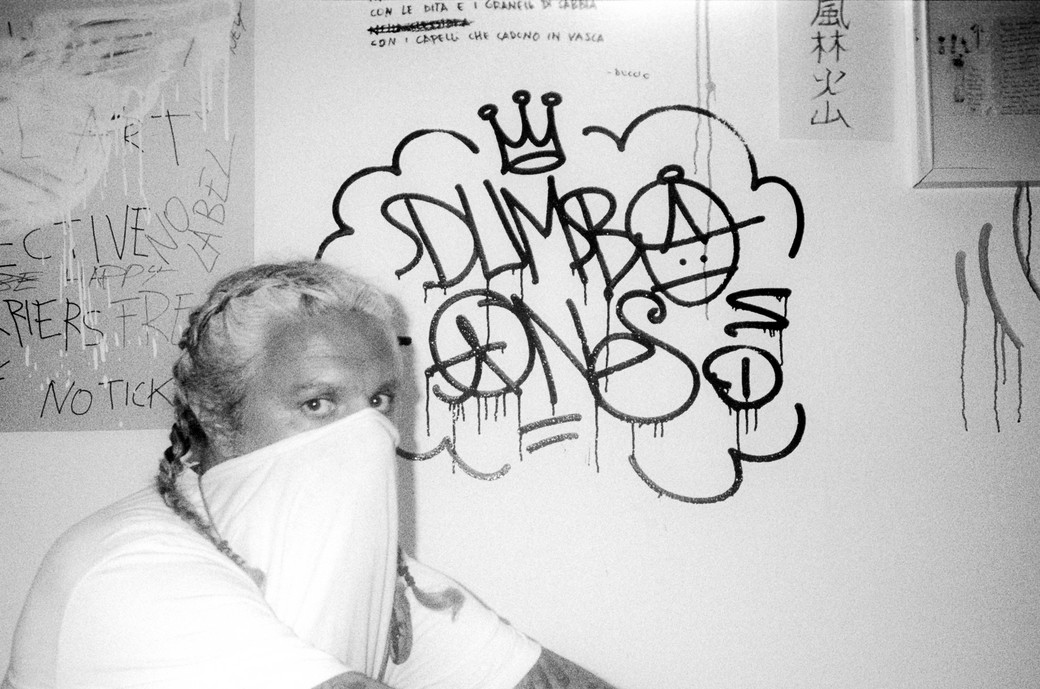
PRESENTE CONTINUO: the intimate ties between then&now
Starting May 30, PRESENTE CONTINUO will be available to purchase on presentecontinuo.com, cpcompany.com, and at the C.P. Company flagship store in Milan, Corso Matteotti 7.
Stay informed on our latest news!

Starting May 30, PRESENTE CONTINUO will be available to purchase on presentecontinuo.com, cpcompany.com, and at the C.P. Company flagship store in Milan, Corso Matteotti 7.

Hello, My Name is… invites the viewer to take an intimate look into the lives of 33 different characters, created and modeled by Lee Cohen based on a collection of old name tags. Using wigs, makeup, and prosthetics, she transforms herself into 33 different characters. Giving each character life and personality, she tells their story through her appearance and the objects she paired with each subject.
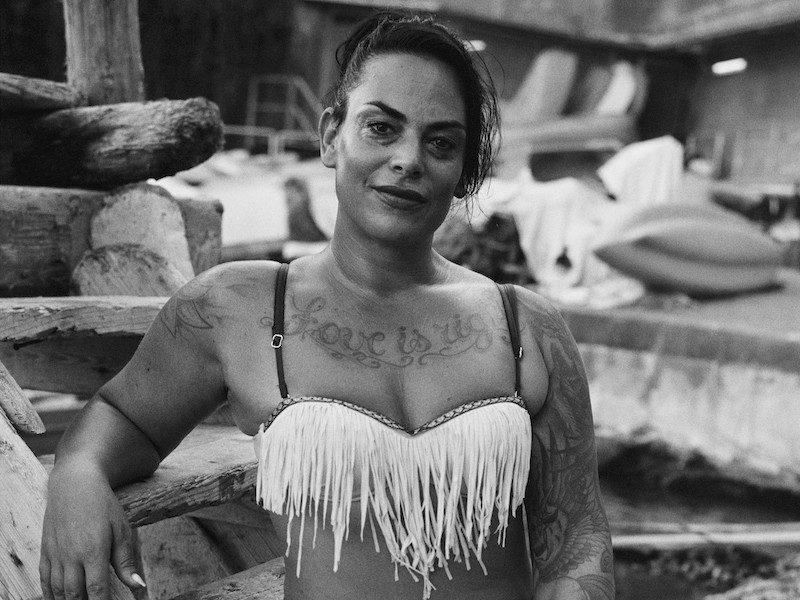
Women, which Lee Cohen released in 2020, features 100 portraits shot in her signature deep and vivid style of photography. Made over six years, Women features a slew of recognizable faces, including Georgia May Jagger, Alexa Demie, Violet Chachki, and Lee Cohen herself. Taking each subject and creating personalities and narratives based on the subjects themselves, Women offers an intimate look into a moment in the life of the character she created for each of her models.
office got the chance to sit down with Lee Cohen and talk with her about how has been doing, her process and her characters. Read the full interview below.
How are you?
I feel this huge sense of relief and accomplishment, but simultaneously have this confusing feeling of loss or something I can only describe as ‘anticlimactic’. This doesn’t have any reflection on the response to the show, which was really very great. It’s just a feeling I am very familiar with after finishing something that takes a long time to complete. I felt a similar way about both books once they were published and out in the world but the exhibit was a completely different and alien experience that required me to learn a lot in a very short space of time.
What was your goal with viewers' interaction with the show? How did you want people to feel while experiencing the show?
I had a conversation with Jeffrey very early on about the importance of it ‘not feeling like a photo show’. I was motivated to create a space that shows the work three dimensionally, so people could experience imposing isolated physical forms of the objects, characters and architecture that I'm drawn to everyday. My production designer Brittany worked on creating a 3d render of the space which was so important to get a sense of what walking around the finished design would feel like.


How did “Women” change and evolve as a project over time?
I think it got better and more refined, as most things do with time. The most interesting images are from the last two years of making it when the narrative took a slightly darker turn. It's almost as though it needed to take that long in order for me to fully grasp what the project was about.
What was the inspiration behind “Hello, My Name Is…?”
A collection of old name tags.
What is your process for getting “in” character? Have you ever had trouble breaking character afterwards?
Nothing fancy, I just really love dressing up and I'm quite good at accents. Not yet, but I'm looking forward to the day I'm stuck as one of them forever.
What did you learn about yourself while making “Hello, My Name Is…?”
How much I love objects and that my skin can really take a beating.

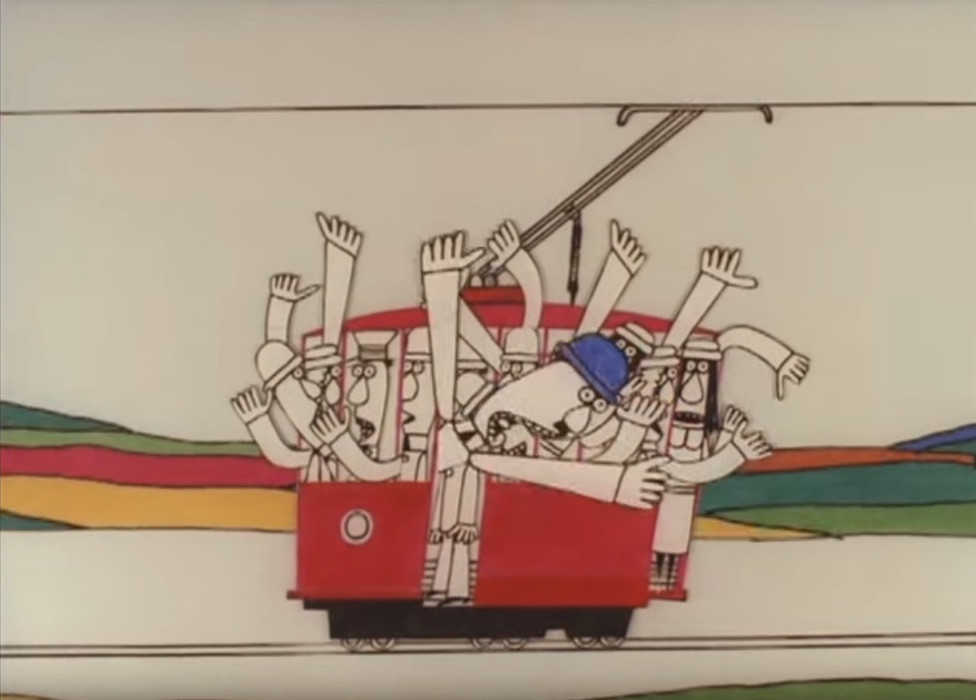
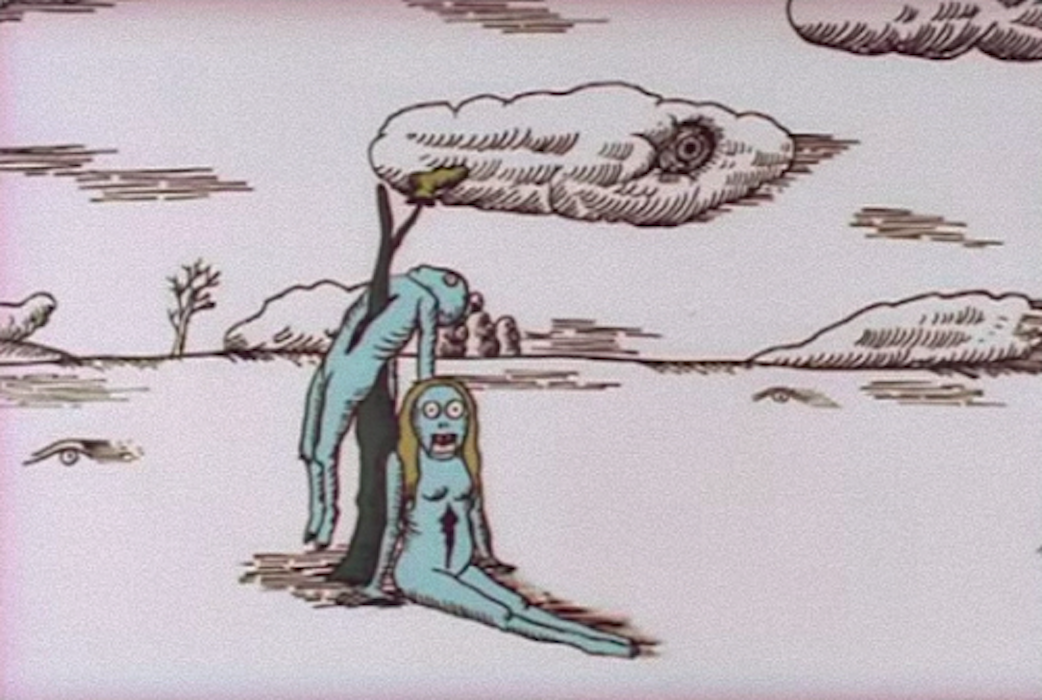
In 1960, he began his legacy with the short films such as "Two Fishes" and "Stamp Fantasy." Then, he continued to create throughout the late 60s into the 70s, his work becoming more and more striking to the eye. Archival films can be hard to find, as our curation has changed over the last few decades. Not to sound like someone's middle-aged father, but there weren't streaming services bringing content to you every week or phones to screenrecord. The established world of today may be able to entrap anything posted and published, but many forms of media were lost due to their time. Some filmmakers only getting the chance to show their work once before it became an IMDb title and nothing else.
Besides his books, many of Kuri's films were not attainable. Yet, in the late 2000s, people began to post many of Kuri's films on YouTube, allowing his creations to live on, educating future animators and filmmakers on experimentation. Attached below are just a sample of films that Kuri has created in his time. Hold on, Alice, you're about to fall down the rabbit hole.


In 5, 4, 3, 2— we present to you, Yoji Kuri.
Aos, created by Kuri in 1964 is a 9 minute film exploring humanism through ideals of sexual perversion and discomfort, as other viewers questioned the ASMR-like sounds of a woman orgasming and large tongues. Some have liked it, finding this to be the film that sparked the ignition to watch other Kuri films. If you're one to be intrigued by black and white imagery and human anatomy, this is the definitely the conjunction for you.
Yoji Kuri's "Flower" created in 1967, is 49 seconds of wonder as you watch it over and over for better understanding. To take it in a deeper context, this film can be perceived as when we try to control things that become bigger than us. And in this case, can kill you by suffocation. The one thing we haven't figured out were the small child bees roaming at the last three seconds of the film. Hmm.
"Manga" created by Kuri in 1977, was definitely influenced by the awakening of color in the 70s. Overall, this film is the epitome of Opposite Day as each short film hones in on atypical consequences. Such as: a woman knits a sweater out of the sun and once worn— she dies, a couple of men are trying to kill a rat and without thinking, they sink their own boat. Watching a Kuri film means opening your mind to the x amount of possibilities.
Yoji Kuri's "Love of Kemeko" was created in 1968 and happened to be one of the few films of Kuri's with an actual explanation. This film is about a small woman named Kemeko who is stalking a man constantly because of her undeniable love for him. This film didn't sit too high for film ratings.
To inspire— or, whatever, maybe you want to confuse others. To evoke emotion out of someone requires the bravery to no longer walk on eggshells. And what Yoji Kuri has proven in his years of filmmaking, especially during such a censored time, is that art can't be art if everyone likes it. Kuri has created a plethora of films made for conversations and heated debates about thematics, and he emphasizes the heart of gold that's in experimentation.

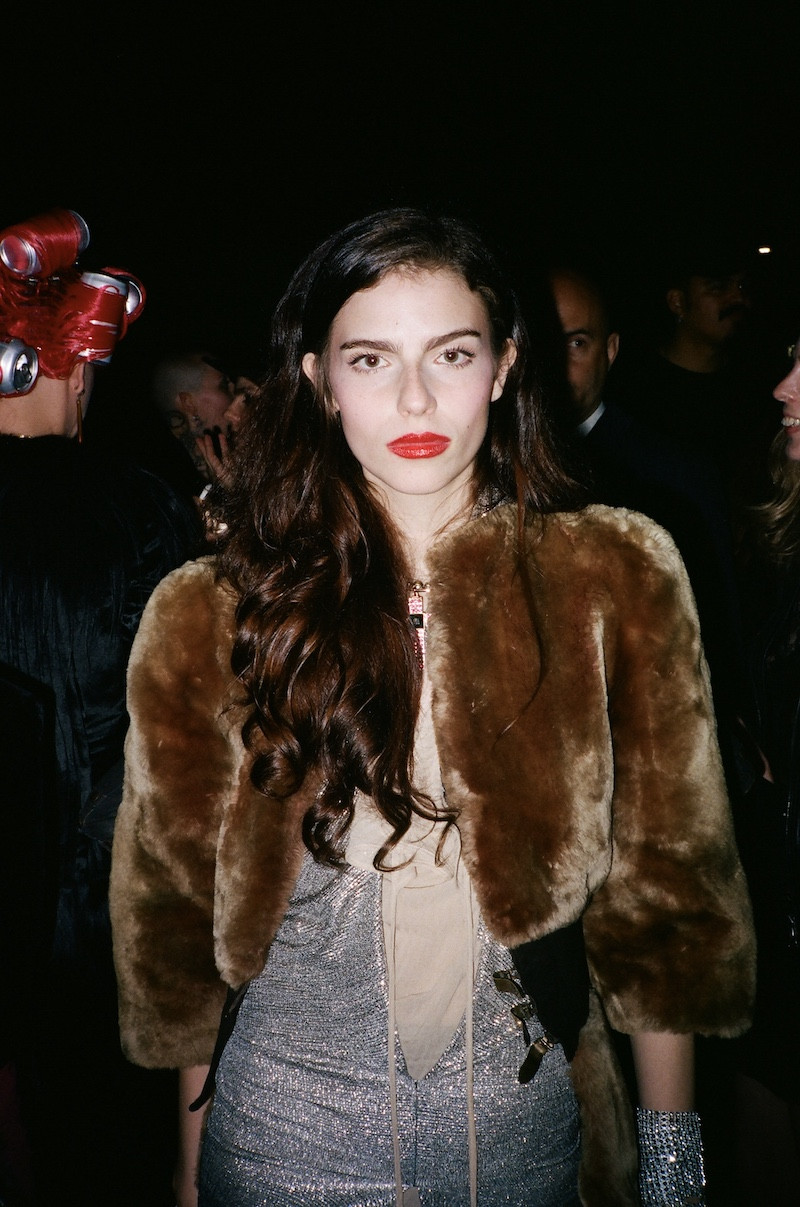
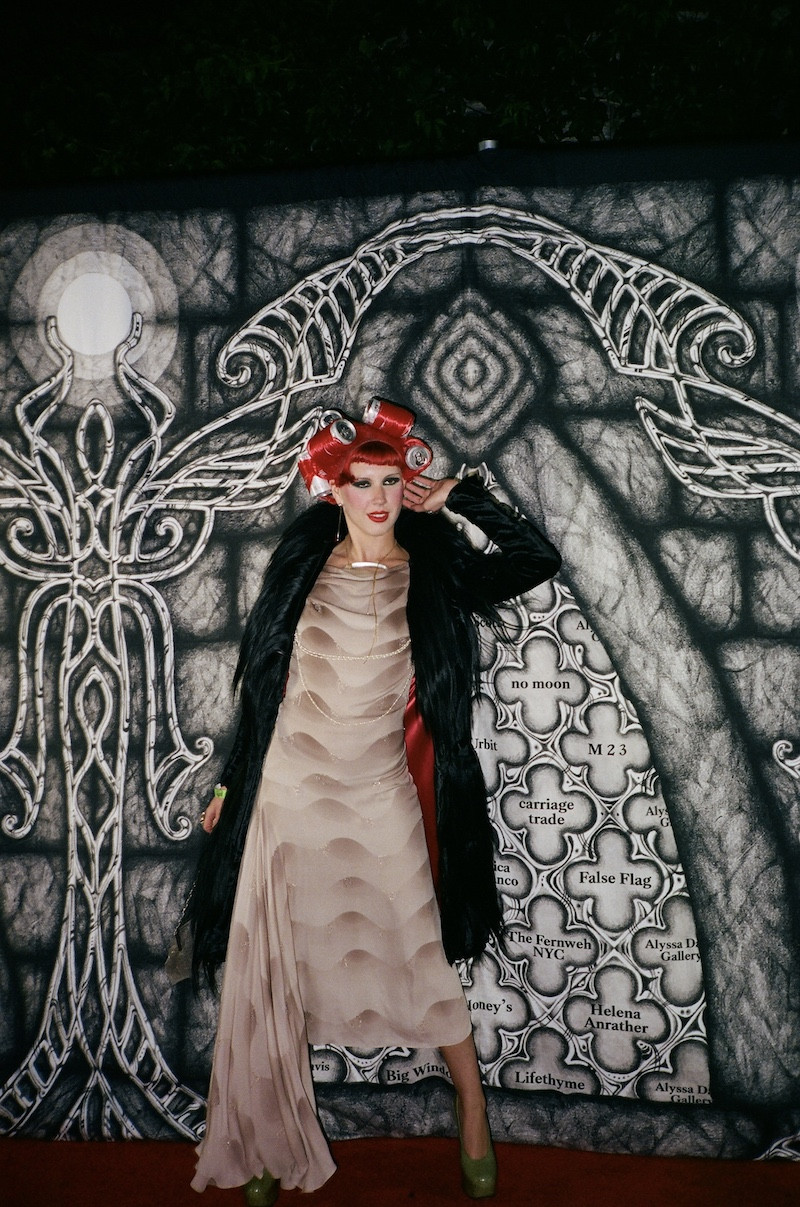
Those in attendance were aware of how special it was for such an event to take place with the social scene of the art world only recently recovering after Covid—additionally, after two years of art curation, distribution, and discussion taking place online, the newcomers and old souls of the art scene were able to come together and celebrate the future of art and participate in the Alyssa Davis Gallery’s experimental and inclusive approach at art auctioning. Perhaps this is a new beginning in bringing ceding control from the big auction houses and distributing it amongst those that are on the front lines in the art world.
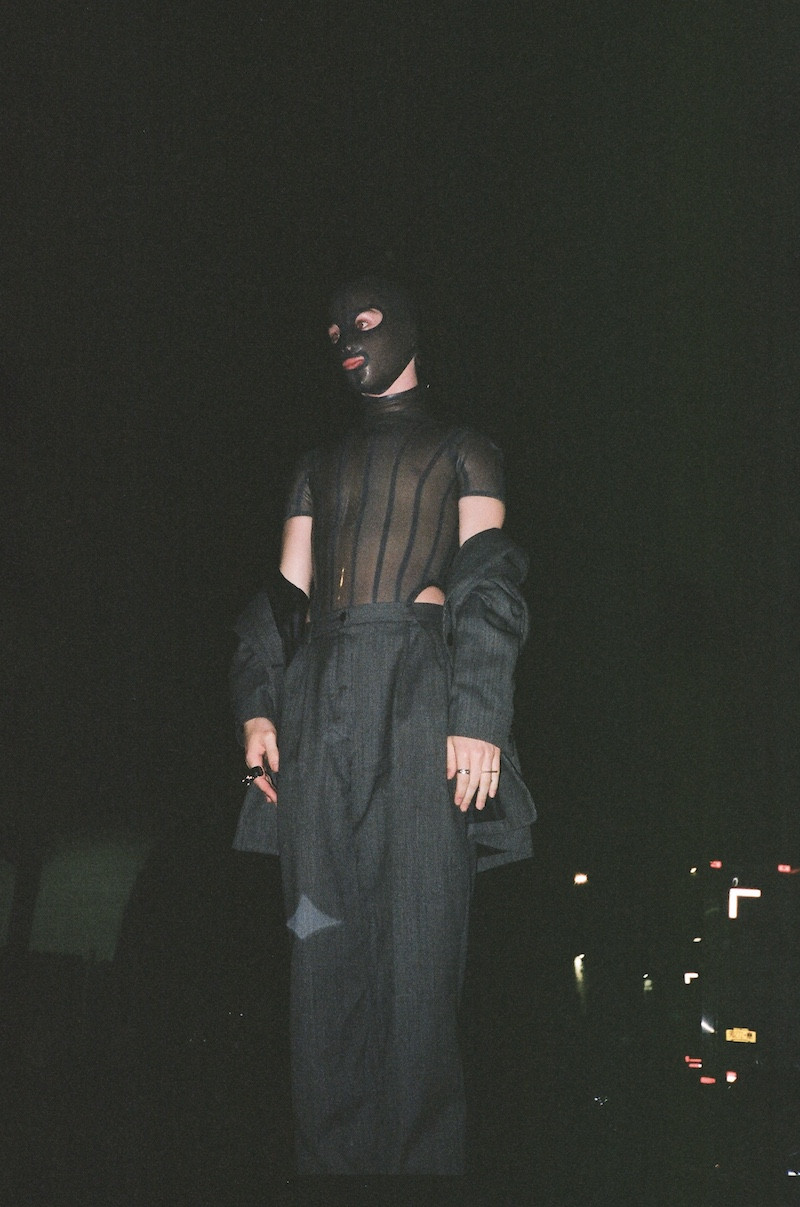
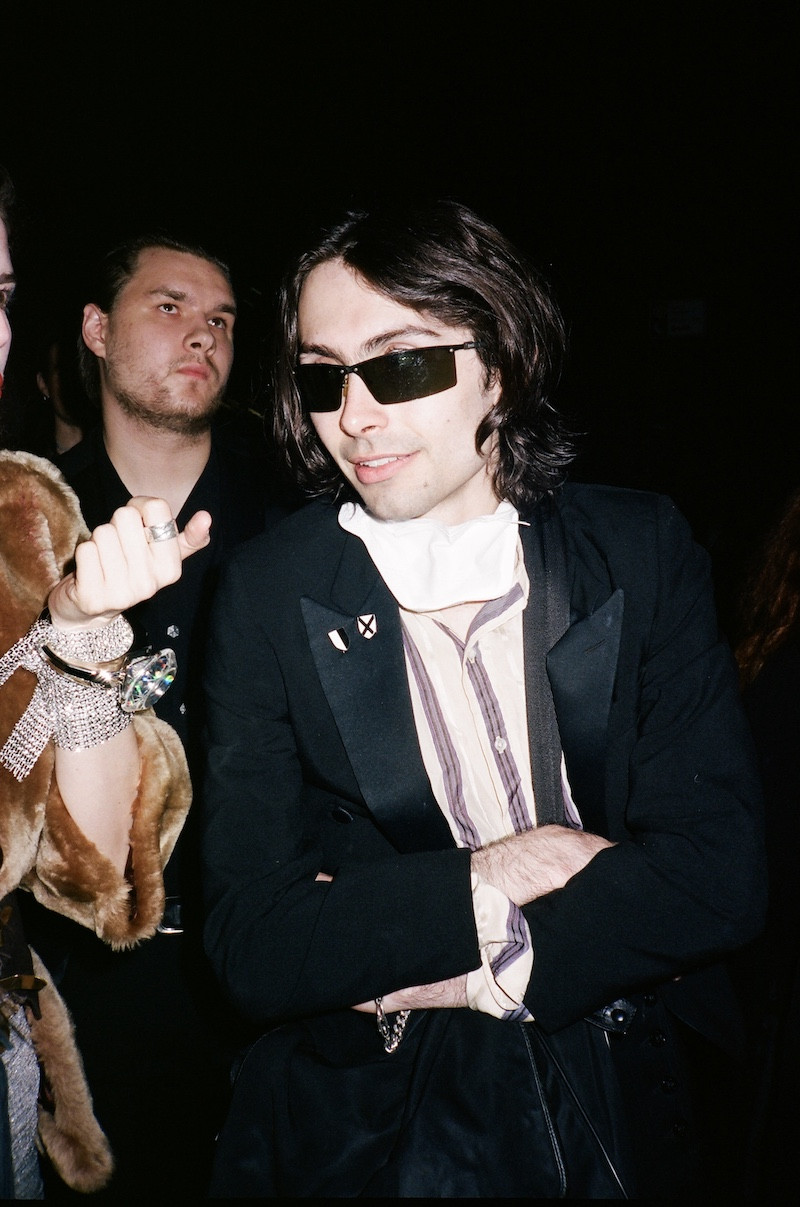
The same sorts of people that speak about the Met Gala with disdain and disappointment over celebrities’ yearly inability to follow a theme were able to show up in their best interpretation of the strict “film noir” dress code and they did not disappoint. Every single outfit showed not only care but a great desire to make the event as cohesively extravagant and aesthetically inspiring.